In a significant advancement for operational efficiency within the upstream oil and gas sector, PT Pertamina Hulu Energi Offshore Southeast Sumatra (PHE OSES) has successfully implemented a transformative digital solution known as the Marine Vessel Energy Logistics System (MARVEL). The initiative, which serves as an advanced evolution of the legacy SAMUDERA 1.0 application, has yielded substantial economic and operational dividends, resulting in a reduction of fuel consumption by 429,549 liters between January and September 2026. This optimization translates to a fiscal saving of approximately Rp9.03 billion, reinforcing the company’s commitment to operational excellence and cost-efficiency in a highly competitive global energy landscape.
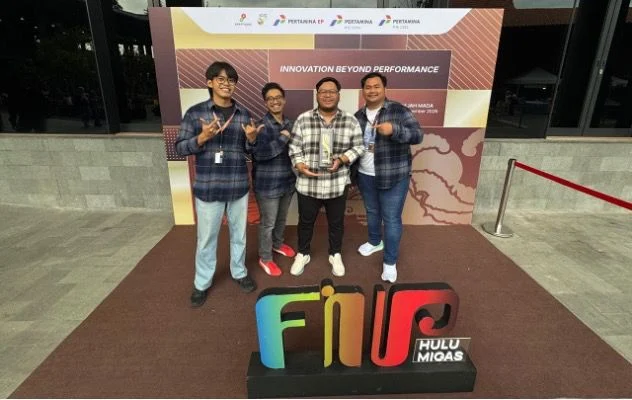
The success of the MARVEL system was formally recognized on the national stage when the PC Prove MARVEL team was awarded the prestigious Gold accolade at the Forum Inovasi Produksi (FIP) Hulu Migas 2026. Held in mid-November 2026 under the auspices of the Pertamina Regional Jawa Subholding Upstream, the forum serves as a critical platform for showcasing technological breakthroughs that improve productivity and safety across Indonesia’s oil and gas infrastructure.
The Genesis of MARVEL: Solving the Logistics Puzzle
The development of MARVEL was not merely an upgrade; it was a strategic response to the inherent complexities of managing bunker fuel logistics in the offshore environment. PHE OSES operates a vast fleet of support vessels essential for the maintenance and logistics of offshore platforms. Historically, the process of monitoring fuel transfers—or "bunkering"—was prone to discrepancies caused by human error, manual data entry, and the limitations of fragmented monitoring systems.
During the 2025 fiscal year, the operational data highlighted a clear need for systemic reform. Records indicated that PHE OSES managed 1,611 individual bunkering operations, involving a total throughput of 134.2 million liters of fuel. Within these operations, the company identified a persistent and problematic cumulative variance between flowmeter readings (the electronic measurement of fuel flow) and manual sounding (physical depth measurements of fuel tanks). This discrepancy amounted to 333,946 liters of fuel. Furthermore, internal audits revealed that 90 specific bunkering cases—representing 5.6% of the total operations—exceeded the standard 0.5% tolerance threshold for measurement variances.
Recognizing these inefficiencies, the technical team embarked on an intensive development phase to transform the SAMUDERA 1.0 platform into the more robust, comprehensive MARVEL ecosystem, often referred to as SAMUDERA 2.0.
Technical Architecture and Functionality
The MARVEL system functions as an integrated web and mobile-based platform that centralizes the entire lifecycle of fuel logistics. By transitioning away from manual record-keeping, the system provides a single source of truth for all stakeholders involved in the supply chain. The architecture of MARVEL is built upon seven core modules that streamline the administrative and operational workflow:
- Demand Planning: Automated forecasting tools that calculate fuel requirements based on vessel activity and engine specifications.
- Request Processing: A digital interface for submitting fuel bunker requests, eliminating the need for paper-based approvals.
- Operational Execution: Real-time tracking of the bunkering process as it occurs at sea.
- Data Validation: A crucial layer of the system that performs automated cross-checks between flowmeter data and manual sounding inputs.
- Stock Monitoring: A centralized dashboard that provides live visibility into fuel inventory across the entire fleet and storage facilities.
- Administrative Compliance: Automated generation of logs and reports for regulatory bodies and internal audit purposes.
- Invoicing and Financial Reconciliation: A module that links fuel consumption directly to procurement and financial systems, ensuring transparency in billing.
By incorporating real-time notifications, the system allows project managers to monitor schedules and alert field crews to potential anomalies, such as flow rate fluctuations, before they escalate into significant losses.
Official Perspectives and Team Achievement
The accolade bestowed upon the PC Prove MARVEL team at the FIP Hulu Migas 2026 underscores the organizational shift toward a "Digital-First" mentality within the Pertamina ecosystem. Speaking on behalf of the team during the post-award announcement on Friday, November 27, 2026, team leader Dicky Dandy Permana emphasized that the success was the result of cross-departmental collaboration.
"The development of this system was an iterative process driven by the need to integrate all bunker management functions into a single, transparent, and accurate platform," Permana stated. "By creating a digital ecosystem, we have not only reduced wastage but also improved the accountability of our supply chain. Our primary goal now is to work with the regional management to scale this technology to other operating areas within the Subholding Upstream, ensuring that the benefits of this innovation are felt across all of Pertamina’s maritime operations."
Industry analysts observe that the project exemplifies the "Lean" operational philosophy currently being adopted by major energy firms to mitigate inflationary pressures and environmental impacts. By reducing fuel wastage, PHE OSES is not only saving capital but also lowering the carbon footprint associated with excess fuel usage in the maritime sector.
Broader Implications for the Upstream Sector
The implications of the MARVEL system extend beyond the immediate fiscal savings of Rp9.03 billion. In the context of Indonesia’s national energy strategy, where the efficiency of the upstream sector directly impacts state revenue and operational viability, such innovations are vital.
The oil and gas industry in Indonesia has been under pressure to modernize aging infrastructure and optimize production costs. The success of the MARVEL system demonstrates that significant gains in productivity do not always require massive capital expenditure in new hardware. Instead, intelligent software solutions that optimize existing processes can yield a high return on investment (ROI).
Moreover, the integration of digital validation protocols effectively mitigates the risk of fuel theft or unauthorized usage—a common challenge in large-scale maritime logistics. By automating the reconciliation process, PHE OSES has created an audit trail that is virtually immune to the manipulation that often characterized legacy systems.
A Look Ahead: Scaling Digital Transformation
As the oil and gas industry moves toward the "Industry 4.0" standard, the experience of PHE OSES serves as a blueprint for other subsidiaries. The FIP Hulu Migas forum is expected to host further discussions on how the MARVEL framework can be adapted for other offshore environments, including different vessel classes or even disparate geographic locations where logistics remain a challenge.
The successful rollout of SAMUDERA 2.0 suggests that the future of energy logistics lies in the synthesis of human expertise and automated intelligence. As the company continues to refine its digital tools, the focus will likely shift toward incorporating predictive analytics, which could allow the system to anticipate fuel needs even more accurately, potentially reducing "dead-heading" or unnecessary trips for support vessels.
In conclusion, the recognition of the MARVEL project by the FIP Hulu Migas jury is a testament to the high caliber of technical talent within Pertamina. Through meticulous problem-solving and the application of digital innovation, the PHE OSES team has set a new benchmark for bunker fuel management. As the sector continues to navigate the complexities of global energy demand, such initiatives will remain at the forefront of the industry’s efforts to ensure sustainable, efficient, and transparent operations in the years to come. The trajectory of PHE OSES demonstrates that when digital tools are strategically aligned with operational goals, the results are both measurable and transformative for the entire energy value chain.