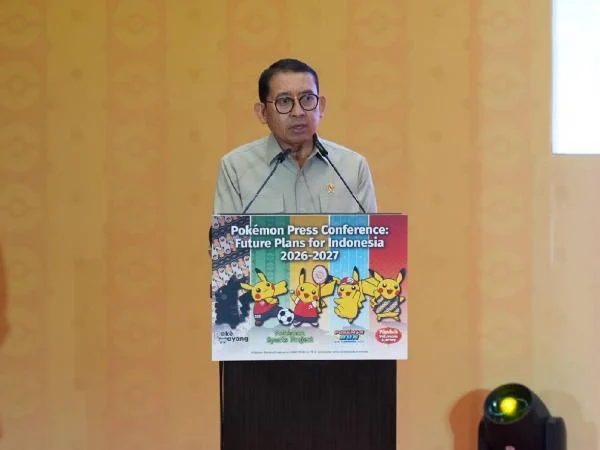
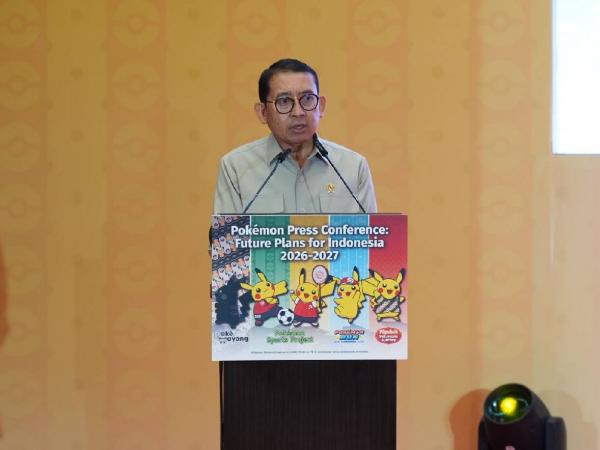
The Pokemon Company (TPC) has officially announced a strategic cultural partnership with Indonesia that will see the iconic Pokemon franchise integrate with the traditional Indonesian art of wayang. This ambitious collaboration, scheduled to unfold during the 2026-2027 fiscal year, aims to bridge the gap between contemporary digital entertainment and centuries-old shadow puppetry, serving as a cornerstone of TPC’s broader strategy to expand its footprint within the Southeast Asian archipelago.
The announcement, made by Indonesian Minister of Culture Fadli Zon during a press conference held in Jakarta on September 14, 2026, marks a significant milestone in cultural diplomacy. By leveraging the massive, global intellectual property (IP) of Pokemon—a franchise that has transcended its origins as a video game to become a multi-billion-dollar media empire—the Indonesian government intends to elevate the visibility of wayang, a traditional performance art recognized by UNESCO as a Masterpiece of Oral and Intangible Heritage of Humanity.
A Convergence of Two Worlds
The integration of Pokemon into the wayang medium represents a unique experiment in cross-cultural synthesis. Wayang, which typically utilizes intricate leather puppets to recount epic narratives from the Ramayana and Mahabharata, provides a sophisticated storytelling framework. By introducing Pokemon characters into this traditional format, the project seeks to revitalize interest in Indonesian heritage among younger generations while introducing foreign audiences to the aesthetic and philosophical depth of Javanese and Balinese puppetry.
Minister Fadli Zon emphasized the strategic importance of this partnership, noting that the initiative acts as a form of "cultural acculturation." The move is designed to move beyond mere merchandise, aiming instead to embed Indonesian cultural motifs into the global consciousness through one of the most recognizable brands in history. "We are looking at a symbiotic relationship," the Minister stated. "By merging the high-profile narrative power of Pokemon with the deep, storied tradition of wayang, we can ensure that our cultural identity remains relevant in an increasingly digital and globalized world."
Chronology of the Pokemon-Indonesia Initiative
The decision to collaborate on a wayang project did not occur in a vacuum; it is the culmination of years of targeted efforts by The Pokemon Company to deepen its engagement with the Indonesian market.
- 2023-2024: TPC began preliminary market research in Indonesia, observing a significant spike in interest regarding regional Pokemon events and competitive gaming tournaments.
- May 2025: The "Pokemon Asia Championship Series" was successfully hosted in Jakarta, proving that Indonesia possesses both the infrastructure and the fan base necessary for large-scale international gaming events.
- October 2025: Reports surfaced regarding "Pokemon Gen 10: Winds & Waves," a rumored upcoming game title allegedly inspired by the geography and mythology of Indonesia. This fueled speculation that TPC was preparing for a deeper, long-term commitment to the region.
- September 14, 2026: The official partnership between the Ministry of Culture and The Pokemon Company was formalized, setting the stage for the 2026-2027 fiscal year roll-out.
Strategic Objectives and the 30th Anniversary Context
This collaboration is timed to coincide with the broader international celebration of the 30th anniversary of the Pokemon franchise, which originated in Japan in 1996. For TPC, the 2026-2027 fiscal year represents a period of "localized globalization." The strategy involves identifying cultural pillars in key emerging markets and building bespoke content that respects local traditions while maintaining the universal appeal of the Pokemon brand.
In Indonesia, this entails more than just a marketing campaign. The project is expected to encompass a multi-faceted approach, including:
- Educational Outreach: Working with local dalangs (puppeteers) to create workshops that teach traditional wayang techniques using Pokemon-themed characters.
- Cultural Exhibitions: Large-scale events in major Indonesian cities that showcase the intersection of digital animation and physical puppet-making.
- Media Integration: Potential digital content or animated shorts that feature Pokemon characters performing within the structural constraints and stylistic nuances of a traditional wayang play.
Economic and Cultural Implications
The partnership carries significant implications for both the creative economy and cultural tourism in Indonesia. From an economic perspective, the involvement of a Japanese corporate giant like TPC can catalyze investment in the local creative industry, providing jobs for artists, designers, and event coordinators who are proficient in both traditional and modern digital media.
Furthermore, there is a clear "soft power" incentive. By positioning wayang alongside an internationally recognized brand, Indonesia is effectively rebranding a traditional art form as a contemporary, dynamic asset. This could lead to increased tourism interest, as international fans of the franchise may travel to Indonesia to experience these unique collaborative performances.
However, the initiative also faces challenges. Purists of the wayang tradition may raise concerns regarding the "commodification" of sacred or classical stories. Balancing the commercial interests of a global IP holder with the artistic integrity of an ancient cultural practice will require delicate negotiation and a commitment to authenticity. The Ministry of Culture has assured stakeholders that the project will be conducted under the guidance of cultural experts and master puppeteers to ensure that the essence of wayang is preserved even as it adopts new, modern aesthetics.
Market Analysis: Why Indonesia?
Indonesia represents one of the largest and youngest demographics in the world, with a burgeoning middle class that has shown a high propensity for consuming digital entertainment. The "Blue Print" for the upcoming generation of Pokemon games, which reportedly draws inspiration from the Indonesian archipelago’s vast landscapes, underscores the country’s growing importance in the eyes of multinational gaming corporations.

The success of the "Pokemon Asia Championship Series" in Jakarta served as a proof-of-concept for TPC. It demonstrated that Indonesian fans are not merely passive consumers of global content but are active participants in the community. This engagement level is critical for the success of a collaboration that relies on public reception and the willingness of local communities to embrace the fusion of the old and the new.
The Road Ahead: 2026-2027 and Beyond
As the 2026-2027 fiscal year approaches, all eyes will be on the execution of these initiatives. The Ministry of Culture has indicated that additional details regarding specific event dates, venues, and the scope of the wayang performances will be released in the coming months.
The partnership is also expected to influence other sectors. The gaming industry, in particular, will be watching closely to see if the "Winds & Waves" title effectively integrates Indonesian motifs into its gameplay mechanics. If successful, this could set a precedent for other global entertainment brands to explore similar collaborations with Indonesian cultural institutions, potentially sparking a trend of "cultural gamification."
Ultimately, the collaboration between Pokemon and Indonesian wayang is a testament to the evolving nature of global culture. It suggests that in the 21st century, the preservation of tradition is not achieved by isolating it in museums, but by inviting it into the modern conversation—even if that means sharing the stage with a pocket monster from the digital world. For Indonesia, this is a strategic move to ensure that its cultural heritage remains a living, breathing part of the global narrative for decades to come.
As the preparations continue, the collaboration serves as a reminder that the world of Pokemon, which has always been about discovery and connection, is now actively participating in the discovery and connection of world cultures, starting with the shadow-play tradition of the Indonesian archipelago. The outcome of this project will likely serve as a case study for how global IP holders can engage with indigenous cultures in a way that is mutually beneficial, respectful, and innovative.