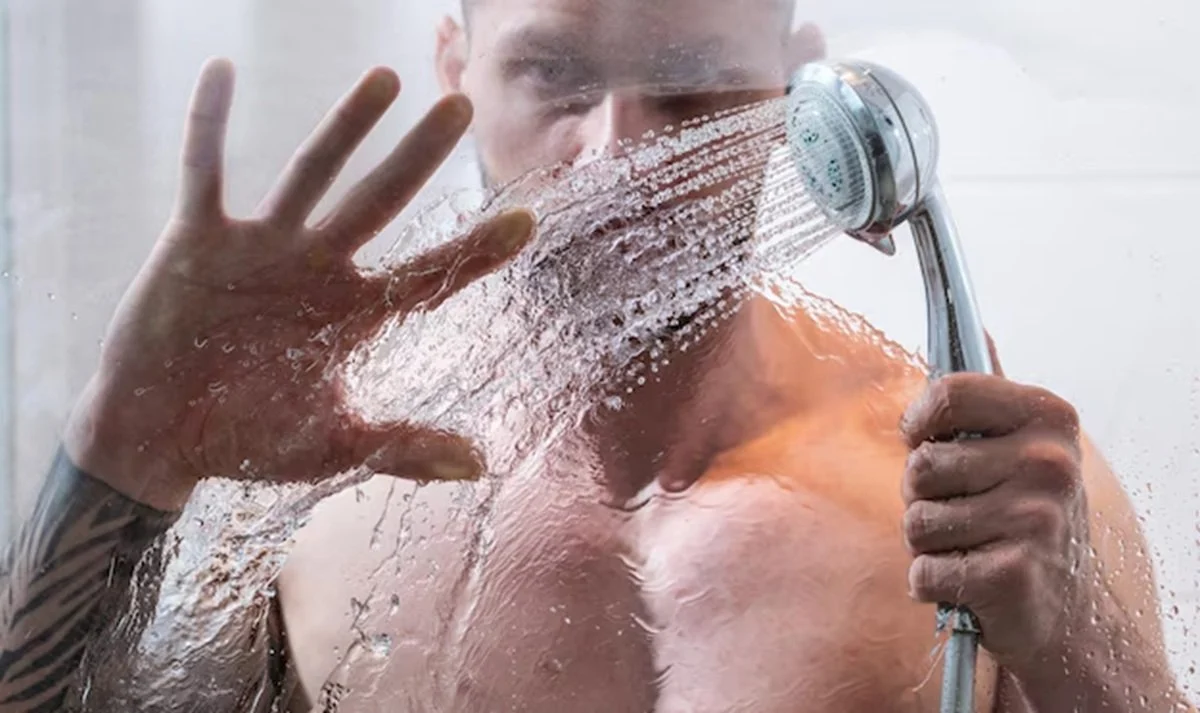
The seemingly innocuous habit of indulging in hot showers or prolonged hot water soaks may carry a hidden threat to male reproductive health, particularly concerning sperm quality. While a warm bath offers comfort and relaxation, medical experts are highlighting a potential negative impact on sperm production and viability, prompting a closer look at this common practice. This concern is rooted in the fundamental biological requirements for optimal sperm development, which necessitate a cooler temperature than the body’s core.
The Biological Imperative: Why Temperature Matters for Sperm
The production of sperm, a process known as spermatogenesis, is a highly temperature-sensitive biological function. The male reproductive organs, specifically the testes, are strategically located outside the abdominal cavity in the scrotum. This external placement is not accidental; it ensures that the testes maintain a temperature that is approximately 2 to 3 degrees Celsius lower than the core body temperature. This cooler environment is crucial for the efficient and healthy development of sperm.
Dr. Fajar Alam, a specialist in Obstetrics and Gynecology and a prominent health influencer, elaborated on this critical point in a recent social media post. He explained that the testes are meticulously designed by nature to function optimally at a reduced temperature. Therefore, frequent exposure to elevated temperatures, such as those experienced during regular hot baths, prolonged hot showers, or sauna sessions, can disrupt this delicate balance.
"The sperm factory, the testes, are designed by the Creator to be located outside the body," Dr. Fajar stated in his video. "The purpose of this is so they require a lower temperature than the body itself." This simple biological fact underscores the potential for heat to negatively impact sperm production.
The Mechanism of Damage: Heat’s Impact on Spermatogenesis
When the testes are exposed to prolonged heat, the rate of spermatogenesis can be significantly reduced. The heat stress can impair the function of the Sertoli cells, which are vital for nourishing and supporting developing sperm cells. Furthermore, elevated temperatures can lead to increased oxidative stress within the testes, damaging sperm DNA and reducing sperm motility and morphology.

Studies have consistently supported the link between heat exposure and reduced sperm quality. Research published in various reproductive health journals has indicated that even short periods of elevated scrotal temperature can have measurable effects on sperm parameters. For instance, a meta-analysis of several studies found that prolonged exposure to heat, such as from occupational hazards or certain lifestyle choices, was associated with a decrease in sperm concentration, total sperm count, and sperm motility.
While the exact duration and temperature thresholds that cause significant damage can vary among individuals, the general consensus among fertility experts is that consistent exposure to high temperatures is detrimental. This means that habitually taking very hot showers for extended periods or frequently engaging in activities like hot tub soaks or saunas could be contributing to a decline in male fertility over time.
Quantifying the Risk: What Constitutes "Frequent" and "Hot"?
Defining "frequent" and "hot" in this context is important for practical guidance. While a quick warm shower is unlikely to cause harm, prolonged immersion in water significantly above body temperature is the primary concern. Temperatures generally considered problematic for sperm production are those exceeding 35-37 degrees Celsius (95-99 degrees Fahrenheit) for extended periods.
Hot showers, particularly those that are very hot and last for more than 15-20 minutes, can elevate testicular temperature. Similarly, sitting in hot tubs or jacuzzis for extended durations, especially at higher temperature settings, poses a similar risk. The enclosed nature of a hot tub can trap heat, further exacerbating the issue.
The frequency of these exposures also plays a crucial role. Daily, long hot showers or frequent visits to saunas are more likely to lead to a cumulative negative effect on sperm quality compared to occasional indulgences. It’s the chronic, sustained elevation of scrotal temperature that poses the greatest threat.
Beyond Hot Showers: Other Heat-Related Risks to Sperm Health
The concern over hot water soaks is part of a broader understanding of how environmental and lifestyle factors can influence male fertility. Several other common practices and exposures have been identified as potential risks to sperm health due to their heat-generating properties:

- Saunas and Steam Rooms: Regular use of saunas and steam rooms, which involve prolonged exposure to high temperatures, is strongly linked to decreased sperm count and motility. Studies have shown that sperm quality can begin to recover after heat exposure ceases, but it can take several weeks to months for full recovery.
- Laptop Use on the Lap: Placing a laptop directly on the lap for extended periods can elevate scrotal temperature. The heat generated by the device, combined with the insulating effect of clothing and the proximity to the body, can create a warmer environment for the testes.
- Tight Underwear and Clothing: While less impactful than direct heat immersion, wearing excessively tight underwear or tight trousers can restrict airflow and potentially increase scrotal temperature slightly.
- Prolonged Sitting: Occupations or activities that involve prolonged sitting, such as long-haul truck driving or desk jobs without regular breaks, can also contribute to a slight increase in scrotal temperature due to reduced circulation and trapped heat.
- Fever: Experiencing a high fever due to illness can also temporarily impair sperm production. The body’s core temperature rises significantly during a fever, impacting the testes. Recovery of sperm production after a fever can take several weeks.
Expert Recommendations for Maintaining Sperm Health
Given the potential risks, health professionals offer practical advice for men looking to optimize their reproductive health:
- Moderate Shower and Bath Temperatures: Opt for lukewarm or warm water for showers and baths rather than excessively hot water. If a hot bath is desired, keep the duration relatively short.
- Limit Sauna and Hot Tub Use: Reduce the frequency and duration of visits to saunas, steam rooms, and hot tubs.
- Avoid Laptops on the Lap: If working with a laptop for extended periods, use a desk or a lap desk to keep it elevated from your lap.
- Choose Comfortable Underwear: Opt for breathable fabrics and looser-fitting underwear, such as boxer briefs or boxers, which allow for better air circulation.
- Take Regular Breaks: If your work involves prolonged sitting, make an effort to stand up, walk around, and stretch every 30-60 minutes.
- Maintain a Healthy Lifestyle: A balanced diet, regular exercise, adequate sleep, and stress management all contribute to overall health, including reproductive health.
- Avoid Smoking and Excessive Alcohol: These habits are known to negatively impact sperm quality.
Broader Implications for Male Fertility and Public Health
The growing awareness of factors affecting sperm quality has significant implications for public health and individual reproductive choices. Declining sperm counts and quality have been observed in many parts of the world over the past few decades, prompting widespread concern among fertility experts and public health officials. While the causes are likely multifactorial, encompassing environmental toxins, lifestyle changes, and genetics, understanding and mitigating modifiable risk factors like heat exposure is crucial.
For individuals or couples experiencing difficulties conceiving, a thorough evaluation by a fertility specialist is recommended. This evaluation may include semen analysis to assess sperm count, motility, and morphology. Based on the results, lifestyle modifications, including adjustments to bathing habits, can be a part of a comprehensive fertility treatment plan.
The information shared by health professionals like Dr. Fajar Alam serves as a valuable reminder that seemingly minor daily habits can have a cumulative impact on our health. By understanding the biological principles at play and adopting simple preventive measures, men can take proactive steps to safeguard their reproductive well-being and contribute to overall health. The comfort of a hot shower should not come at the expense of long-term fertility, and with informed choices, both can be achieved.