
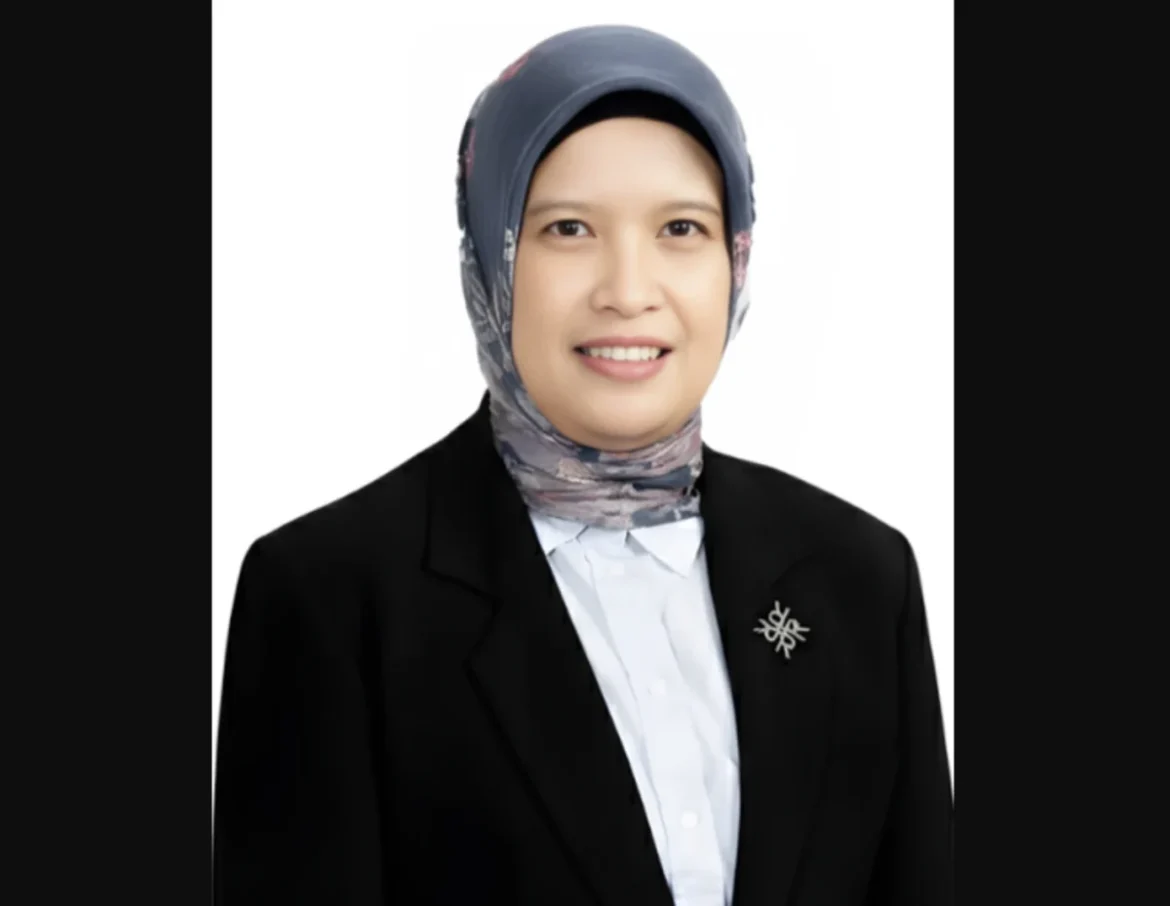
The integrity of Indonesia’s correctional system has once again been cast into the spotlight following a high-profile inspection by the Ombudsman of the Republic of Indonesia at the Class IIA Penitentiary in Cibinong, West Java. At the heart of this investigation is Syafrida Rachmawati Rasahan, a prominent member of the Ombudsman, whose recent oversight activities have uncovered significant irregularities within the prison facility. The discovery of private, "homestay-style" structures built within the prison grounds has sparked a national dialogue regarding the equitable treatment of inmates and the pervasive issue of facility inequality behind bars.
The Cibinong Inspection: A Chronology of Discovery
The inspection, conducted on Wednesday, September 23, 2026, was part of a broader mandate by the Ombudsman to ensure that public services—including those provided by the Directorate General of Corrections—adhere to the principles of fairness, transparency, and non-discrimination.
According to official reports, the arrival of the Ombudsman team at the Cibinong facility was met with immediate resistance. Upon their arrival, the inspection team was reportedly denied access to the primary residential blocks where the general prison population is housed. This lack of transparency, a violation of the administrative procedures governing the relationship between the Ombudsman and state institutions, necessitated a shift in the inspection strategy.
While barred from entering the main cell blocks, the Ombudsman team conducted a perimeter search of the facility’s auxiliary areas. It was during this secondary inspection that investigators discovered several structures that defied standard correctional facility architectural norms. These buildings, which resembled private residences or luxury homestays, were equipped with amenities inconsistent with standard inmate accommodation. These findings strongly suggested the existence of "special treatment" areas reserved for specific inmates, a practice strictly prohibited by the Indonesian Law on Corrections.
Syafrida Rachmawati Rasahan: A Profile of Public Oversight
Syafrida Rachmawati Rasahan, S.H., M.H., has become a focal point of this investigation due to her decisive leadership during the Cibinong operation. Her professional trajectory reflects a deep-seated commitment to the principles of institutional accountability and administrative justice.
Born in Dabo Singkep, Riau Islands, Syafrida’s educational foundation is rooted in law. She earned her undergraduate degree in Law before pursuing a Master of Law degree at the Islamic University of North Sumatra. Her career is characterized by extensive experience in the high-stakes environment of election oversight, a role that requires impartiality, rigor, and the ability to navigate complex political landscapes.
Prior to her appointment as an Ombudsman member, Syafrida served two consecutive terms as the Chairperson of the Election Supervisory Body (Bawaslu) for the North Sumatra Province, covering the periods of 2013–2018 and 2018–2023. Her tenure at Bawaslu was marked by a focus on enforcing electoral integrity, a skillset that has directly translated into her current role as an oversight authority. Her expertise in monitoring government performance and identifying procedural deviations made her a key figure in the Ombudsman’s investigation into the Cibinong facility.
Contextualizing the Crisis: Facility Inequality in Indonesian Prisons
The findings at the Cibinong penitentiary are not an isolated incident but rather a symptom of a systemic challenge facing the Indonesian correctional system. The practice of creating "special facilities" for certain inmates—often referred to as sel mewah or luxury cells—has historically undermined the credibility of the judicial system.
According to data from the Ministry of Law and Human Rights, Indonesia’s prisons currently face severe overcrowding, with many facilities operating at double or triple their intended capacity. This disparity creates a vacuum in which illegal practices can thrive. When inmates with financial influence or political connections can bypass the standard conditions of incarceration, the foundational principle that "all citizens are equal before the law" is compromised.
The Ombudsman’s role, as defined by Law Number 37 of 2008, is to receive and investigate reports of maladministration by public officials. The presence of private structures within a state-managed facility represents a clear case of potential maladministration, as it indicates a failure to enforce uniform standards of punishment and rehabilitation.
Official Responses and Procedural Implications
In the aftermath of the September 23 inspection, Syafrida Rachmawati Rasahan and her colleagues held a press conference to detail their findings. The Ombudsman has signaled its intent to conduct a comprehensive audit of the facility’s management and the oversight mechanisms employed by the local office of the Ministry of Law and Human Rights.
While the Directorate General of Corrections has historically maintained that all inmates are subject to the same regulations, the Ombudsman’s physical evidence complicates this narrative. The discovery of these structures necessitates a formal inquiry into:
- The approval process for the construction of these buildings.
- The financial sources used to fund the construction and maintenance of these private areas.
- The identity of the individuals who were granted access to these facilities and the criteria used to determine such access.
Legal experts have noted that if the Ombudsman finds evidence of corruption or bribery in the allocation of these facilities, the case will likely be referred to the Corruption Eradication Commission (KPK) or the National Police for criminal investigation.
Broader Impact: Restoring Public Trust
The incident in Cibinong serves as a critical test for the Ombudsman’s ability to influence policy changes within the government. By shedding light on the "homestay-style" facilities, Syafrida and her team are challenging the entrenched culture of privilege within the prison system.
The broader implications of this inspection are twofold. First, it places pressure on the Ministry of Law and Human Rights to initiate immediate reforms, including the potential demolition of unauthorized structures and a review of the prison administration’s internal controls. Second, it reaffirms the importance of the Ombudsman as a watchdog capable of conducting unannounced inspections, thereby keeping public officials on guard against complacency and misconduct.
For the public, these findings underscore the necessity of sustained oversight. Without the persistent investigative efforts of figures like Syafrida Rachmawati Rasahan, such anomalies in the prison system would likely remain shielded from public scrutiny. As the investigation progresses, the Ombudsman is expected to issue a formal recommendation for corrective action, which the government is legally obligated to address.
The Path Forward: Reform and Accountability
As the Ombudsman continues its probe into the Cibinong facility, the focus will remain on the accountability of the Warden and the regional administrators responsible for overseeing the prison’s daily operations. The incident has already prompted calls from legal observers for a nationwide audit of all Class IIA and Class I facilities to ensure that no similar "special treatment" zones exist elsewhere.
The work led by Syafrida Rachmawati Rasahan highlights the critical intersection between legal expertise and administrative oversight. By navigating the friction caused by the facility’s initial resistance to the inspection, the Ombudsman has proven that transparency remains the most effective tool for governance. As the Indonesian correctional system looks toward modernization, the removal of systemic inequalities—including the physical manifestations of privilege—will be a mandatory step in restoring public confidence in the judicial and penal processes.
The outcome of this investigation will serve as a bellwether for the future of administrative oversight in Indonesia. If the findings lead to concrete policy shifts, it will demonstrate that institutional integrity can be protected, regardless of the status or influence of those who attempt to bypass the law. Syafrida and her colleagues at the Ombudsman have set a clear precedent: the doors of public institutions must be open to inspection, and the conditions within them must reflect the equality that the law demands.

