
Jakarta, Indonesia – In a significant reaffirmation of its dedication to fostering the intellectual growth and holistic development of the nation’s youth, PT Asuransi Kredit Indonesia (Persero), commonly known as Askrindo, launched a comprehensive educational initiative across Indonesia to commemorate National Children’s Day (HAN) in 2026. This ambitious program, executed under the umbrella of Askrindo’s robust Corporate Social and Environmental Responsibility (TJSL) framework, leveraged a fleet of 25 ‘Mobil Pintar’ (MoPi), or Smart Mobile Units, simultaneously deployed from the westernmost reaches of Sabang to the eastern frontiers of Merauke. The initiative underscores Askrindo’s unwavering commitment to enhancing educational accessibility and quality for Indonesian children, recognizing them as the "Golden Generation" and the bedrock of the nation’s future.
A Nationwide Educational Outreach for National Children’s Day 2026
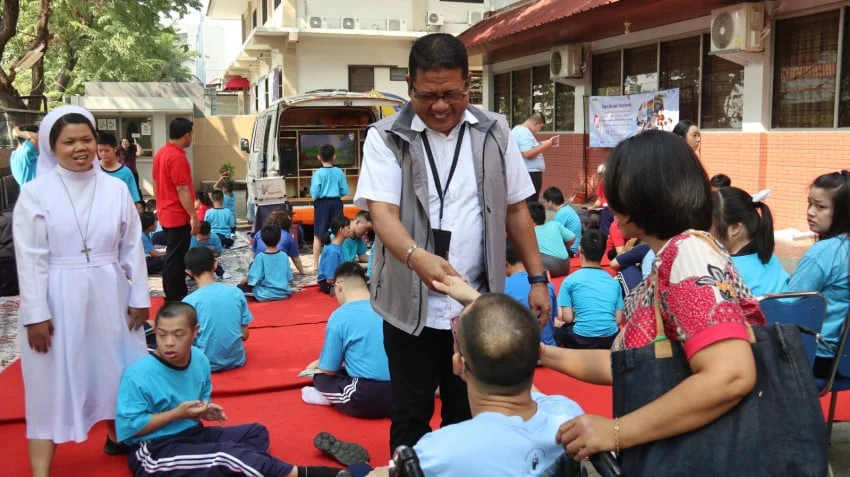
The National Children’s Day (HAN), observed annually in Indonesia, serves as a crucial platform to raise awareness about children’s rights and welfare, celebrating their potential and advocating for their protection. For 2026, Askrindo seized this pivotal moment to amplify its impact on the ground. The program, themed "Sayang Anak, Lindungi dan Bangun Masa Depan" (Love Children, Protect and Build the Future), was meticulously designed to address critical educational disparities. Through a strategic synergy with Paud Inspirasi Indonesia, a non-profit organization focused on early childhood education, the MoPi units were deployed to reach a broad spectrum of children, from early childhood learners to those of school age. A particular emphasis was placed on targeting schools, learning communities, and remote regions that historically suffer from limited access to adequate educational facilities and resources. This targeted approach ensured that vulnerable groups, including children with special needs (Anak Berkebutuhan Khusus – ABK), received inclusive and equitable learning opportunities.
M Fankar Umran, the President Director of Askrindo, articulated the profound philosophy underpinning this initiative. He stressed that every child, irrespective of their background or capabilities, possesses an inherent right to a quality education. "Children are the Golden Generation and the future of our nation. Askrindo continuously strives to provide access to literacy and optimal growth and development opportunities for them," Fankar stated. He further elaborated on the company’s vision, highlighting the strategic importance of such interventions: "This National Children’s Day commemoration serves as a crucial momentum for Askrindo to continually affirm the company’s commitment to supporting the fulfillment of Indonesian children’s rights. Through the Mobil Pintar, we are present directly within communities to expand access to education that is engaging, inclusive, and equitable. Without regard to background or geographical limitations, every child deserves the opportunity to learn and a safe, inspiring space to grow."
The ‘Mobil Pintar’ Program: Bridging Gaps Through Mobile Learning
The ‘Mobil Pintar’ initiative is a testament to innovative approaches in overcoming educational barriers prevalent in archipelagic nations like Indonesia. Each of the 25 MoPi units is more than just a vehicle; it is a mobile learning hub, equipped with a diverse array of educational resources. These typically include a mini-library stocked with age-appropriate books, interactive learning modules, educational games, art and craft supplies, and often, digital learning tools such as tablets or laptops with educational software. Facilitators, specially trained by Paud Inspirasi Indonesia, accompany these units, providing direct instruction, guiding activities, and fostering a stimulating learning environment. The activities conducted are multifaceted, ranging from storytelling sessions that cultivate imagination and language skills, creative workshops to encourage artistic expression, basic literacy and numeracy programs, to introductory digital literacy lessons. Some units also incorporate elements of health education, environmental awareness, and character building, promoting a holistic development approach.
The scale of this deployment, from Sabang to Merauke, underscores the geographical challenges in providing equitable education across Indonesia’s vast archipelago. Many remote islands and isolated villages lack permanent school buildings, qualified teachers, or even basic learning materials. The MoPi units serve as a vital lifeline, bringing educational opportunities directly to communities that would otherwise be left behind. This model of mobile education has proven effective in reaching marginalized populations, breaking down geographical barriers, and providing flexible learning solutions that complement formal schooling.
Background Context: National Children’s Day and Askrindo’s TJSL Philosophy
National Children’s Day in Indonesia, formally known as Hari Anak Nasional (HAN), is observed every July 23rd. It was established by Presidential Decree No. 44 of 1984 and is rooted in the principles of the United Nations Convention on the Rights of the Child, to which Indonesia is a signatory. The day serves as a national reminder of the government’s, parents’, and society’s collective responsibility to protect and nurture children, ensuring their rights to survival, development, protection, and participation are met. The theme for HAN 2026, "Sayang Anak, Lindungi dan Bangun Masa Depan," is particularly poignant, reflecting a comprehensive vision for child welfare that encompasses emotional support ("Sayang Anak"), physical and psychological safety ("Lindungi"), and future-oriented development ("Bangun Masa Depan").
Askrindo’s involvement through its TJSL program is a strategic alignment with its broader corporate values and national development goals. As a state-owned enterprise (BUMN), Askrindo is mandated not only to pursue commercial objectives but also to contribute positively to society and the environment. Its TJSL framework is structured around key pillars, including education, health, economic empowerment, and environmental sustainability. Investing in education, particularly for children, is recognized as a fundamental driver for long-term national progress, directly contributing to the Sustainable Development Goals (SDGs), especially SDG 4 (Quality Education) and SDG 10 (Reduced Inequalities). For Askrindo, the MoPi initiative is not merely a philanthropic gesture but an integral part of its corporate citizenship strategy, aiming to build a more educated, skilled, and resilient future workforce for Indonesia.
The State of Indonesian Education: Challenges and Opportunities
Indonesia, with its immense population and diverse geography, faces multifaceted challenges in its education sector. Despite significant progress in increasing school enrollment rates over the past decades, disparities persist. According to data from the Ministry of Education and Culture and various NGOs, issues include:
- Geographical Disparity: Access to quality education remains highly unequal between urban and rural areas, and particularly between western and eastern Indonesia. Remote regions often lack adequate infrastructure, teaching staff, and learning resources.
- Teacher Quality and Distribution: While efforts are underway to improve teacher training, a shortage of qualified educators, especially in specialized fields and remote areas, remains a concern.
- Digital Divide: A significant portion of Indonesian children, especially in rural and low-income households, lack access to digital devices and reliable internet connectivity, exacerbating learning gaps in an increasingly digital world.
- Inclusive Education for Children with Special Needs (ABK): Despite policy frameworks promoting inclusive education, implementation remains challenging. Many schools lack the necessary facilities, trained personnel, and adapted curricula to effectively support ABK. Estimates suggest that a substantial number of ABK are still out of school or in segregated settings, highlighting the need for more targeted interventions.
- Early Childhood Education (PAUD): While PAUD participation has grown, ensuring universal access and quality remains a priority, as early learning experiences are critical for cognitive and social development.
The ‘Mobil Pintar’ program directly addresses several of these challenges by bringing resources to underserved areas, providing engaging learning experiences that can supplement formal schooling, and explicitly including ABK in its outreach, thus promoting a more inclusive educational environment.
Chronology of Implementation and Future Outlook
The genesis of the HAN 2026 ‘Mobil Pintar’ program likely involved months of meticulous planning and coordination. The timeline would have encompassed:
- Conceptualization and Partnership Formation (Late 2025 – Early 2026): Askrindo’s TJSL department would have conceptualized the initiative, identifying the need for a nationwide impact on HAN 2026. This phase would include securing the partnership with Paud Inspirasi Indonesia, leveraging their expertise in child education and community engagement.
- Resource Allocation and Logistics (Early 2026): Procurement, customization, and equipping of the 25 MoPi units, ensuring they were fit for purpose and capable of operating in diverse geographical conditions. This would also involve logistical planning for the deployment of these units across thousands of kilometers.
- Curriculum Development and Facilitator Training (Spring 2026): In collaboration with Paud Inspirasi Indonesia, developing engaging and age-appropriate educational content. Simultaneously, recruiting and intensively training facilitators who would operate the MoPi units, equipping them with pedagogical skills, child protection protocols, and local cultural sensitivities.
- Pre-Event Community Engagement (Weeks leading up to HAN): Local Askrindo branches and Paud Inspirasi Indonesia teams would have engaged with target communities, schools, and local authorities to announce the arrival of MoPi, ensuring maximum participation and local buy-in.
- National Children’s Day 2026 Launch (July 23, 2026): The simultaneous deployment and activation of all 25 MoPi units across the archipelago, marking the official launch of the program and the celebration of HAN 2026. Activities would have run throughout the day in various locations, reaching thousands of children.
- Post-Launch Sustained Operations: The statement implies that the MoPi units are not merely for a one-day event but represent an ongoing commitment. Following HAN, the units would continue to operate on a scheduled basis, rotating through different communities and schools, ensuring sustained impact and continuous learning opportunities.
- Monitoring, Evaluation, and Reporting: Askrindo, in conjunction with its partners, would establish mechanisms for monitoring the program’s effectiveness, gathering feedback from communities, and evaluating its long-term impact on literacy rates, school attendance, and overall child development. This data would inform future iterations and expansions of the program.
Statements from Related Parties (Inferred)
While the original article only provides a statement from Askrindo’s CEO, the scope and nature of the program would logically elicit responses from various stakeholders:
- Ministry of Education, Culture, Research, and Technology Representative: "We commend Askrindo for this exemplary initiative. The ‘Mobil Pintar’ program perfectly aligns with the Ministry’s vision for equitable and inclusive education across Indonesia. Public-private partnerships, especially those reaching remote and underserved areas, are vital in achieving our national educational goals and ensuring that no child is left behind. This initiative demonstrates the powerful impact of corporate social responsibility when strategically focused on critical societal needs."
- Representative from Paud Inspirasi Indonesia: "Our collaboration with Askrindo on the ‘Mobil Pintar’ project has been incredibly fruitful. We believe in the power of play-based learning and bringing education directly to where children are. Our facilitators are passionately committed to creating engaging and safe learning spaces, especially for children who face significant barriers to education, including those with special needs. This program is a beacon of hope, showing that innovative solutions can bridge even the widest educational gaps."
- Local Community Leader (e.g., from a remote village in Eastern Indonesia): "For years, our children have struggled with limited access to books and learning tools. When the ‘Mobil Pintar’ arrived, it brought not just books, but also excitement and new possibilities. Our children are now more eager to learn, and parents are grateful for this opportunity. It shows that even though we are far away, we are not forgotten."
- Parent from a targeted community: "My child, who has a learning disability, often feels left out in traditional school settings. But with the ‘Mobil Pintar,’ the facilitators were so patient and understanding. My child felt included and happy to learn. This program gives children like mine a real chance."
Broader Impact and Implications
Askrindo’s ‘Mobil Pintar’ initiative on National Children’s Day 2026 carries significant broader implications:
- Human Capital Development: By investing in early and accessible education, Askrindo is directly contributing to the development of Indonesia’s future human capital. A well-educated populace is more productive, innovative, and resilient, which is crucial for sustained economic growth and social stability.
- Poverty Reduction: Education is a powerful tool for breaking cycles of poverty. By providing foundational literacy and numeracy skills, as well as critical thinking abilities, the program empowers children to pursue further education and better economic opportunities in the future.
- Inclusive Society: The explicit focus on children with special needs (ABK) and remote communities reinforces the commitment to building a more inclusive society where every individual has the chance to thrive. This aligns with national efforts to promote diversity and equity.
- Model for Corporate Social Responsibility: Askrindo’s comprehensive and large-scale approach sets a benchmark for other state-owned enterprises and private corporations in Indonesia. It demonstrates how TJSL programs can move beyond token gestures to create tangible, widespread, and sustainable impact. This could inspire more companies to adopt similar strategic and impactful CSR initiatives.
- Sustainable Development Goals (SDGs) Contribution: The program directly contributes to SDG 4 (Quality Education), particularly targets 4.1 (free, equitable and quality primary and secondary education), 4.2 (access to quality early childhood development), and 4.5 (eliminate gender disparities in education and ensure equal access for the vulnerable). It also supports SDG 10 (Reduced Inequalities) by targeting marginalized communities.
- Strengthening National Identity and Unity: By deploying units from Sabang to Merauke, the program subtly reinforces the concept of a unified Indonesia, ensuring that children across the vast archipelago feel connected and valued as part of the national fabric.
In conclusion, Askrindo’s ‘Mobil Pintar’ initiative for National Children’s Day 2026 stands as a powerful demonstration of corporate commitment to social progress. By leveraging innovation and strategic partnerships, the program extends the reach of quality education to the most deserving and often overlooked segments of Indonesian society. It is an investment not just in books and learning tools, but in the dreams and potential of the nation’s children, ensuring they are well-equipped to build a brighter and more equitable future for Indonesia.
