
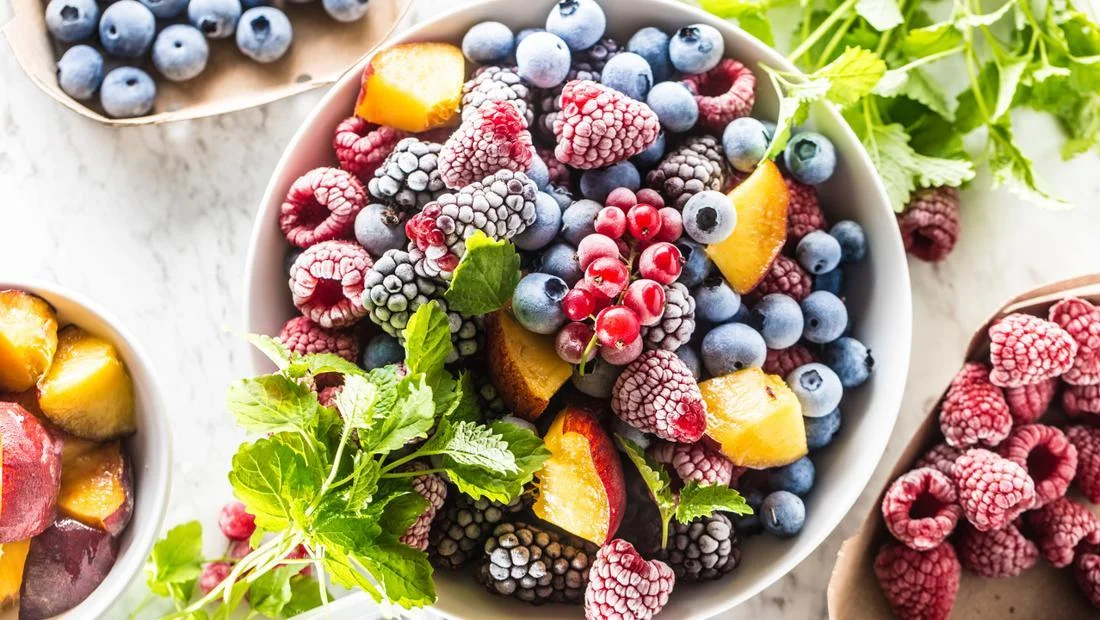
The convenience of frozen fruits and vegetables has solidified their status as a staple in modern households, offering a time-saving solution for busy individuals seeking to maintain a balanced diet. With global food distribution chains becoming increasingly complex, frozen produce serves as an essential bridge, allowing consumers to access seasonal nutrients year-round. However, the nutritional integrity of these products is not guaranteed solely by their "frozen" label. Misconceptions regarding processing methods, combined with poor purchasing habits, can inadvertently transform a healthy vegetable side dish into a source of excess calories, sodium, and refined sugars. As public health initiatives continue to push for increased consumption of plant-based foods, understanding the nuances of frozen food procurement has become a matter of dietary literacy.
The Nutritional Reality of Frozen Produce
To understand why specific purchasing mistakes undermine nutrition, one must first recognize the industry standard for frozen produce. Contrary to the lingering myth that "fresh is always best," modern flash-freezing technology—often referred to as Individual Quick Freezing (IQF)—is designed to preserve vitamins and minerals at their peak. When produce is harvested, it is typically blanched and frozen within hours. This rapid cooling process halts enzymatic degradation, effectively "locking in" the nutritional profile at the moment of harvest.
In contrast, fresh produce sold in supermarkets often undergoes a grueling journey from farm to table. Transported over thousands of miles and subjected to varying temperatures in warehouse storage, fresh fruits and vegetables can lose significant amounts of heat-sensitive vitamins, particularly Vitamin C and B-complex vitamins, through oxidation and light exposure. Data from the University of California, Davis, has frequently demonstrated that frozen fruits and vegetables can contain equal, or in some instances higher, levels of micronutrients compared to their fresh counterparts, provided they have been handled correctly throughout the cold chain.
1. The Trap of Hidden Additives: Sauces and Seasonings
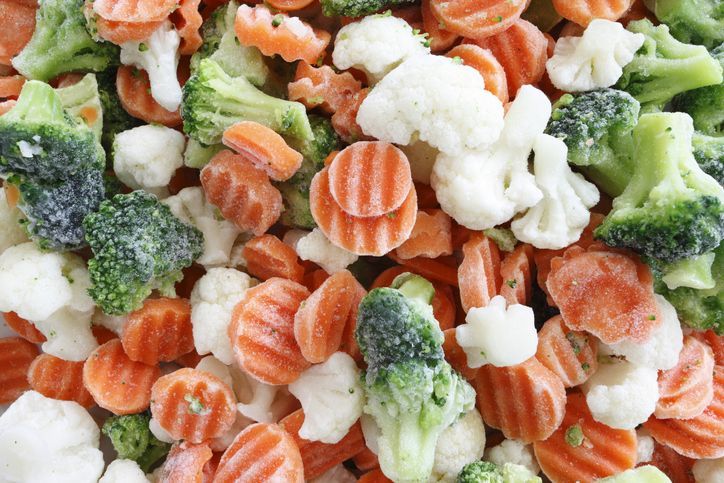
One of the most prevalent errors consumers commit is prioritizing flavor convenience over nutritional purity. Many commercially available frozen vegetable medleys come pre-seasoned or packed in sauces. While a bag of "broccoli in cheese sauce" or "creamy spinach" may appear to be a convenient dinner solution, these products are often processed with saturated fats, thickeners, and excessive sodium.
Registered dietitians and nutritionists, including experts like Karina Tolentino, emphasize that the primary benefit of frozen vegetables is the ability to control the macronutrient profile of a meal. By opting for pre-seasoned variants, consumers lose this agency. A standard serving of plain broccoli offers high fiber and low caloric density; once coated in cheese or butter sauces, the caloric density increases significantly, often offsetting the metabolic benefits of the vegetable itself. To maximize nutritional value, experts recommend purchasing plain, unseasoned frozen produce and utilizing pantry staples such as fresh garlic, extra virgin olive oil, herbs, and lemon juice to enhance flavor.
2. The Sugar Contamination in Frozen Fruits
The inclusion of added sugars in frozen fruit is a major point of contention in nutrition circles. Many consumers purchase frozen berries, peaches, or mangoes assuming they are getting pure fruit, only to find that the packaging lists high-fructose corn syrup or granulated sugar as a secondary ingredient. This is particularly common in fruit medleys intended for smoothies or desserts.
The health implications of added sugars are well-documented, linked to insulin spikes and long-term metabolic health issues. When fruit is consumed in its whole, natural state, the fructose is tempered by the fiber content, which slows absorption. When refined sugars are added to the mix, this balance is disrupted. For the health-conscious consumer, the golden rule is to scrutinize the ingredient label. The ingredient list for any frozen fruit product should ideally contain only one item: the fruit itself. If the product is packed in liquid, it should be water, not heavy syrup or fruit juice concentrates.
3. The Neglect of Ingredient Label Literacy
A critical mistake in the retail environment is the failure to read the nutritional label and ingredient list with a critical eye. In the fast-paced modern shopping experience, many consumers rely solely on the front-of-pack marketing, which often highlights terms like "natural," "healthy," or "low fat." However, a quick scan of the back of the package often reveals a list of stabilizers, preservatives, and flavor enhancers.
Nutritionists advise that if a product has a long list of ingredients that are difficult to pronounce, it is likely a highly processed item. High sodium content, specifically, is a common hidden factor in frozen vegetable bags that claim to be "prepared" or "seasoned." For individuals managing hypertension or cardiovascular health, these sodium-heavy options can be detrimental. Checking the "Sodium per Serving" column and aiming for items that contain less than 5% of the Daily Value (DV) is a simple, effective strategy to ensure heart health.

4. Physical Indicators of Compromised Quality
Beyond the ingredient list, the physical condition of the packaging and the state of the contents serve as critical indicators of whether the cold chain has been broken. The "cold chain" refers to the temperature-controlled supply chain that is essential for preserving the quality of frozen goods. If a store’s freezer unit malfunctions or if a shipment sits too long on a loading dock, the temperature of the produce rises, leading to partial thawing and subsequent re-freezing.
Consumers should inspect packages for:
- Large Ice Crystals: These are the most common sign of "thaw-and-refreeze" cycles. When water molecules in the fruit or vegetable cells melt and re-freeze, they expand, rupturing the cell walls and destroying the texture of the produce.
- Solid Clumping: If a bag of peas or berries is frozen into one solid, impenetrable block, it is a strong indication that the product has undergone temperature fluctuations.
- Frost Buildup: A thick layer of frost inside the bag often suggests that the package has been open or has been stored for an excessively long time in suboptimal conditions.
A high-quality frozen product should have individual pieces that are loose and free-flowing. Choosing packages that are not damaged or torn is also vital to prevent freezer burn, which can lead to dehydration of the produce, causing it to become tough, fibrous, or flavorless when cooked.
5. The Persistent Stigma Against Frozen Foods
Perhaps the most damaging mistake is the misconception that frozen foods are inherently "inferior" to fresh options. This bias prevents many individuals from utilizing a highly efficient tool for maintaining a healthy diet. As the global population grows and food costs rise, frozen produce offers a consistent, affordable, and nutritious alternative to the often-wasteful nature of fresh produce.
Research published in various food science journals highlights that because frozen produce is harvested at peak ripeness, it often possesses a more robust nutrient profile than "fresh" produce that has been picked early to survive long-distance shipping and then spent days or weeks sitting on grocery store shelves. The key to a healthy diet is not the distinction between "fresh" and "frozen," but the distinction between "processed" and "whole."
Implications for Public Health
The broader impact of these purchasing habits is significant. With the global rise in diet-related illnesses such as Type 2 diabetes, obesity, and heart disease, the ability of a consumer to navigate a grocery store and make informed choices is a fundamental public health skill. When individuals fail to recognize the hidden sugars and sodium in processed frozen items, they are effectively neutralizing the health benefits of the plant-based diet they are attempting to follow.
Official health organizations, including the World Health Organization (WHO) and local dietary guidelines, consistently advocate for the reduction of added sugars and sodium. By educating consumers on how to select high-quality, unadulterated frozen fruits and vegetables, public health officials can help simplify the path toward better nutrition. The goal is to view the freezer aisle not as a repository for "quick fixes," but as a legitimate, reliable pantry of nutrient-dense, whole-food ingredients.
In conclusion, the efficacy of frozen fruits and vegetables as a health-promoting tool is entirely dependent on the consumer’s discernment. By avoiding pre-seasoned items, vetting ingredient labels for added sugars and sodium, inspecting packaging for signs of temperature abuse, and overcoming the stigma against frozen goods, consumers can unlock a convenient, cost-effective, and nutritionally potent way to meet their daily dietary requirements. The freezer, when used correctly, is an ally in the quest for optimal health, ensuring that nutritious, plant-based fuel is always within reach.
