

The landscape of South Korean television has long been dominated by the allure of sweeping romantic narratives, yet in recent decades, a secondary phenomenon has emerged as a primary driver of viewership and critical acclaim: the "bromance." A portmanteau of "brother" and "romance," the term describes a non-sexual, deeply emotional bond between male characters that often transcends the central romantic plotline. These relationships, characterized by fierce loyalty, comedic bickering, and shared vulnerability, have become a cornerstone of the Hallyu wave, influencing everything from scriptwriting trends to global marketing strategies. Industry data suggests that dramas featuring strong male-to-male chemistry often see a significant spike in social media engagement and international licensing value, as audiences increasingly gravitate toward stories that explore the complexities of platonic male intimacy.
The evolution of the bromance trope reflects a broader cultural shift in the portrayal of masculinity within Korean media. Moving away from the "tough guy" archetypes of the early 2000s, modern K-dramas now frequently depict men who are comfortable expressing grief, affection, and mutual dependence. From the historical battlefields of the Silla Dynasty to the high-stakes operating rooms of modern Seoul, these eight iconic bromances have not only captured the hearts of fans but have also set the gold standard for character development in the industry.
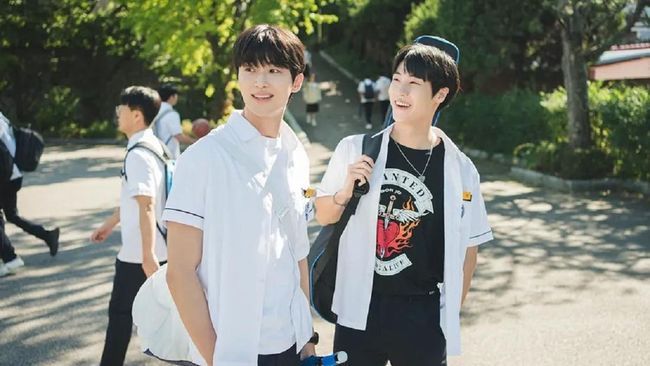
1. True Beauty: The Complex Redemption of Su Ho and Seo Jun
Released in late 2020, True Beauty became a global sensation, largely due to the electric tension between Lee Su Ho (played by Cha Eun-woo) and Han Seo Jun (played by Hwang In-youp). While the drama, based on the popular webtoon of the same name, focused on the journey of Lim Ju-kyung, the "love-hate" relationship between the two male leads provided the series’ emotional backbone.
The backstory of Su Ho and Seo Jun is rooted in a shared tragedy—the suicide of their mutual best friend, a budding K-pop idol. This trauma turned their former brotherhood into a bitter rivalry fueled by misunderstanding and guilt. Throughout the 16-episode run, viewers witnessed a slow-burn reconciliation. The chemistry between Cha Eun-woo and Hwang In-youp was so palpable that it sparked intense "second lead syndrome" debates online. Their bromance is iconic because it transitioned from physical altercations and icy glares to moments of profound mutual support, illustrating that the path to healing often requires the presence of those who shared the original pain.
2. Hospital Playlist: A Masterclass in Lifelong Adult Friendship
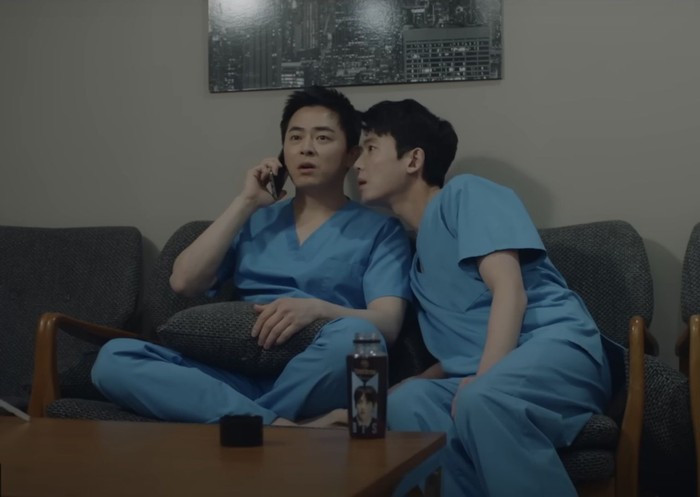
Directed by Shin Won-ho, the visionary behind the Reply series, Hospital Playlist (2020–2021) revolutionized the medical drama genre by prioritizing character relationships over medical jargon. At the center of the narrative is the "99-ers" group, five doctors who have been friends since medical school. While the group dynamic is essential, the specific bond between Lee Ik-jun (Jo Jung-suk) and Kim Jun-wan (Jung Kyung-ho) stands out as a pinnacle of adult bromance.
Living together as roommates, Ik-jun and Jun-wan represent the comfort of long-term friendship where words are often unnecessary. Their chemistry is built on a foundation of relentless teasing—largely revolving around Jun-wan’s prickly personality and Ik-jun’s social butterfly nature—contrasted with their unwavering professionalism in the operating room. Supporting data from streaming platforms during the show’s run indicated that the "band practice" scenes, where the friends performed covers of classic Korean songs, were among the most-rewatched segments, highlighting the audience’s appetite for their authentic, lived-in camaraderie.
3. Reply 1988: The Nostalgic Brotherhood of Ssangmun-dong
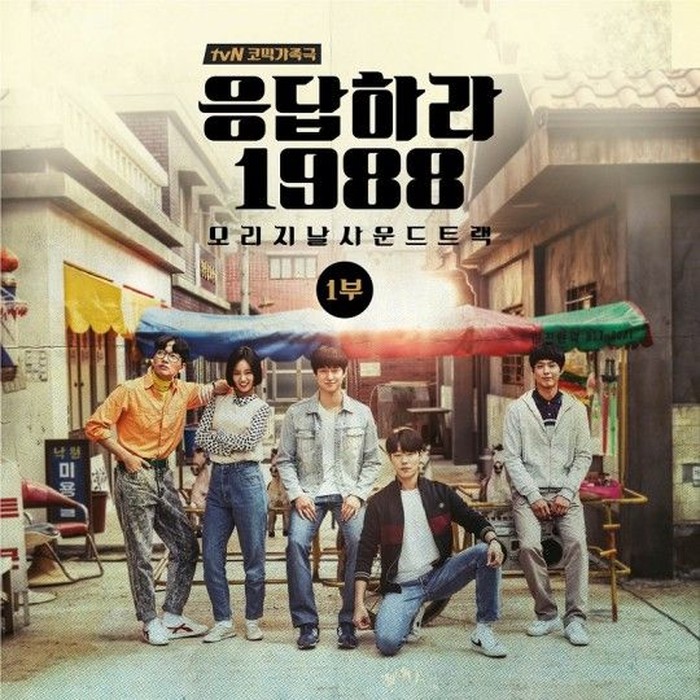
Reply 1988 (2015) remains one of the highest-rated dramas in Korean cable television history, lauded for its evocative portrayal of neighborhood life in the late 1980s. The bromance here is a collective effort involving Jung-hwan (Ryu Jun-yeol), Choi Taek (Park Bo-gum), Sun-woo (Go Kyung-pyo), and Dong-ryong (Lee Dong-hwi).
This quartet’s relationship is defined by the era they inhabit—a time before smartphones, where friendship was measured in hours spent in a cramped bedroom watching pirated movies or eating ramyun. The bond is particularly poignant in how the boys protect Choi Taek, a genius Go player who is socially inept in the "real world." The timeline of their growth, from awkward teenagers to men facing the realities of the 1990s, offers a fact-based analysis of how socioeconomic changes in South Korea influenced social circles. Their chemistry felt so real that it transcended the screen, with the actors maintaining a close-knit friendship, known as the "Youth Over Flowers" crew, years after the show concluded.
4. Lovely Runner: Loyalty Across Time and Reality
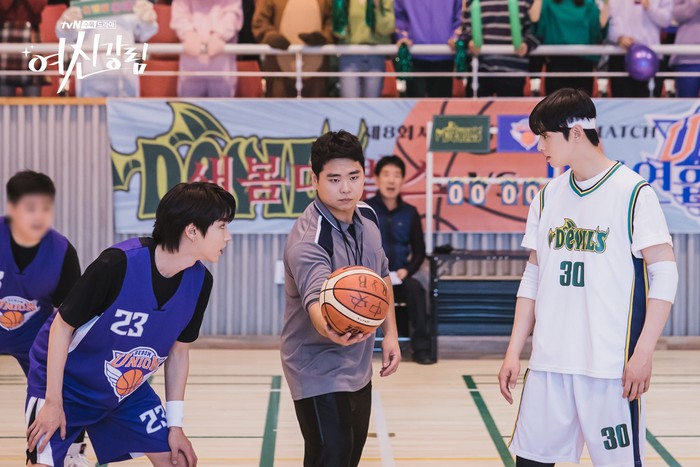
The 2024 hit Lovely Runner introduced a fresh take on the bromance trope within a time-slip narrative. The relationship between Ryu Sun-jae (Byeon Woo-seok) and his bandmate Baek In-hyuk (Lee Seung-hyub) serves as a vital emotional anchor for the protagonist. In every timeline that the female lead, Im Sol, visits, In-hyuk remains the one constant in Sun-jae’s life.
In-hyuk is not merely a sidekick; he is the catalyst for Sun-jae’s musical career and his most trusted confidant during moments of existential crisis. Fans and critics have noted that Lee Seung-hyub, who is a musician in real life (leader of the band N.Flying), brought a layer of authenticity to the role that enhanced the chemistry. The drama’s success underscores a growing trend in K-dramas where the "best friend" character is given significant agency and a narrative arc that parallels the main romance, rather than just serving as comic relief.
5. Goblin: The Legendary "Grim-blin" Duo
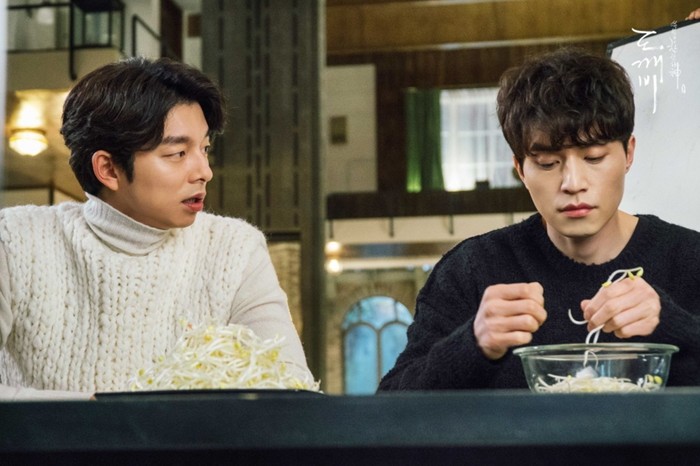
Perhaps no bromance is as culturally significant as that between Kim Shin (Gong Yoo) and the Grim Reaper (Lee Dong-wook) in Goblin (2016). This supernatural pairing redefined the "frenemy" dynamic. As immortal beings forced to share a house, their daily lives were a hilarious montage of magical pranks and petty arguments over laundry and interior design.
However, the depth of their bond was revealed through the tragedy of their past lives. The realization that they were enemies in a previous incarnation added a layer of gravitas to their modern-day friendship. The "tunnel walk" scene, where the two men emerge from the shadows to rescue the female lead, remains one of the most parodied and iconic moments in K-drama history. Their chemistry was so successful that it led to a surge in "buddy" themed advertising campaigns in Korea, proving that a strong bromance can be a powerful commercial asset.
6. Descendants of the Sun: Comradeship in the Face of Danger
The 2016 global phenomenon Descendants of the Sun featured a bromance forged in the heat of military service. Captain Yoo Si-jin (Song Joong-ki) and Sergeant Major Seo Dae-young (Jin Goo) shared a bond that was rooted in "Jeon-u-ae" (comradeship). Their relationship provided a necessary balance to the high-stakes romantic drama occurring in the fictional war-torn country of Uruk.
Their chemistry was characterized by a dry, military wit and a mutual understanding of the sacrifices required by their profession. Whether they were facing a firing squad or navigating the complexities of their respective dating lives, they operated as a singular unit. Industry analysts point to this drama as a key example of how bromance can expand the demographic appeal of a show, drawing in male viewers who resonate with the themes of loyalty and professional respect.
7. Business Proposal: Redefining the CEO-Secretary Dynamic
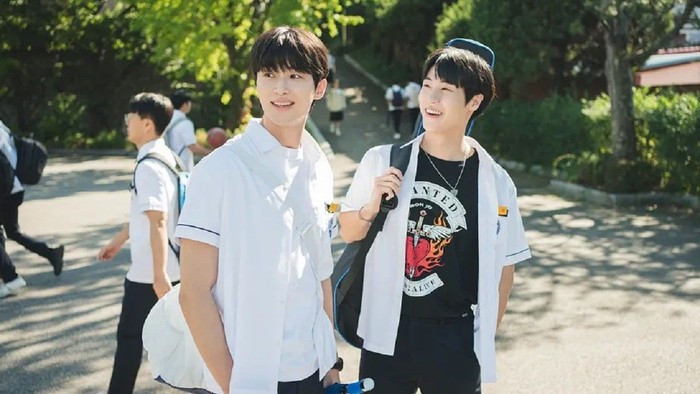
In the 2022 romantic comedy Business Proposal, the relationship between CEO Kang Tae-moo (Ahn Hyo-seop) and his chief secretary Cha Sung-hoon (Kim Min-kyu) offered a refreshing take on workplace hierarchies. While technically an employer and employee, the two grew up together, creating a foundation of brotherhood that superseded their professional titles.
Unlike traditional portrayals where the secretary is a subservient figure, Sung-hoon acted as Tae-moo’s emotional moral compass. Their chemistry was "classic and clean," providing a stable counterpoint to the chaotic, trope-heavy romance of the main couple. The success of this pairing led to numerous joint interviews and photo shoots, as fans were equally invested in their "office bromance" as they were in the primary love stories.
8. Hwarang: The Brotherhood of the Flower Knights
The historical drama Hwarang (2016) was specifically designed to showcase a large ensemble of male talent. Set in the Silla Kingdom, it follows an elite group of young men known as Hwarang (Flower Knights). The central bromance between Moo-myung (Park Seo-joon) and Sam Maek-jong (Park Hyung-sik) is complicated by political rivalry and a love triangle, yet it is their eventual mutual respect that defines the series’ conclusion.
The drama is notable for fostering real-life connections; the cast, including BTS’s V and Choi Min-ho, formed the "Wooga Squad," one of the most famous friend groups in the Korean entertainment industry. The "Hwarang" bromance is a testament to the power of shared struggle, showing how young men from different social strata can unite under a common cause.
Industry Implications and the Future of Bromance
The prevalence of these iconic pairings suggests that bromance is no longer a "sub-plot" but a strategic necessity in K-drama production. Broadcasters like tvN, JTBC, and Netflix have noted that "Best Couple" awards at year-end ceremonies are frequently contested by male duos, sometimes even overshadowing the lead romantic pairs.
Furthermore, the global reception of these relationships indicates a universal appreciation for male emotional literacy. In a world where traditional notions of masculinity are being questioned, K-dramas offer a vision of male friendship that is supportive, communicative, and deeply affectionate. As the Hallyu wave continues to evolve, the "bromance" will likely remain a vital tool for storytellers, providing a rich tapestry of human connection that resonates far beyond the borders of South Korea. The success of these eight dramas proves that while romance might start a story, it is often the enduring bond of brotherhood that gives it a lasting legacy.
