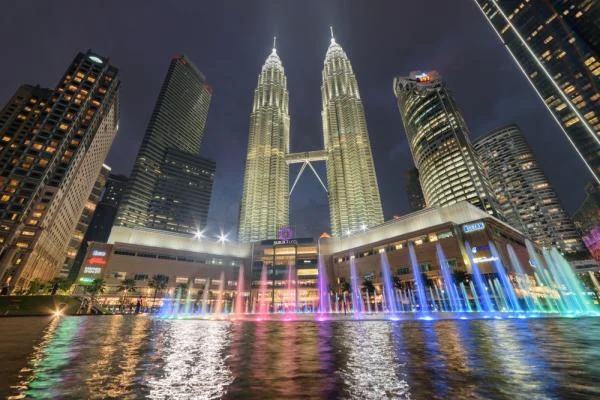
The planning phase of an international year-end holiday is often characterized by logistical complexities, from the competitive procurement of airfare during peak travel seasons to the intricate coordination of multi-country itineraries. As the travel industry continues to evolve in the post-pandemic landscape, travelers are increasingly seeking turnkey solutions that mitigate these stressors. In response to this consumer demand, Mister Aladin has launched its Celebrate Year End 3 Countries tour package, designed to facilitate a seven-day, six-night excursion spanning Singapore, Malaysia, and Thailand for the December 2026 travel period. With a starting price of IDR 10,990,000, the package aims to consolidate essential travel services into a single, managed booking, reflecting a broader trend of packaged travel becoming the preferred method for year-end tourism in Southeast Asia.
Logistical Framework and Service Inclusions
The efficacy of modern travel management relies on the integration of disparate services into a cohesive framework. The Mister Aladin package is structured to address the primary pain points identified by international travelers: flight logistics, lodging, and ground transportation. By centralizing these components, the operator effectively reduces the risk of administrative errors that often plague self-managed itineraries.
The comprehensive nature of the package includes round-trip airfare departing from Jakarta, which is a critical inclusion given the volatility of aviation pricing during the December holiday surge. Historically, ticket prices for major regional hubs in Southeast Asia can increase by 30% to 50% during the final two weeks of December. By pre-purchasing inventory, the tour operator provides a hedge against this inflationary pressure. Furthermore, the inclusion of hotel accommodations, all-inclusive local transportation, and daily meals ensures that travelers are insulated from fluctuating service costs once they arrive at their destinations.
Beyond the logistical basics, the tour includes entry fees to designated tourist sites, professional tour guides, luggage handling, and travel insurance. This bundled approach aligns with international travel safety standards, as the inclusion of insurance is increasingly viewed as a prerequisite for cross-border tourism in the region.
The Geography of the Itinerary
The choice of Singapore, Malaysia, and Thailand as a tripartite destination reflects the strategic connectivity of the ASEAN region. These three nations maintain strong diplomatic and economic ties, facilitating seamless border crossings for tourists.
Singapore, as a global financial and transit hub, serves as an efficient entry point for international travelers. Its infrastructure is designed to accommodate high volumes of short-term visitors, and the city-state’s year-end light displays are a significant draw for regional tourism. Malaysia, with its blend of cultural heritage and modern urban development, offers a secondary stage in the tour, providing a distinct contrast in landscape and culinary offerings. Finally, Thailand, particularly its role in Southeast Asian leisure tourism, provides the final segment of the journey, often emphasizing cultural landmarks and retail accessibility.
This cross-border itinerary is optimized for the seven-day, six-night timeframe. By minimizing transit gaps and maximizing time spent at cultural landmarks, the tour allows for a density of experience that would be challenging to replicate through independent travel, which often requires significant time spent navigating local transit systems.
Industry Context and Travel Trends
The emergence of such packages in the Indonesian market coincides with a significant rebound in regional travel. Data from the ASEAN Secretariat suggests that intra-regional travel has surpassed pre-2019 levels in several sectors, driven by the simplification of visa processes and the increased frequency of low-cost carrier (LCC) operations.
For the Indonesian consumer, the preference for "all-in" tour packages is rooted in both convenience and economic stability. According to industry analysts, inflation in the travel sector—specifically regarding hospitality and ground services—has led to a surge in interest for fixed-price, prepaid tours. When a traveler commits to a price of IDR 10,990,000, they are effectively locking in their expenditures against currency fluctuations and potential service-level price hikes that frequently occur during the peak holiday season.
From an operator’s perspective, managing these large-scale tours requires robust partnerships with local vendors in Singapore, Malaysia, and Thailand. This ecosystem of cooperation ensures that when a group arrives at a destination, their accommodation and transportation are already secured, effectively bypassing the competitive bidding wars for rooms that occur on third-party booking platforms during the final quarter of the year.
Economic and Operational Analysis
The pricing strategy for the Celebrate Year End 3 Countries tour is highly competitive when analyzed against the current average cost of independent travel for the same duration. When breaking down the components—round-trip airfare, six nights of accommodation, inter-country transport, and daily sustenance—the cumulative cost of booking these items individually would likely exceed the package price, particularly during the December window.
The economic implication here is one of economies of scale. By negotiating bulk rates with airlines and hotel chains, Mister Aladin is able to pass cost efficiencies to the consumer. This model is essential for maintaining the affordability of international travel for the growing Indonesian middle class, who are increasingly looking beyond domestic borders for their end-of-year holidays.
However, the operational complexity of managing a multi-country tour is significant. The tour operator must manage international transit, local regulations in three different jurisdictions, and the logistical challenges of group movement. The reliance on professional tour guides is a key component in this operational success, as these individuals act as the interface between the traveler and the local environment, providing the necessary navigation, translation, and cultural context to ensure the itinerary remains on schedule.
Strategic Implications for Regional Tourism
The success of the tour is also a testament to the integrated nature of Southeast Asian tourism. Regional cooperation has historically focused on the "Visit ASEAN" initiative, which promotes the concept of visiting multiple countries on a single trip. By packaging Singapore, Malaysia, and Thailand, operators are reinforcing this regional identity.
The December 2026 timing is particularly significant as it follows a period of expected growth in infrastructure across these nations, including upgrades to airport facilities and high-speed rail developments. These enhancements are expected to make the transit between these countries even smoother by the time the tour takes place.
For the traveler, the implications are clear: the shift away from DIY (Do-It-Yourself) travel toward managed, bundled tours is a response to the increasing volatility and complexity of the modern travel environment. While independent travel offers flexibility, it also carries the burden of risk management—a task that many travelers are increasingly willing to delegate to professional operators.
Conclusion and Outlook
The Celebrate Year End 3 Countries tour by Mister Aladin represents a sophisticated response to the demands of contemporary tourism. By prioritizing a seamless, end-to-end experience, the service addresses the core concerns of affordability, logistical ease, and risk mitigation. As travelers look toward the end of 2026, the preference for such structured experiences is likely to remain high, supported by the ongoing integration of the Southeast Asian travel market and the operational reliability of established tour providers.
Whether this trend will influence future travel habits—moving more consumers away from independent planning—remains to be seen. However, the current data suggests that for high-traffic holiday periods, the value proposition of a comprehensive, pre-planned package is difficult to overlook. By consolidating the complexities of international travel into a single booking, the industry is not merely selling a holiday; it is selling the assurance of a stress-free transition from the end of one year to the beginning of the next.
For potential participants, the combination of a fixed, inclusive price and a professional support system provides a blueprint for efficient international travel. As the December 2026 date approaches, the performance of these tours will serve as a bellwether for the health and capacity of the regional tourism sector, providing insights into consumer confidence and the evolving expectations of the modern traveler in a globally connected Southeast Asia.