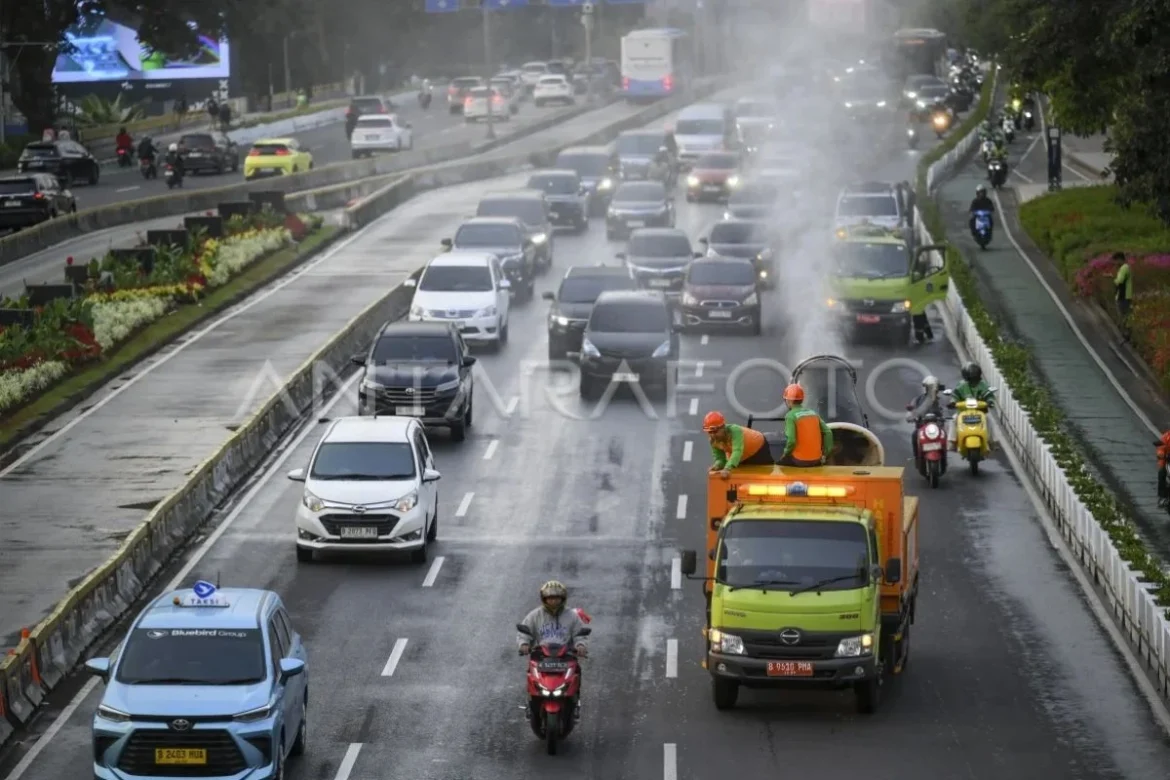
The recent volcanic activity and eruption of Mount Anak Krakatau have blanketed surrounding regions in thick layers of abrasive volcanic ash, creating severe hazards not only for human respiratory health and structural integrity but also for vehicular transport systems. While many vehicle owners instinctively focus on washing down the exterior bodywork of their cars and motorcycles, automotive experts and geological institutions emphasize that exterior cleanliness is merely superficial. Volcanic ash possesses highly abrasive, jagged mineral properties that distinguish it fundamentally from ordinary urban dust or road grime. When these microscopic particles infiltrate internal mechanical systems, electronic units, and fluid pathways, they can precipitate catastrophic mechanical failures, accelerated component wear, and costly engine damage if not properly addressed through rigorous post-eruption maintenance protocols.
Understanding the Nature of Volcanic Ash and Its Threat to Machinery
To comprehend the necessity of comprehensive vehicle inspections following an eruption, one must understand the composition of volcanic ash. Unlike organic dust, volcanic ash consists of pulverized rock, minerals, and volcanic glass shards. These sharp-edged particles are remarkably hard and chemically inert, meaning they do not dissolve easily and act like microscopic sandpaper when trapped between moving mechanical parts.
According to geological surveys conducted by agencies such as the United States Geological Survey (USGS), even a relatively minor concentration of volcanic ash entering an internal combustion engine can induce rapid abrasive wear on cylinder walls, piston rings, and valve guides. Furthermore, the fine particulate matter is easily airborne, allowing it to bypass standard filtration barriers during heavy ashfalls. Consequently, transportation authorities and mechanical engineers strongly advise motorists in affected zones to restrict vehicle usage during active ashfall events unless absolutely necessary. When vehicles must be operated, a systematic inspection of seven critical vehicle zones is paramount to prevent long-term mechanical degradation.
- Air Filtration Systems and Engine Protection
The engine air filter serves as the primary line of defense against airborne contaminants, making it exceptionally vulnerable during a volcanic crisis. As ash settles on roadways and becomes re-entrained in the air by moving traffic, vehicles draw massive volumes of particulate-laden air into their intake systems.
Volcanic ash can rapidly clog the pores of paper or foam air filters, restricting optimal airflow and causing engine choking, reduced fuel efficiency, and a noticeable loss of power. More alarmingly, if the accumulation breaches a saturated filter, abrasive particles enter the combustion chamber directly. According to technical advisories from the USGS, this breach compromises moving engine components and accelerates mechanical wear exponentially. Vehicle owners in affected regions must immediately inspect their air filter elements, shaking out loose debris carefully or replacing the filter entirely if particulate saturation or structural damage is detected.
- Braking System Integrity and Safety Hazards
Braking performance is non-negotiable for road safety, yet the braking system is highly susceptible to environmental contamination. When volcanic ash mixes with ambient moisture—whether from morning dew, high humidity, or light rain—it forms a dense, paste-like abrasive compound that settles into brake calipers, brake pads, rotors, and drum assemblies.
The presence of jagged ash particles between friction surfaces accelerates the wear of brake pads and scores brake rotors, leading to reduced braking responsiveness, grinding noises, and potential brake fade. If a vehicle has been driven extensively through heavy ash deposits, a professional teardown and inspection of the braking system at a certified automotive workshop is strongly recommended to clear trapped particulates and ensure optimal stopping power.
- Cooling Systems, Radiators, and Thermal Management
Modern internal combustion engines rely on precise thermal regulation to prevent overheating and internal warping. The vehicle’s radiator, situated at the front of the engine bay, depends on an unobstructed flow of ambient air passing through its aluminum fins to dissipate heat from the coolant fluid.
Volcanic ash acts as an insulating blanket when it coats radiator fins, trapping heat and severely inhibiting the cooling process. Furthermore, when mixed with water, ash can cement itself between the narrow radiator grid gaps, making it difficult to flush out with standard garden hoses. Motorists must thoroughly inspect the condenser and radiator core after exposure to volcanic fallout, utilizing low-pressure water streams from the inside out to dislodge trapped debris without bending delicate cooling fins.
- Cabin Air Quality, Air Conditioning, and Climate Control
Vehicle occupants are equally at risk if the climate control system draws in ash-laden air from the external environment. The HVAC (Heating, Ventilation, and Air Conditioning) system pulls air through a cabin air filter, which can become quickly overwhelmed by fine volcanic particulates.
When ash accumulates within the evaporator housing and AC ducts, it can emit unpleasant odors, reduce blower efficiency, and circulate harmful crystalline silica dust into the passenger cabin, posing respiratory risks to drivers and passengers. Mechanics advise inspecting and replacing the cabin air filter following ash exposure, as well as engaging the climate control’s internal air recirculation mode while navigating through affected zones to minimize particulate ingestion.
- Windshield Glass, Window Seals, and Wiper Blade Preservation
One of the most common and easily avoidable mistakes made by motorists is the improper cleaning of windshields covered in dry volcanic ash. Because volcanic ash is composed of hard mineral and glass fragments, activating windshield wipers while the glass is dry or using a dry microfiber cloth to wipe the surface acts as a mechanical abrasive process, permanently scratching automotive glass and ruining wiper rubber blades.
Experts stress that drivers must never activate wipers or dry-wipe exterior glass surfaces. Instead, copious amounts of water should be applied generously to float and dissolve the ash particles away from the glass before any physical wiping or washing takes place. Window seals and door weatherstripping should also be inspected and cleaned, as accumulated ash can degrade rubber elasticity and compromise cabin insulation against water and wind.
- Electrical Architecture, Alternators, and Electronic Sensors
Modern vehicles are heavily reliant on complex electrical wiring harnesses, electronic control units (ECUs), engine management sensors, and alternators. Volcanic ash is naturally hygroscopic to varying degrees and, when combined with moisture, can become mildly conductive.
An accumulation of damp volcanic ash within the engine bay can coat electrical connectors, disrupt sensor readings, and interfere with alternator performance. The USGS notes that electronic components are highly sensitive to fine particulate intrusion. Heavy deposits of wet ash can create short circuits or ground faults within the electrical grid. Consequently, if a vehicle has been subjected to significant ash accumulation under the hood, a comprehensive cleaning and diagnostic scan by a qualified technician is essential to safeguard the vehicle’s electronic architecture.
- Lubrication Systems and Internal Engine Contamination
Perhaps the most critical and expensive component to safeguard is the internal lubrication system. If compromised air filtration allows volcanic ash to bypass the intake barrier, microscopic abrasive particles can migrate past piston rings and enter the engine crankcase, where they contaminate the engine oil.
Once suspended in engine oil, these hard mineral particles circulate throughout the lubrication circuit, acting as a liquid grinding compound against bearings, camshafts, and oil pumps. Even trace amounts of ash within the oil can induce rapid internal wear. For vehicles operated extensively during or immediately after a volcanic eruption, changing the engine oil and oil filter is a vital preventive measure to purge any potential particulate contaminants before permanent internal damage occurs.
Proper Remediation Techniques and Post-Eruption Protocols
Beyond component-specific inspections, the methodology applied during the clean-up phase is critical. Automotive authorities emphasize strict adherence to safe washing protocols to prevent compounding the damage caused by the eruption.
First, vehicle owners must resist the urge to use compressed air to blow away dry ash from the bodywork or engine bay. Compressed air propels fine particles into the air, where they can be inhaled by the cleaner or driven deeper into delicate electrical connectors, door hinges, and intake manifolds. Second, pre-soaking the vehicle with a gentle, low-pressure flow of water is mandatory to lift and loosen the ash safely without sliding abrasive granules across painted surfaces.
Chronology and Broader Implications for Transportation Infrastructure
The eruption of Mount Anak Krakatau and subsequent ash dispersion events fit into a broader pattern of geological activity within the Sunda Strait region, a notoriously active tectonic zone in Indonesia. Historical precedents, such as the catastrophic 1883 eruption of the original Krakatau volcano, underscore the immense geological power housed within this region and the far-reaching environmental consequences of volcanic fallout.
In contemporary contexts, widespread volcanic ash dispersal presents severe logistical challenges for regional transportation networks, municipal services, and private vehicle fleets alike. Transportation authorities frequently deploy tactical assets—such as armored water cannon (AWC) vehicles typically utilized by security forces—to clear thick layers of volcanic debris from major thoroughfares and urban roads, facilitating emergency response operations and restoring public mobility.
From an economic and operational perspective, the implications of volcanic ash on vehicular fleets are profound. Fleet operators, logistics companies, and private motorists face potential spikes in maintenance expenditures, unexpected downtime, and accelerated asset depreciation if proactive maintenance measures are neglected. Supply chain disruptions can also occur if replacement parts such as air filters, cabin filters, and specialized lubricants experience sudden surges in local demand following a major eruption event.
Conclusion and Expert Recommendations
Ultimately, recovering a vehicle from the aftermath of a volcanic eruption extends far beyond a simple exterior car wash. Comprehensive post-eruption maintenance requires a meticulous, systematic inspection of vital operational domains—including air induction systems, braking mechanisms, cooling grids, climate control filters, glass surfaces, electrical harnesses, and internal lubrication channels. By adhering strictly to recommended cleaning procedures, avoiding dry wiping, and engaging professional automotive technicians for deep inspections when heavy exposure occurs, vehicle owners can mitigate the abrasive hazards of volcanic ash, prevent long-term mechanical degradation, and ensure the continued safety and reliability of their transport assets in disaster-affected regions.