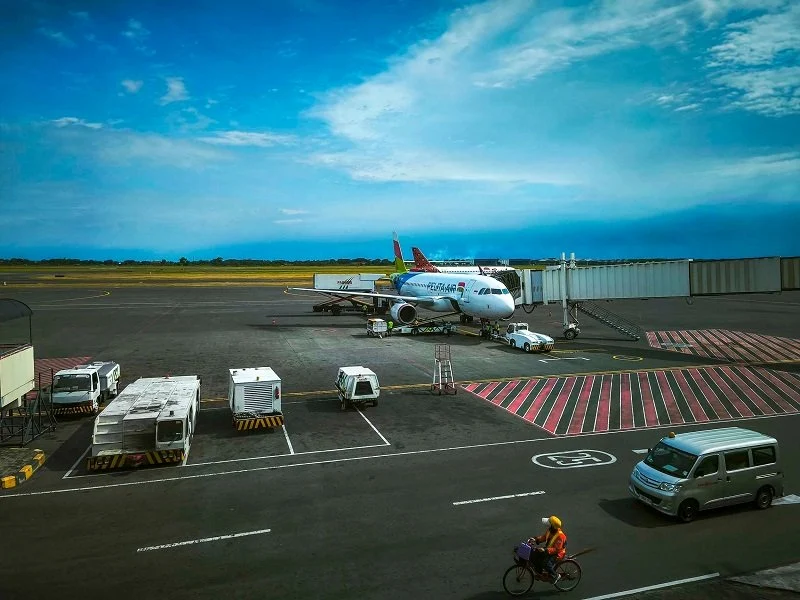
In anticipation of the upcoming Pertamina Grand Prix of Indonesia 2026, scheduled to be held at the Pertamina Mandalika International Circuit from October 9 to October 11, 2026, the national carrier Pelita Air has unveiled an ambitious promotional campaign aimed at engaging motorsport enthusiasts and air travelers alike. The initiative serves as a strategic marketing effort to boost excitement for the race while reinforcing the airline’s role in supporting Indonesia’s burgeoning motorsport ecosystem and its commitment to the development of local racing talent.
A Strategic Partnership for National Pride
The Pertamina Grand Prix of Indonesia, a cornerstone event on the MotoGP calendar, represents a significant milestone in Indonesia’s global sporting presence. Since the circuit’s inauguration in the special economic zone of Mandalika, West Nusa Tenggara, the event has acted as a catalyst for tourism, infrastructure development, and international investment. Pelita Air, as a subsidiary of the state-owned energy conglomerate Pertamina, has positioned itself as a primary logistical partner for the event.
Faik Fahmi, the President Director of Pelita Air, highlighted the importance of this synergy during an official statement released on Friday, September 18, 2026. "This initiative is an integral part of Pelita Air’s support for Pertamina, reflecting our shared dedication to strengthening the national motorsport ecosystem. By providing fans with unique access to this world-class event, we are not only enhancing the customer experience but also demonstrating our commitment to promoting Indonesia as a premier destination for international sports tourism," Fahmi stated.
Campaign Mechanics: Lucky Seat and On-Board Engagement
The promotional campaign is designed to create a "racetrack atmosphere" even before passengers reach the island of Lombok. Spanning from late September through the conclusion of the race weekend in mid-October, the activation consists of several distinct phases aimed at maximizing customer interaction.
Central to the campaign is the "Lucky Seat in the Air" program. Running from September 21 to September 30, 2026, Pelita Air will distribute 100 free MotoGP grandstand tickets across various domestic flights. The mechanism is simple yet designed to generate high levels of passenger excitement: the tickets will be placed randomly in the seat pockets of selected aircraft. Passengers who discover the golden tickets during their flight will be granted direct access to the grandstands at the Mandalika International Circuit, bypassing the standard purchase process.
In addition to the seat-based giveaway, the airline is introducing "Quiz on Board." During this activation, cabin crew will facilitate interactive trivia sessions on selected flights. These quizzes will test passengers’ knowledge regarding MotoGP history, the specifics of the Mandalika circuit, and general facts about the Pertamina Grand Prix. Winners of these on-board competitions will receive exclusive event merchandise and additional opportunities to secure entry passes for the race.
Contextualizing the Mandalika MotoGP Phenomenon
The Pertamina Mandalika International Circuit has faced a rigorous schedule of upgrades and maintenance to meet the high standards of the Fédération Internationale de Motocyclisme (FIM). The 2026 edition of the Grand Prix is particularly significant, as it follows a period of stable growth for the event. Historical data from the previous 2024 and 2025 iterations shows a consistent increase in both domestic and international attendance, which has prompted local authorities and stakeholders like Pelita Air to expand their logistical footprint.
The economic implications for the Mandalika region are profound. According to regional tourism statistics, the MotoGP weekend typically results in a 300% to 400% increase in local hotel occupancy and generates significant revenue for the micro, small, and medium enterprises (MSMEs) operating within the special economic zone. By integrating promotional activities into the flight experience, Pelita Air is effectively bridging the gap between the aviation and tourism sectors, ensuring that the economic benefits of the race extend to the air travel experience itself.

The Evolution of Motorsport Tourism in Indonesia
The involvement of a major state-owned airline in promoting a racing event is indicative of a broader shift in Indonesia’s sports marketing landscape. Initially, the Mandalika circuit was viewed primarily as an infrastructure project; however, it has since evolved into a cultural and social platform. The integration of "Lucky Seat" programs is a modern marketing approach aimed at increasing customer loyalty and brand association with high-energy, premium lifestyle events.
Industry analysts suggest that such campaigns provide a dual benefit. For the airline, it creates a unique differentiator in an increasingly competitive domestic market, moving beyond price-based competition to experience-based value. For the motorsport event organizers, the collaboration with Pelita Air provides a captive audience of thousands of passengers who may be potential ticket buyers but have not yet finalized their travel or viewing plans.
Timeline of the 2026 Campaign
The following chronology outlines the key milestones for the campaign:
- September 18, 2026: Official announcement of the campaign by the President Director of Pelita Air.
- September 21, 2026: Commencement of the "Lucky Seat in the Air" and "Quiz on Board" activations across the airline’s network.
- September 30, 2026: Conclusion of the ticket distribution phase.
- October 9, 2026: Official opening of the Pertamina Grand Prix of Indonesia 2026 at the Mandalika Circuit.
- October 11, 2026: Final race day and conclusion of the campaign activities.
Operational and Logistical Considerations
While the "Lucky Seat" initiative is the most public-facing aspect of the campaign, Pelita Air is also optimizing its flight schedules to accommodate the surge in demand expected during the race weekend. The airline has indicated that it is coordinating closely with airport authorities in Lombok to ensure seamless connectivity for fans traveling from major hubs such as Jakarta, Surabaya, and Denpasar.
The security and logistics of distributing high-value event tickets on-board have been planned to ensure fairness and prevent unauthorized redistribution. Each ticket is tied to the passenger’s boarding pass to ensure that the rightful travelers are the ones who benefit from the promotion.
Broader Economic and Social Impact
The promotion of the Pertamina Grand Prix of Indonesia 2026 through these initiatives underscores a long-term vision for Indonesia’s position in the global motorsports arena. By fostering a sense of national ownership through these public engagement programs, the organizers hope to sustain interest in the Mandalika circuit well beyond the event dates.
Furthermore, the focus on "talented Indonesian riders" mentioned by Faik Fahmi suggests a strategic push to encourage the development of home-grown professional racers. By positioning the race as a source of national pride, the campaign encourages the next generation of Indonesian youth to engage with motorsport at a grassroots level, potentially leading to increased participation in local karting and motorcycle leagues.
Conclusion and Future Outlook
The initiative by Pelita Air represents a significant alignment of corporate social responsibility and commercial innovation. As the 2026 race approaches, the visibility of the Pertamina Grand Prix continues to rise, bolstered by creative marketing tactics that prioritize the fan experience. With 100 tickets distributed randomly and a series of engaging on-board activities, the airline is effectively turning the journey to Mandalika into part of the event itself.
As the industry looks forward to the racing weekend in October, the success of this campaign will likely be measured by passenger engagement rates and the overall increase in traffic to the Mandalika circuit. For the thousands of travelers flying with Pelita Air, the possibility of finding a MotoGP ticket in their seat pocket adds an element of anticipation that is rarely seen in standard commercial aviation. This campaign not only serves to promote a specific race but also sets a new benchmark for how transport entities can contribute to the success of international sporting events in Indonesia.