The Food Ingredients Asia (Fi Asia) Indonesia 2026, held at the Jakarta International Expo (JIExpo) from September 16 to 18, 2026, has emerged as a pivotal nexus for the global food and beverage supply chain, serving as a platform for KARA Indonesia to champion the versatility and export potential of Indonesian coconut products. As one of the most anticipated industry gatherings in Southeast Asia, the event brought together thousands of international suppliers, manufacturers, and culinary innovators to deliberate on the future of food technology, ingredient sustainability, and market expansion.
For KARA Indonesia, a flagship brand under the Sambu Group, the exhibition served as a strategic stage to promote its core mission, summarized by the theme "Delivering Indonesia’s Coconut to the World." By positioning high-quality coconut derivatives at the center of the global culinary discourse, the company highlighted the significant role that Indonesia—as one of the world’s largest coconut producers—plays in modern food manufacturing.
The Significance of Fi Asia 2026
Fi Asia is widely recognized as the premier trade show for the food and beverage industry in the ASEAN region. The 2026 iteration, hosted in Jakarta, focused heavily on the intersection of tradition and innovation. As global consumer preferences shift toward plant-based diets, clean-label ingredients, and functional foods, the relevance of coconut as a versatile, nutrient-dense, and sustainable ingredient has reached an all-time high.
The event featured hundreds of exhibitors representing various sectors, including sweeteners, flavors, stabilizers, and natural extracts. The presence of international buyers underscores the growing demand for raw materials that meet international safety and quality standards, a sector where Indonesian players are increasingly seeking to exert dominance.
KARA Indonesia: Bridging Tradition and Modern Culinary Needs
Under the banner of the Sambu Group, KARA Indonesia has spent decades refining the processing of coconut-based products, ranging from coconut cream and milk to specialty oils and water. At their booth, the company provided an immersive experience that went beyond product display; they showcased the practical application of these ingredients in contemporary gastronomy.
By integrating coconut derivatives into everything from traditional Southeast Asian recipes to avant-garde international dishes, KARA demonstrated that the humble coconut is a cornerstone of modern food innovation. This approach aligns with broader market trends where consumers are actively seeking natural, dairy-free alternatives that do not compromise on texture or flavor.
Official Visit and Government Endorsement
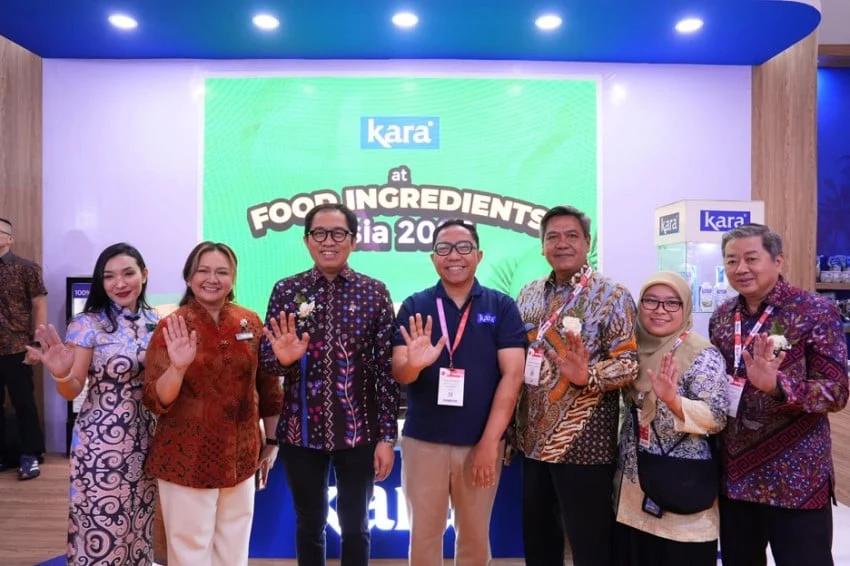
The prominence of the KARA booth was underscored by a high-level visit from Indonesian government officials. Deputy Minister of Industry Faisol Riza, accompanied by Director General of Agro-Industry Putu Juli Andika, Director of Food, Marine, and Fisheries Industry Dyan Garneta Paramita Sari, and Chairman of the Indonesian Food and Beverage Association (GAPMMI) Adhi S. Lukman, conducted a walkthrough of the facility.
The visit served as a symbolic endorsement of the coconut industry’s role in the national economy. The delegation reviewed the technical capabilities of the Sambu Group and discussed the challenges and opportunities for increasing the added value of domestic agricultural commodities. For policymakers, the goal is to shift Indonesia from a raw material exporter to a producer of high-value, processed food products that carry the "Indonesian Brand" label globally.
Corporate Strategy: Delivering Indonesia’s Coconut to the World
Dwianto Arif Wibowo, Corporate Communication of Sambu Group, articulated the rationale behind their participation during the event on September 16, 2026. According to Wibowo, the theme "Delivering Indonesia’s Coconut to the World" is not merely a marketing slogan but a roadmap for their expansion strategy.
"KARA aims to present the inherent goodness of authentic Indonesian coconut through culinary experiences that are highly relevant to current global tastes," Wibowo stated. "We are committed to introducing the richness of Indonesian flavor profiles to a global audience, proving that our domestic industry is capable of meeting the stringent requirements of international markets."
The company’s focus on R&D allows them to maintain consistency in a product that is naturally variable. By leveraging advanced pasteurization and aseptic packaging technologies, KARA has been able to extend the shelf life and broaden the utility of coconut products, making them essential components for international food manufacturers.
Market Analysis: The Global Coconut Derivative Industry
The global coconut product market is projected to witness significant growth through 2030, driven largely by the health-conscious consumer demographic. According to industry analysis, coconut milk and cream, in particular, are seeing heightened demand in Western markets as viable replacements for dairy in vegan and lactose-free applications.
Indonesia, alongside the Philippines and India, remains a top producer of coconuts globally. However, the Indonesian industry faces a dual challenge: the need to modernize upstream farming practices to improve yields and the imperative to invest in downstream processing to capture higher margins. Events like Fi Asia 2026 provide the necessary B2B (business-to-business) connections that allow local manufacturers to secure long-term contracts with international FMCG (Fast-Moving Consumer Goods) giants.
The Role of GAPMMI and Regulatory Support
The presence of Adhi S. Lukman, Chairman of GAPMMI, signals the strong alignment between private sector aspirations and industry associations. GAPMMI has long advocated for the streamlining of export procedures and the improvement of food safety standards to allow Indonesian manufacturers to compete on a level playing field with regional neighbors like Thailand and Vietnam.
During the discussions at Fi Asia, the importance of "Industry 4.0" adoption in food processing was a recurring theme. The ability to trace the origin of coconuts—from the smallholder farmer to the finished consumer product—is becoming a mandatory requirement for European and North American retailers. KARA’s participation and interaction with government officials highlighted the need for collective action to improve traceability and sustainability in the supply chain.
Future Outlook and Implications
The impact of Fi Asia 2026 extends beyond the three days of the exhibition. By establishing strong visibility, companies like KARA are setting the stage for increased export volumes in the coming fiscal years. The emphasis on coconut as a sustainable, plant-based resource aligns with the global environmental, social, and governance (ESG) goals that many international food corporations are now adopting.
As Indonesia continues to navigate its industrial transformation, the success of the coconut sector will depend on several key factors:
- Sustainability Initiatives: Implementing regenerative agriculture practices to ensure the long-term viability of coconut groves.
- Technological Investment: Continued investment in high-efficiency processing plants to minimize waste and maximize extraction yields.
- Product Diversification: Developing a broader range of high-value derivatives, such as medium-chain triglyceride (MCT) oils, coconut flour, and specialized flavor compounds.
- Market Diversification: Expanding presence beyond traditional markets into emerging economies in Africa and Latin America, where the demand for affordable, nutritious plant-based food is rising.
Conclusion
The participation of KARA Indonesia in the Fi Asia 2026 exhibition serves as a microcosm of the broader ambitions of the Indonesian food industry. With the backing of the Ministry of Industry and the strategic guidance of associations like GAPMMI, the company is successfully bridging the gap between local agricultural potential and the sophisticated demands of the global market.
The event concluded with a strong signal that the coconut industry is poised for significant growth. Through continued innovation, a focus on international quality standards, and a narrative that emphasizes the unique heritage of Indonesian coconuts, the country is well-positioned to strengthen its footprint in the global food supply chain. As the industry moves forward, the synergy between government policy and private sector execution will remain the key determinant in whether Indonesia can truly fulfill its potential as a global leader in the coconut derivatives market.