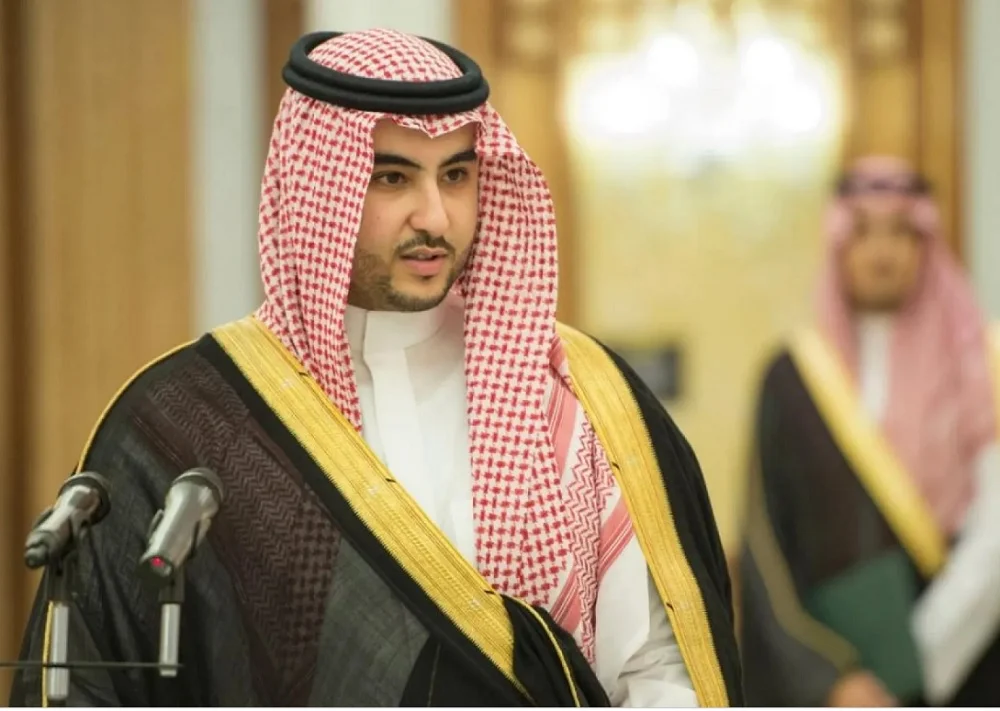
The diplomatic landscape of the Middle East witnessed a significant shift on Monday, October 26, 2026, as Saudi Arabia’s Minister of Defense, Prince Khalid bin Salman, led a high-level delegation to Tehran for pivotal discussions with Iranian President Masoud Pezeshkian. The visit, which occurred within the framework of the Makkah Joint Defense Agreement, marks a strategic effort to stabilize a region currently grappling with intense geopolitical volatility. The meeting brought together key regional players, including high-ranking officials from Turkey and Pakistan, signaling a collective desire to establish a framework for de-escalation and long-term security.
Context of the Makkah Joint Defense Agreement
The Makkah Joint Defense Agreement is a relatively recent but robust security architecture designed to foster cooperation among a diverse group of regional stakeholders. Historically, the security dynamics of the Middle East have been defined by competing spheres of influence, most notably between the Riyadh-Tehran axis. However, the formation of the Makkah bloc represents a paradigm shift, focusing on collective defense mechanisms, intelligence sharing, and the mitigation of proxy conflicts.
For Saudi Arabia, this engagement is part of a broader vision to transition from a policy of regional confrontation to one of active diplomacy. Since the initial thawing of relations between Riyadh and Tehran in 2023, facilitated by Chinese mediation, the two nations have sought to institutionalize their communication channels. The inclusion of the Makkah Joint Defense Agreement in these discussions elevates the bilateral dialogue to a multilateral platform, providing a buffer against sudden escalations.
The Tehran Summit: Key Participants and Agenda
Prince Khalid bin Salman’s arrival in Tehran was met with high-level protocol, underscoring the gravity of the mission. Alongside his meeting with President Pezeshkian, the Saudi Minister held critical sidebar consultations with the head of Turkish intelligence, Ibrahim Kalin, and the Chief of Army Staff of Pakistan, General Asim Munir. The presence of Mohsen Rezaei, the Secretary-General of Iran’s Supreme National Security Council, served to solidify the security-focused nature of the summit.
The agenda was primarily centered on de-escalation strategies. According to statements released by the Saudi Deputy Minister for Public Diplomacy, the core objective of the visit was to coordinate regional responses to ongoing security challenges. The participants evaluated the effectiveness of current communication hotlines and explored ways to ensure that localized conflicts do not spiral into wider regional confrontations.
Chronology of Regional Tensions
To understand the significance of this meeting, one must look at the timeline of events that necessitated such high-level intervention:
- March 2023: Saudi Arabia and Iran sign a landmark agreement in Beijing to restore diplomatic ties, reopening embassies and pledging to respect sovereignty.
- Late 2024–Early 2025: Regional security fluctuates as various non-state actors escalate activities, leading to concerns about the fragility of the Beijing-brokered deal.
- Mid-2026: The formalization of the Makkah Joint Defense Agreement provides a new structure for regional security cooperation, drawing in neighboring powers like Turkey and Pakistan as strategic partners.
- October 2026: The Tehran Summit is convened to address the mounting pressures on regional trade routes and energy security, which have been threatened by the persistent instability in the Red Sea and the Gulf.
The Role of Mediators: Qatar and Pakistan
While Saudi Arabia and Iran are the primary focus of the dialogue, the roles played by Qatar and Pakistan remain indispensable. Both nations have acted as honest brokers, utilizing their unique geopolitical positioning to maintain a balance between the competing interests of Tehran and Riyadh.
Pakistan’s participation, represented by General Asim Munir, highlights the importance of military-to-military diplomacy. By involving top-tier defense officials, the Makkah group ensures that political commitments are backed by operational security agreements. Qatar, meanwhile, has focused on the economic dimensions, advocating for the protection of regional energy infrastructure as a prerequisite for sustained peace.
Analytical Perspective: Implications for Regional Stability
The meeting in Tehran serves as a litmus test for the durability of the current detente. Analysts note that while the rhetoric from both Riyadh and Tehran has remained constructive, the presence of Turkey and Pakistan adds a layer of complexity—and stability. Turkey, with its significant military footprint and regional influence, provides a NATO-member perspective that can act as a bridge for broader international acceptance of the Makkah Agreement’s goals.
From a security perspective, the inclusion of the Supreme National Security Council of Iran suggests that the talks have moved beyond symbolic gestures into the realm of concrete intelligence sharing. If the Makkah members can successfully integrate their early warning systems and intelligence protocols, it would significantly reduce the likelihood of miscalculations—the primary trigger for modern Middle Eastern conflicts.
However, challenges remain. Skeptics point to the enduring influence of non-state actors and the ideological disparities that continue to define the internal policies of the nations involved. The success of this diplomatic initiative will ultimately depend on whether the commitments made in Tehran can be translated into policy on the ground, particularly in conflict zones where proxy influence has historically been dominant.
Official Statements and Future Outlook
The Saudi Deputy Minister for Public Diplomacy noted that the delegation’s visit is not a one-off event but rather a "sustained commitment to regional architecture." The focus remains on "de-escalation through dialogue," a phrase that has become the hallmark of the current administration’s foreign policy in Riyadh.
On the Iranian side, officials have been similarly guarded but optimistic. By hosting the Makkah bloc, Tehran is signaling a willingness to integrate more fully into a regional security framework, provided that its own security concerns regarding maritime borders and economic sanctions are addressed.
Looking forward, the global community is watching closely. Stability in the Middle East is vital for the global energy supply chain and international shipping. If the Makkah Joint Defense Agreement proves effective in managing the tensions between these regional powers, it could serve as a template for other conflict-prone regions in the Global South.
Conclusion: A New Era of Multilateralism
The meeting in Tehran is emblematic of a broader shift toward regional autonomy in security matters. By taking the initiative to resolve conflicts through the Makkah Joint Defense Agreement, the Middle Eastern powers are demonstrating a desire to manage their own affairs with minimal external interference. While the path to long-term stability is fraught with historical baggage and geopolitical hurdles, the presence of Saudi Arabia’s Defense Minister in Tehran is a powerful indicator that the appetite for war has been replaced by a pragmatic, albeit cautious, pursuit of peace.
As the international community reflects on these developments, the focus will shift to the implementation of the agreements discussed behind closed doors. Whether these talks will lead to a permanent ceasefire in regional hotspots or simply provide a temporary respite remains to be seen. However, for the citizens of the Middle East, the movement toward dialogue and collective defense offers a rare glimmer of hope for a future defined by economic integration and regional stability rather than the perpetual cycle of conflict. The upcoming months will be critical in determining whether this diplomatic outreach will endure the pressures of regional realpolitik or succumb to the same tensions that have plagued the area for decades.