A new and severe geopolitical flashpoint threatens to plunge global energy markets into unprecedented turmoil, as reports indicate Iran has instructed its Houthi allies in Yemen to prepare for the closure of the Bab el-Mandeb Strait. This strategic maritime chokepoint, situated at the western gateway to the Red Sea, would be blocked in retaliation if the United States were to launch attacks against Iran’s crucial electricity infrastructure. Such a move, following Iran’s ongoing disruptions in the Strait of Hormuz, promises to compound an already fragile global energy landscape, potentially sending world oil prices soaring to catastrophic levels and triggering widespread economic repercussions.
The Houthi movement, a powerful armed group in Yemen with significant backing from Tehran, has reportedly completed its preparations to deploy an arsenal of missiles and drones. These capabilities are intended to target and disrupt maritime traffic in the vicinity of Bab el-Mandeb, a critical passage connecting the Red Sea with the Gulf of Aden and the Indian Ocean beyond. Sources close to the group, speaking to Reuters, confirmed the advanced state of these readiness measures, underscoring the immediate and credible nature of the threat. The directive from the Islamic Republic’s leadership reportedly specifies that the closure should be initiated if Washington targets Tehran’s power generation facilities. This development follows a period where the US has reportedly engaged in disruptive actions against Iran’s state-owned electricity grid, with Arab media sources citing over 2,000 such incidents during prior periods of heightened tension, exerting significant pressure on the nation’s energy network.
The Strategic Significance of Global Maritime Chokepoints
To fully grasp the gravity of the Houthi threat, it is essential to understand the unparalleled strategic importance of the maritime chokepoints in question: the Bab el-Mandeb Strait and the Strait of Hormuz. These narrow passages are not merely shipping lanes; they are arteries through which the lifeblood of the global economy – particularly energy supplies – flows.
The Bab el-Mandeb Strait: A Critical Gateway
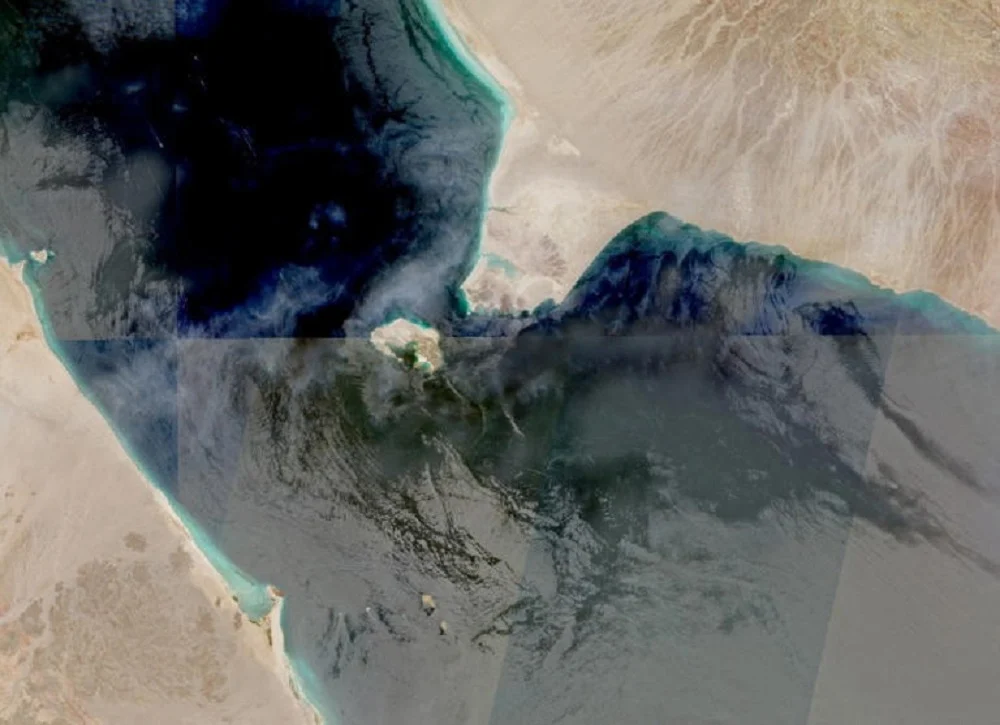
The Bab el-Mandeb, meaning "Gate of Tears" in Arabic, is a relatively narrow waterway, only about 18 miles (30 kilometers) wide at its narrowest point between Yemen on the Arabian Peninsula and Djibouti and Eritrea on the Horn of Africa. Its strategic importance cannot be overstated. It serves as the primary maritime link between the Indian Ocean and the Mediterranean Sea via the Suez Canal. Any disruption here forces ships to undertake a significantly longer and more expensive detour around the Cape of Good Hope at the southern tip of Africa.
Annually, an estimated 7% of the world’s total energy supply, primarily crude oil and refined petroleum products, transits through Bab el-Mandeb. This figure, while less than that of Hormuz, still represents a substantial volume, estimated to be around 4.8 million barrels per day (b/d) in recent years, according to the U.S. Energy Information Administration (EIA). Key exporters like Saudi Arabia, Iraq, Kuwait, and other Gulf states often use pipelines to bypass Hormuz and then load crude onto tankers in Red Sea ports, making Bab el-Mandeb their crucial outlet to global markets. Beyond energy, the strait is a vital conduit for container ships, bulk carriers, and other cargo vessels facilitating trade between Asia, Europe, and North America. Its closure would severely impact global supply chains, increasing shipping times, costs, and insurance premiums, thereby contributing to inflationary pressures worldwide.
The Strait of Hormuz: The World’s Foremost Oil Chokepoint
East of the Arabian Peninsula, connecting the Persian Gulf to the Gulf of Oman and the Arabian Sea, lies the Strait of Hormuz. This is arguably the world’s most critical oil chokepoint, with approximately one-fifth of the world’s total petroleum consumption, or about 21 million b/d of crude oil and other liquids, passing through it daily. This includes nearly all oil exports from Saudi Arabia, Iran, Iraq, Kuwait, Qatar, and the UAE. Furthermore, it is a key route for liquefied natural gas (LNG) from Qatar, the world’s largest LNG exporter.
Iran has a long history of threatening to close or disrupt traffic in the Strait of Hormuz during periods of heightened international pressure or sanctions. Indeed, the article explicitly states that Iran "has declared that the Strait of Hormuz… has been closed, and has fired upon several vessels attempting to pass through it." This prior action sets a dangerous precedent, demonstrating Tehran’s willingness to use maritime chokepoints as leverage in geopolitical disputes. The cumulative effect of disrupting both Hormuz and Bab el-Mandeb would be catastrophic, effectively sealing off major energy flows from the Middle East to global markets and creating an unprecedented energy crisis.
The Houthi Movement: Iran’s Proxy in Yemen
The Ansar Allah movement, commonly known as the Houthis, is a Zaidi Shia Islamist political and military organization that emerged in northern Yemen in the 1990s. They gained prominence through their opposition to the government of Ali Abdullah Saleh and, since 2014, have been the dominant force in the ongoing Yemeni Civil War. The group controls the capital, Sana’a, and much of northern Yemen, including strategic coastal areas along the Red Sea.
The Houthis are widely regarded as a proxy force for Iran, receiving financial, military, and logistical support from Tehran. This relationship is a cornerstone of Iran’s regional strategy, allowing it to project influence and challenge adversaries like Saudi Arabia and the United States without direct military confrontation. The Houthis’ military capabilities have significantly advanced with Iranian assistance, now including a range of ballistic missiles, cruise missiles, and sophisticated unmanned aerial vehicles (UAVs) or drones. These weapons have been used in numerous attacks against Saudi Arabian targets, including oil infrastructure and airports.
Just recently, on Monday, July 13, 2026, the Houthis escalated regional tensions by firing missiles into Saudi Arabia, alleging that the Saudi-led coalition had bombed an airport under Houthi control. This action effectively shattered a fragile four-year ceasefire, highlighting the group’s continued assertiveness and willingness to engage in military action. Their demonstrated ability to strike targets hundreds of miles away makes the threat to shipping in Bab el-Mandeb highly credible. The narrowness of the strait, coupled with the Houthi’s control over significant stretches of the Yemeni coastline bordering it, provides them with a geographic advantage to execute such a blockade using their growing arsenal.
Escalating US-Iran Tensions: The Underlying Friction
The current threat unfolds against a backdrop of decades of animosity and distrust between the United States and Iran. The relationship has been characterized by periods of intense confrontation, proxy wars, and economic sanctions. Key points of friction include Iran’s nuclear program, its ballistic missile development, and its support for regional proxy groups like the Houthis, Hezbollah in Lebanon, and various Shia militias in Iraq.
The mention of the US "hitting more than 2,000 targets along the state-owned electricity grid of Iran" during "previous attacks" is particularly revealing. While the nature of these "attacks" is not explicitly detailed in the original source, it most likely refers to sophisticated cyber operations or other forms of disruptive actions aimed at pressuring the Iranian regime. Such actions, if confirmed, would represent a significant escalation in the undeclared cyber warfare between the two nations, targeting critical national infrastructure. Iran views attacks on its electricity grid as a severe provocation, potentially impacting its civilian population and industrial capacity, thus warranting a robust and asymmetrical response through its proxies.
The implicit timeline suggests a dangerous cycle: US pressure on Iran’s infrastructure (potentially cyber attacks) triggers an Iranian-orchestrated retaliatory threat via the Houthis against global shipping. This tit-for-tat escalation strategy highlights the volatile nature of the US-Iran rivalry and the potential for regional conflicts to spill over into global economic crises.
Potential Implications and Analysis
The prospect of a dual blockade, or even a single blockade of Bab el-Mandeb, carries profound and far-reaching implications across multiple sectors.
Global Energy Markets and Economic Impact:
The most immediate and severe impact would be on global energy prices. With both the Strait of Hormuz and potentially Bab el-Mandeb disrupted, a significant portion of the world’s crude oil, refined products, and LNG supply would be either halted or rerouted. This would create an acute supply shock far exceeding past disruptions.
- Oil Price Spike: Oil prices could surge dramatically, potentially reaching triple digits well above current levels, reminiscent of the 1973 oil crisis or the 1990 Gulf War, or even exceeding them due to the unprecedented nature of a dual chokepoint closure. Historical data shows that even minor disruptions in the Middle East can trigger significant price volatility. For instance, the 2019 drone attacks on Saudi Aramco facilities briefly halved the kingdom’s oil production and sent prices soaring by nearly 15% in a single day. A Bab el-Mandeb closure would be far more sustained and impactful.
- Inflationary Pressures: Higher energy costs would translate directly into increased costs for transportation, manufacturing, and consumer goods, fueling global inflation. Central banks, already grappling with post-pandemic economic challenges, would face immense pressure.
- Supply Chain Disruption: Shipping routes would be forced to lengthen, adding weeks to transit times around the Cape of Good Hope. This would tie up vessels, increase fuel consumption, and lead to significant delays in the delivery of goods worldwide, exacerbating existing supply chain fragilities.
- Insurance Costs: War risk insurance premiums for vessels operating in the Red Sea and Gulf of Aden would skyrocket, making shipping through these regions economically unviable for many, even if a passage were theoretically possible.
Regional Stability and Geopolitical Ramifications:
The closure of Bab el-Mandeb would transform the Red Sea and Gulf of Aden into a highly militarized zone, increasing the risk of direct conflict.
- Military Escalation: Naval forces from the United States, Europe, and other international powers, already present in the region for anti-piracy operations, would likely increase their presence to protect freedom of navigation. This raises the specter of direct confrontation with Houthi forces or even Iranian assets.
- Yemeni Civil War: The threat would further entrench the Houthis’ position and complicate any peace efforts in Yemen, drawing more international attention and potentially resources into the conflict.
- Impact on Regional States: Countries bordering the Red Sea, such as Egypt (which relies heavily on Suez Canal revenues), Saudi Arabia, Jordan, and Sudan, would face severe economic and security challenges. Djibouti, hosting several foreign military bases, would find its strategic importance amplified but also its vulnerability increased.
Statements and Reactions (Inferred):
While no official statements beyond the initial reporting were provided, a logical inference of reactions from various parties can be drawn:
- Iran: Official Iranian spokespersons would likely issue statements reiterating their nation’s right to self-defense against "foreign aggression" and warning against any further "provocative actions" by the United States. They would likely frame the Houthi threat as a natural consequence of US pressure, emphasizing that the ball is in Washington’s court to de-escalate.
- Houthi Movement: Houthi leaders would probably release statements confirming their readiness to act in solidarity with Iran and to defend "regional sovereignty" against "imperialist aggression." They would likely portray their potential actions as a legitimate response to perceived threats against their allies and their region.
- United States: The US Department of State and the Pentagon would likely issue strong condemnations of the Houthi threat, asserting the principle of freedom of navigation as a cornerstone of international law. They would warn Iran and the Houthis against any actions that would jeopardize global commerce and regional stability, signaling a readiness to protect US interests and allies, potentially through increased naval presence or other defensive measures.
- International Maritime Organization (IMO) and United Nations (UN): These international bodies would likely express grave concern, calling for immediate de-escalation and respect for international maritime law. The UN Secretary-General might issue a statement urging all parties to exercise restraint and pursue diplomatic solutions to prevent a global crisis.
- Oil Market Analysts and Industry Bodies: Energy analysts would be scrambling to assess the potential impact, providing forecasts of price spikes and supply disruptions. Major oil companies and shipping associations would issue advisories to their members, potentially recommending contingency plans, including rerouting vessels and securing alternative energy sources.
Conclusion: A Looming Global Crisis
The Houthi threat to close the Bab el-Mandeb Strait, orchestrated by Iran in response to potential US attacks on its energy infrastructure, represents a critical juncture in international relations. It underscores the fragility of global energy security and the interconnectedness of regional conflicts with worldwide economic stability. The double jeopardy of potential disruptions in both Hormuz and Bab el-Mandeb creates a scenario with potentially unprecedented consequences for global trade, energy prices, and geopolitical stability.
As the world watches for further developments, the imperative for diplomatic engagement and de-escalation from all parties involved becomes paramount. The alternative is a descent into an economic and geopolitical crisis that could reverberate for years, impacting billions of lives and challenging the resilience of the global economic system. The "Gate of Tears" indeed stands poised to live up to its name, threatening to usher in a period of profound global distress if these threats are actualized.