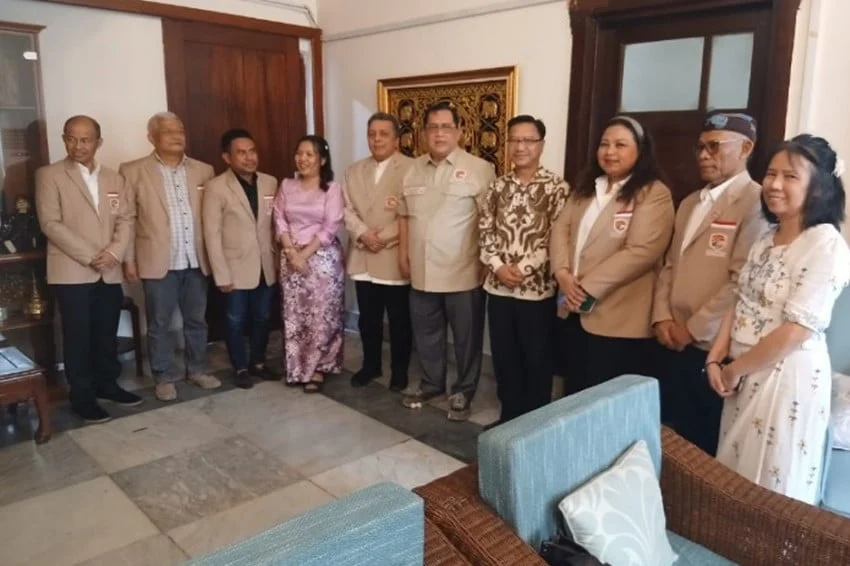
The landscape of regional mini-football is set to expand significantly as Myanmar officially confirmed its participation in the upcoming Asia Mini Football Championship, scheduled to be held in Jakarta in January 2027. This development was formalized during a high-level diplomatic and sporting exchange on Tuesday, September 22, 2026, when representatives of the Komite Sepakbola Mini Indonesia (KSMI) met with officials from the Embassy of Myanmar in Jakarta. With this commitment, Myanmar becomes the 13th nation to secure its place in the tournament, signaling a robust growth in the reach and competitive caliber of the continental event.
Diplomatic Engagement and Formal Confirmation
The confirmation was delivered during an official audience at the Embassy of Myanmar located on Jalan H. Agus Salim, Jakarta. The meeting served not only as a venue for tournament logistics but also as a platform for strengthening bilateral ties through the medium of sports. Representing the Myanmar government, Head of Mission Mang Hau Thang formally accepted the invitation extended by the Indonesian organizers. He was joined by a distinguished delegation from the Embassy, including Counsellor Shwe Yi Phyo, First Secretary San Nyunt Aung, and Chief of Chancery Htet Htet Aung.
On the Indonesian side, the KSMI delegation was led by its Chairman, Yan Mulia Abidin. The committee included prominent figures in the local sports scene, such as Tundra Meliala, Moko Pamungkas, Meina Paloh, M. Iksan Tauleka, Dudung Abdul Rachman, and Marino. The presence of such a high-level delegation underscores the significance the KSMI places on the inclusion of Myanmar in the tournament, viewing it as a vital step in cementing the Championship’s status as a premier regional event.
Tundra Meliala, serving as the Vice Chairman for Media and Technology at KSMI, played a pivotal role in the negotiation process. During the dialogue, Meliala emphasized that the invitation was part of a broader strategy to ensure that the 2027 championship represents the highest level of competitive mini-football in Asia. Mang Hau Thang’s positive response reflected the growing interest among Southeast Asian nations to foster grassroots and semi-professional football development, recognizing mini-football as an accessible and highly engaging discipline.
The Evolution of the Asia Mini Football Championship
Mini-football, characterized by its smaller pitch dimensions, fewer players, and high-intensity gameplay, has seen a surge in popularity across the Asian continent over the past decade. The Asian Mini Football Championship is the flagship tournament designed to bring together the best talent from various national leagues.
The trajectory of this championship has been marked by steady growth. Previous iterations have seen the participation of countries across Southeast Asia, South Asia, and the Middle East, each contributing to a unique style of play. The 2026 edition, hosted in Jakarta, served as a crucial precursor to the 2027 event, establishing a blueprint for international cooperation. In that tournament, ten nations competed, with the Indonesian national team demonstrating significant progress by opening their campaign with a decisive victory. This momentum has been a driving force for the KSMI, which has been working tirelessly to ensure that the 2027 edition surpasses previous benchmarks in terms of organization, viewership, and competitive intensity.
Strategic Implications and Regional Development
The inclusion of Myanmar as the 13th participant carries profound implications for the sport. First, it increases the diversity of playing styles within the championship. Myanmar’s football culture, which has historically prioritized technical skill and stamina, is expected to bring a challenging tactical dimension to the Jakarta tournament.
Second, the involvement of the Embassy of Myanmar highlights the role of "sports diplomacy." In an era where international relations are often strained by complex political dynamics, sporting events provide a neutral ground for nations to engage in constructive dialogue. By participating in a tournament hosted in Indonesia, Myanmar is signaling its commitment to regional integration and cultural exchange.
For Indonesia, hosting the tournament is a strategic move to boost the domestic sports economy. The influx of international teams, media personnel, and fans is expected to stimulate local tourism and sports-related infrastructure. Furthermore, the championship serves as a catalyst for the development of sports technology and media infrastructure in Indonesia, as noted by the specific responsibilities of the KSMI’s media and technology division.
Challenges and Future Outlook
Organizing a continental tournament of this magnitude requires meticulous planning. The KSMI faces the challenge of managing logistical requirements for thirteen participating nations, including visa processing, team accommodation, and ensuring that playing facilities meet international standards.
The growth of mini-football in Asia is not without its hurdles. Unlike the traditional 11-a-side format, which is heavily regulated by global bodies, mini-football is still in a phase of establishing standardized global regulations. However, the success of the Asia Mini Football Championship is proving that there is a sustainable demand for the format. With 13 teams already confirmed for 2027, the committee is now looking toward finalizing the tournament bracket and scheduling, as well as securing broadcasting partnerships that can bring the games to millions of viewers across the continent.
The tournament is expected to serve as a showcase for the "next generation" of football talent. Many players in the mini-football circuit are often those who have transitioned from professional or semi-professional 11-a-side backgrounds, providing a high-quality experience for spectators. The fast-paced nature of the game, combined with the smaller pitch, ensures that matches are high-scoring and tactical, making them ideal for modern sports broadcasting.
Promoting Grassroots Connectivity
Beyond the professional competition, the KSMI has repeatedly emphasized that the championship is about community building. The event is designed to bridge the gap between amateur enthusiasts and professional athletes. Through workshops, coaching clinics, and cultural exchange programs scheduled to run concurrently with the tournament, the organizers hope to leave a lasting impact on the local sports ecosystem.
The partnership with the Myanmar Embassy is a testament to this grassroots approach. By involving diplomatic channels, the KSMI ensures that the tournament has the institutional backing necessary to thrive. As the countdown to January 2027 begins, the committee is expected to announce further partnerships and the final roster of participating nations.
Conclusion
The confirmation of Myanmar’s participation in the 2027 Asia Mini Football Championship in Jakarta is a landmark event that validates the growing stature of mini-football in Asia. Through the combined efforts of the KSMI and the diplomatic support of participating embassies, the tournament is positioning itself as a cornerstone of the regional sporting calendar. As Indonesia prepares to welcome the international community once again, the focus will remain on the spirit of competition, the development of the sport at all levels, and the fostering of enduring connections between the nations of Asia.
The success of this endeavor will likely influence future investments in mini-football infrastructure across the region. With thirteen nations now locked in, the stage is set for a tournament that promises to be not only a display of athletic prowess but also a celebration of unity and international cooperation in the heart of Jakarta. As the administrative work continues, the global sporting community will be watching closely to see how this vibrant discipline continues to evolve on the Asian stage.