
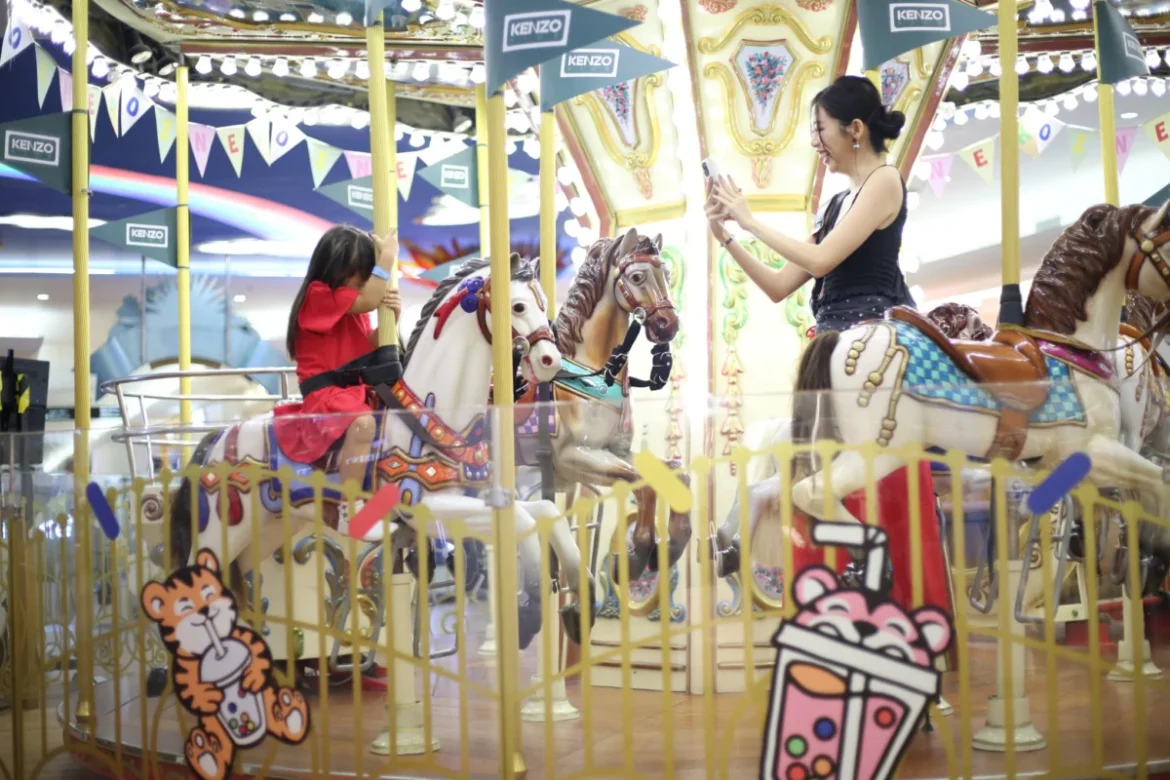
The transformation of the high-end retail landscape in Jakarta has reached a new milestone as KENZO Kids, under the management of the Bimbi Group, unveils its latest immersive activation, the Kawaii Carnival. Located in the heart of the city at Plaza Indonesia, the event is timed to coincide with the festivities of National Children’s Day, serving as a strategic intersection where fashion, creativity, and family-centric experiences converge. This initiative reflects a growing trend in the luxury sector where retail spaces are no longer merely transactional hubs but have evolved into experiential destinations designed to foster emotional connections between brands and consumers.
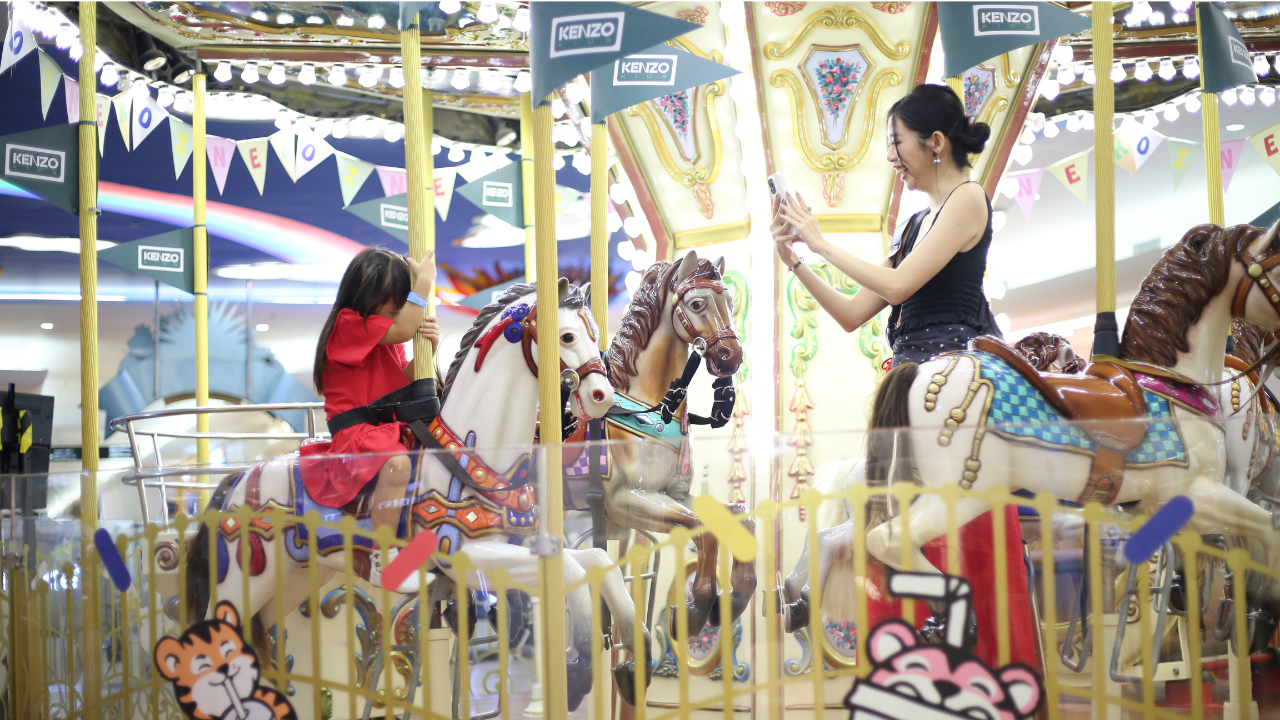
In an era where urban families navigate increasingly demanding schedules, the concept of quality time has become a prized commodity. Recognizing this shift, KENZO Kids has reimagined its boutique environment to serve as a multisensory playground. The Kawaii Carnival activation effectively dissolves the traditional boundaries of a clothing store, replacing them with a vibrant atmosphere filled with interactive elements such as a functional carousel, a mini train, creative activity corners, and gashapon machines. This approach allows children to engage in exploration and play while parents navigate the latest collections in a relaxed, communal setting.
The Evolution of Experiential Retail in the Luxury Kids’ Segment
The launch of the Kawaii Carnival highlights a significant pivot in how premium brands approach the Indonesian market. For over 13 years, the Bimbi Group has curated a portfolio of international luxury children’s brands, witnessing firsthand the transition from traditional storefronts to "retailtainment" hubs. By integrating a partnership with local artisanal brand Frutta Gelato into the event, KENZO Kids is appealing to the sensory preferences of its young audience, ensuring that the brand experience is associated with joy and discovery rather than just the acquisition of goods.
Industry analysts suggest that experiential retail is particularly effective in the children’s sector because it addresses the inherent needs of the primary "influencer"—the child—while satisfying the aesthetic and convenience requirements of the "purchaser"—the parent. In the context of National Children’s Day, which is officially observed in Indonesia on July 23rd, such activations resonate deeply with the cultural emphasis on child welfare and the celebration of the younger generation’s potential.
Deep Dive into the Spring-Summer 2026 Happy Sweet Collection
Central to the Kawaii Carnival is the debut of the KENZO Kids Spring-Summer 2026 collection, titled "Happy Sweet." This collection represents a sophisticated synthesis of the brand’s historical DNA and contemporary pop culture influences. The creative direction for the season draws heavily from the legacy of the late Kenzo Takada, the brand’s founder, who was renowned for his "joie de vivre" (joy of living) philosophy. This foundational spirit has been revitalized by the current Artistic Director, Nigo, who has infused the line with a distinct Japanese "kawaii" aesthetic and modern streetwear sensibilities.
The Happy Sweet collection is characterized by several key design pillars:
- Color Palette: A bold juxtaposition of high-energy neon tones and soft pastel hues creates a visual rhythm that is both playful and fashionable.
- Graphic Language: The collection features whimsical illustrations of snacks and treats rendered in a kawaii style, evoking a sense of childhood nostalgia while maintaining a high-fashion edge.
- Silhouettes: Drawing from classic American streetwear, the garments offer relaxed fits that prioritize mobility—essential for the active lifestyle of children—without compromising on structural integrity or style.
- Detailing: The use of color-blocking and intricate embroidery reflects the craftsmanship expected of a premium fashion house, ensuring that each piece serves as both a functional garment and a work of art.
Historical Context and Brand Synergy
The collaboration between Nigo and the heritage of KENZO has been a focal point of the brand’s recent resurgence. Since his appointment, Nigo has successfully bridged the gap between the avant-garde spirit of 1970s Paris and the vibrant street culture of modern Tokyo. For KENZO Kids, this translates into a collection that feels relevant to the "Generation Alpha" demographic, which is growing up in a highly visual and digitally connected world.
The "Happy Sweet" theme is more than just an aesthetic choice; it is a reflection of the brand’s commitment to fostering curiosity and freedom of expression. By utilizing the Kawaii Carnival as a launch platform, the Bimbi Group is reinforcing the idea that fashion is a medium through which children can explore their identities and interact with the world around them.
National Children’s Day: A Catalyst for Community Engagement
The timing of the event is highly strategic. National Children’s Day in Indonesia was established to raise awareness about the rights and development of children. In recent years, private sector involvement in these celebrations has increased, with brands seeking to align their corporate values with social milestones. KENZO Kids’ decision to host a carnival-themed event at Plaza Indonesia serves as a tribute to this national observance, positioning the brand as a participant in the local cultural fabric.
Furthermore, the event serves as a platform for community building. By providing a space where families can gather and share experiences, the brand moves beyond the role of a vendor and becomes a facilitator of memories. This is a critical component of brand loyalty in the luxury segment, where the emotional resonance of a purchase often outweighs its utilitarian value.
Market Analysis: The Premium Kids’ Fashion Landscape in Indonesia
The Indonesian luxury market has shown remarkable resilience and growth, particularly in the children’s apparel segment. As the middle and upper-class populations continue to expand, there is an increasing demand for international brands that offer a combination of quality, status, and unique design. The Bimbi Group’s 13-year tenure in this market has allowed them to understand the nuances of Indonesian consumer behavior, which often prioritizes family-oriented activities and high-quality physical retail experiences.
The integration of local elements, such as the Frutta Gelato partnership, demonstrates a localized approach to global branding. This "glocal" strategy—combining global brand prestige with local cultural touchpoints—is a proven method for maintaining relevance in diverse markets. The Kawaii Carnival serves as a case study in how international luxury houses can successfully navigate the Indonesian retail environment by creating value-added experiences that go beyond the product itself.
The Role of Play in Brand Identity
From a psychological perspective, the inclusion of play in a retail environment is a powerful tool for brand association. For a child, the "Happy Sweet" collection becomes synonymous with the excitement of the mini train or the surprise of the gashapon machine. For the parent, the brand represents a source of happiness for their child and a stress-free shopping experience.
This multisensory approach—engaging sight through vibrant fashion, touch through interactive play, and taste through artisanal gelato—creates a holistic brand memory. In the long term, these positive associations are what differentiate a heritage brand like KENZO from its competitors. The focus on "imagination" and "energy," as highlighted in the collection’s promotional materials, aligns with the developmental milestones of children, making the brand feel like a partner in their growth.
Future Implications for the Retail Sector
The success of the KENZO Kids Kawaii Carnival at Plaza Indonesia is likely to influence future retail strategies across the region. As digital shopping continues to offer convenience, physical stores must provide something that cannot be replicated online: physical presence and social interaction.
Looking ahead to the remainder of 2026 and into the next fashion cycle, it is expected that more luxury brands will adopt this "experience-first" model. The Bimbi Group’s management of the KENZO Kids portfolio suggests a future where fashion boutiques function as community centers, art galleries, and playgrounds simultaneously.
The Happy Sweet collection, with its emphasis on curiosity and the joie de vivre, sets a high bar for the Spring-Summer season. It challenges the industry to move away from static displays and toward dynamic, living environments that celebrate the essence of childhood.
Conclusion: A Legacy of Joy and Design
Ultimately, the Kawaii Carnival is a celebration of the simple yet profound experiences that define childhood. By transforming a boutique into a world of color and movement, KENZO Kids and the Bimbi Group have provided a meaningful gift for National Children’s Day: the opportunity for families to pause, play, and create lasting stories together.
As the "Happy Sweet" collection makes its way into the wardrobes of young fashion enthusiasts, it carries with it the spirit of Kenzo Takada and the modern vision of Nigo. It stands as a reminder that in the world of high fashion, the most valuable luxury is the freedom to imagine and the joy of a shared moment. Through this initiative, KENZO Kids confirms its position not just as a leader in children’s fashion, but as a brand that understands the heart of the family experience in the modern urban landscape.
