

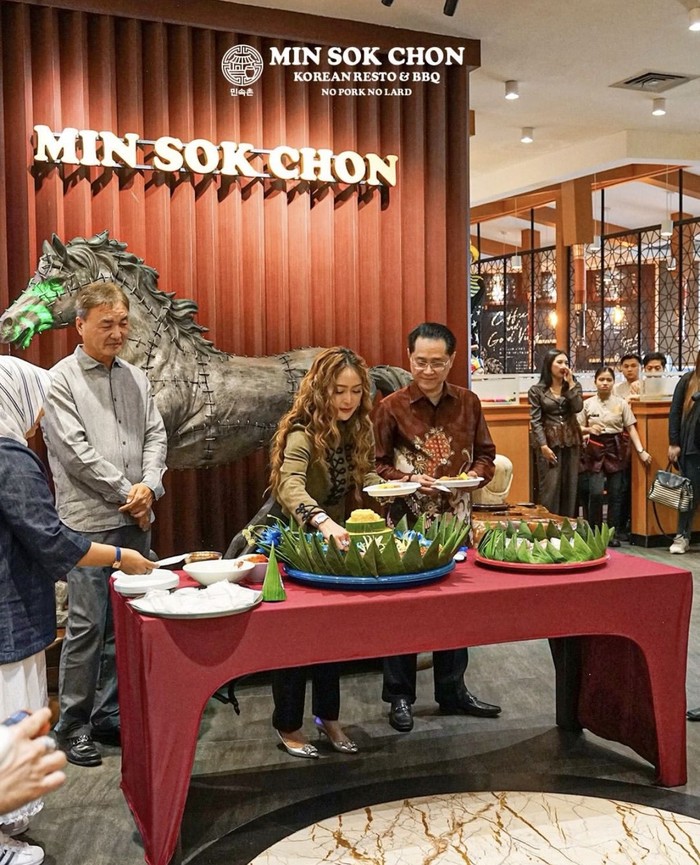
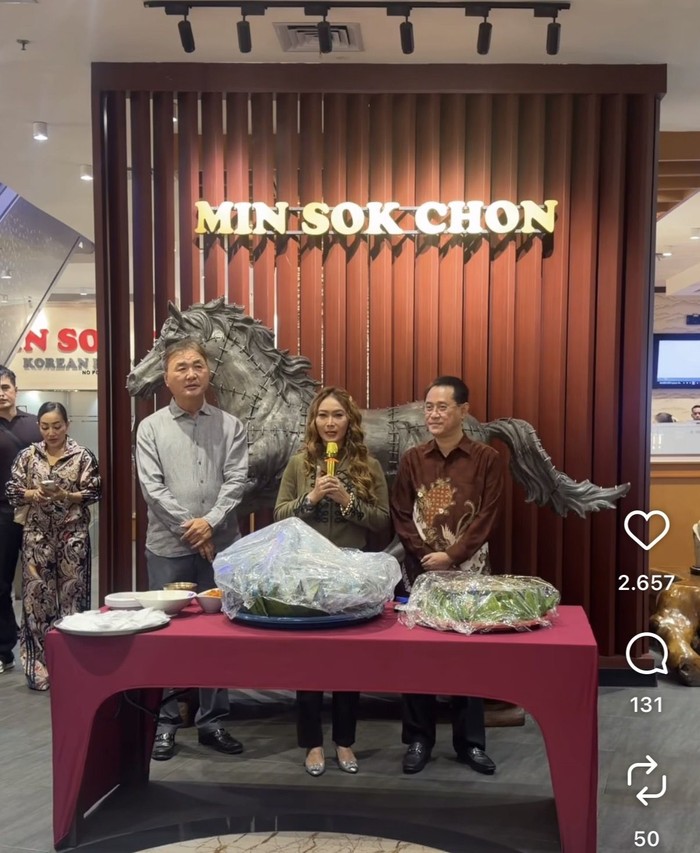
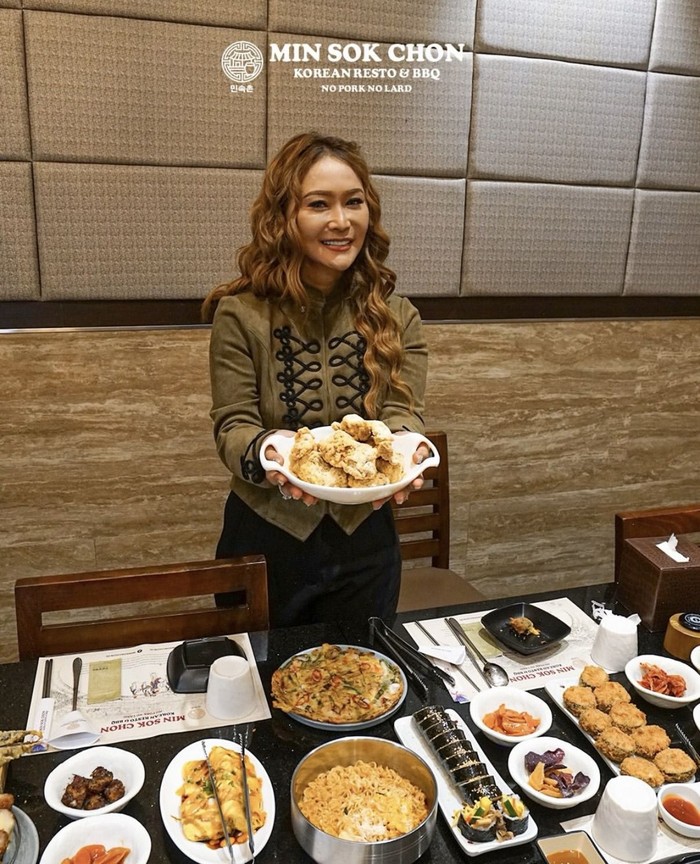
Inul Daratista, one of Indonesia’s most prominent dangdut singers and successful entrepreneurs, has once again captured the public’s attention, this time through her expanding footprint in the culinary industry. Beyond her high-profile musical career, the singer has cultivated a reputation as a passionate foodie and a strategic business owner. Her recent inauguration of a new Korean restaurant, Min Sok Chon, located at Central Park Mall 2 in West Jakarta, marks a significant milestone in her portfolio, signaling her commitment to providing authentic, halal-certified international dining experiences to the Indonesian market.

The Intersection of Entertainment and Entrepreneurship
For decades, Inul Daratista has dominated the Indonesian entertainment landscape, balancing rigorous touring schedules with a burgeoning business empire. However, her Instagram feed has increasingly transitioned from exclusively musical updates to a curated look at her culinary explorations. This shift reflects a broader trend among Indonesian celebrities who are leveraging their personal brands to enter the food and beverage (F&B) sector.
The transition from performer to restaurateur is not merely a hobby for Inul; it is a calculated business move. Industry analysts suggest that celebrities with large, engaged followings—Inul currently boasts millions of followers—are uniquely positioned to reduce the high marketing costs typically associated with launching new restaurant concepts. By documenting her own culinary journey—from savoring local delicacies in Tegal to testing recipes in her home kitchen—she creates a narrative of authenticity that resonates with her audience.

The Launch of Min Sok Chon: A Strategic Market Entry
The opening of Min Sok Chon is particularly noteworthy given the rising popularity of Korean culture (the "Hallyu Wave") in Indonesia. While many Korean restaurants exist in the capital, the challenge often lies in bridging the gap between authenticity and local dietary requirements, specifically the need for halal-certified options.
Min Sok Chon addresses this by offering a menu that focuses on "comfort food" and traditional Korean barbecue while maintaining strict adherence to halal standards. To ensure the authenticity of the flavors, Inul has taken the professional step of bringing in culinary experts directly from South Korea. This strategy is essential for high-end or specialized dining, as it mitigates the risk of "fusion fatigue" and ensures that the dining experience remains true to its cultural roots. The interior design of the establishment, described as classic Korean, further enhances the immersive experience, providing a thematic environment that extends beyond just the meal itself.
A Chronology of Culinary Involvement
Inul’s journey into the food industry did not begin with her latest venture. She has previously established several culinary businesses, most notably "Dapur Jenk Minul," which focuses on traditional Indonesian dishes. Her social media archives reveal a long-standing interest in domestic labor and cooking; she frequently shares footage of herself preparing elaborate meals, ranging from traditional delicacies like Rawon (a dark beef soup) to baking complex cakes for special occasions.
This hands-on approach is a hallmark of her business management style. Unlike some celebrity owners who merely lend their names to a brand, Inul is frequently seen engaging with the production process. For instance, her collaboration with Chef Firhan, an alumnus of MasterChef Indonesia, to explore high-end seafood dining in Tegal, demonstrates her interest in professional culinary standards. These experiences appear to have informed her approach to managing her own kitchens, where she emphasizes quality control and a deep understanding of the supply chain.

Market Trends: The Rise of Celebrity-Led F&B Ventures
The Indonesian F&B sector has witnessed a surge in celebrity-backed ventures. According to market data from the Indonesian Retailers Association (APRINDO), the lifestyle dining segment is expected to grow by 7-9% annually through 2030, driven by the expanding middle class and a younger demographic that values "Instagrammable" dining experiences.
Inul’s entry into this space is timely. By diversifying her income streams, she protects her financial stability against the volatility of the entertainment industry. Furthermore, by investing in a brick-and-mortar restaurant in a premium location like Central Park Mall, she signals a level of institutional confidence that distinguishes her from smaller, pop-up celebrity ventures. This long-term commitment to a physical establishment suggests a desire to build legacy assets that can function independently of her personal fame.
Operational Excellence and Quality Assurance
One of the primary challenges in the celebrity restaurant model is maintaining consistency. Inul has addressed this by focusing on talent acquisition—specifically, importing chefs from Korea—and leveraging her existing infrastructure from her previous ventures.
The importance of the "halal" designation in the Indonesian market cannot be overstated. With the majority of the population identifying as Muslim, obtaining and maintaining halal certification is the single most critical factor for success in the mid-to-high-end restaurant category. By prioritizing this, Min Sok Chon positions itself to capture a wide demographic, from families seeking a safe dining option to the growing community of K-drama fans looking for an accessible, authentic experience.
Broader Economic Implications
The economic footprint of such ventures extends beyond the restaurant itself. When a celebrity of Inul’s stature opens a business, it creates a ripple effect in local employment and supply chain demands. The restaurant sector is labor-intensive, and the creation of jobs in the West Jakarta area, combined with the sourcing of ingredients—which often involves local farmers and distributors—contributes positively to the local economy.
Moreover, the success of Min Sok Chon could serve as a case study for other artists. If the model proves sustainable, it may encourage a more professionalized approach to celebrity F&B investments, where the focus shifts from short-term promotional gain to long-term operational success. The integration of culinary arts into her brand profile also helps to humanize her public persona, moving her away from the one-dimensional "dangdut singer" label and towards that of a multifaceted businesswoman.
Future Prospects and Sustained Growth
As Inul Daratista continues to balance her musical commitments with her entrepreneurial aspirations, the trajectory of her culinary career will be worth monitoring. The restaurant industry is notoriously competitive, with high failure rates in the first three years. However, Inul possesses two advantages that many entrepreneurs lack: a captive audience of millions and a demonstrated willingness to learn the technical aspects of the trade, as evidenced by her active involvement in the kitchen and her commitment to authentic staffing.
Looking ahead, the potential for expansion or franchising remains a logical next step for the Min Sok Chon brand. If the quality of the food and the consistency of the service can be maintained, there is no reason why the brand could not scale to other major cities across Indonesia.
In conclusion, Inul Daratista’s evolution from a cultural icon to a serious F&B entrepreneur is a testament to her adaptability and business acumen. By bridging the gap between international culinary trends and local cultural requirements, she is not only satisfying a personal passion but is also contributing to the vibrant, growing landscape of the Indonesian hospitality sector. Her journey serves as a reminder that for many of today’s entertainers, the stage is only one of many platforms where they can leave a lasting impact on the public. Whether she is performing for thousands or overseeing the kitchen at Min Sok Chon, her focus remains on delivering an experience that resonates with her fans, effectively cementing her status as a pillar of both Indonesian entertainment and, increasingly, the national culinary industry.
