
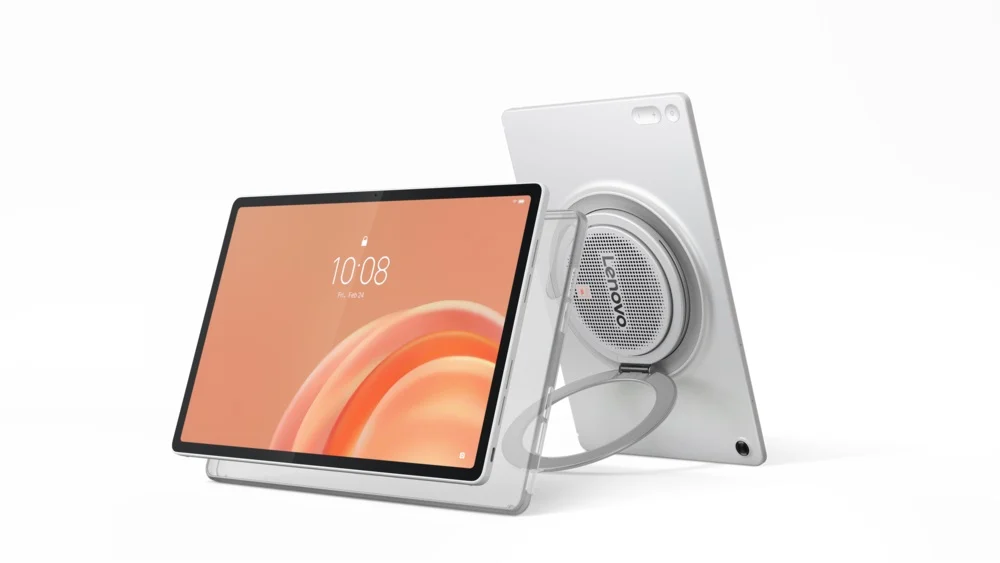
Lenovo has officially expanded its footprint in the Indonesian consumer electronics market with the local launch of the Lenovo Tab Plus Gen 2. This device represents a strategic shift in Lenovo’s mobile division, focusing specifically on the burgeoning demand for high-fidelity mobile entertainment. By integrating a sophisticated JBL 9-unit Pro Speaker System with a high-resolution 12.1-inch 2.5K display, the company aims to bridge the gap between portable tablets and dedicated home cinema setups. The launch comes at a time when the global tablet market is increasingly segmented into productivity-focused devices and media-consumption-centric hardware, with Lenovo positioning the Tab Plus Gen 2 firmly in the latter category.
The Evolution of the Lenovo Tab Series
The journey of the Lenovo Tab series reflects the broader evolution of the tablet industry. Initially perceived as a middle ground between smartphones and laptops, tablets have struggled to find a unique identity. Lenovo’s strategy for the Tab Plus line has been to move away from the "all-rounder" philosophy and toward "specialist" hardware. The first generation of the Tab Plus was met with positive reception for its audio capabilities, but the Gen 2 iteration marks a significant leap in both acoustic engineering and display technology.
Industry analysts note that this release follows a trend observed throughout 2025 and 2026, where consumers are spending more time consuming streaming media, high-bitrate audio, and cloud-based gaming on mobile devices. Lenovo’s decision to prioritize the acoustic architecture—the JBL 9-unit system—is a calculated response to the feedback loop of their user base, which consistently ranked audio quality as the primary factor in device satisfaction.
Acoustic Engineering: The JBL 9-Unit Pro Speaker System
The centerpiece of the Lenovo Tab Plus Gen 2 is undoubtedly its audio hardware. Unlike standard tablets that utilize dual or quad-speaker setups, the Gen 2 incorporates a 9-unit speaker system located on the rear chassis. This configuration is not merely for volume; it is designed to mimic the soundstage of a desktop speaker system.
The integration of Dolby Atmos, coupled with Lenovo’s proprietary tuning, allows the device to produce sound pressure levels approximately 2.5 times louder than the previous model, with a 1.8x increase in overall system power output. This is a critical development for users who frequently consume media in environments where external speakers are unavailable. Furthermore, the tablet’s ability to act as a standalone Bluetooth speaker—effectively turning the tablet into a dedicated audio output device for a smartphone—positions it as a versatile tool for social settings, home offices, or bedside entertainment. The system’s flexibility is bolstered by Dolby Audio software, which offers dynamic presets for movies, music, and voice-heavy content like podcasts.
Display Specifications and Visual Fidelity
While the audio capabilities draw immediate attention, the visual performance of the Tab Plus Gen 2 is equally noteworthy. The device features a 12.1-inch LCD panel with a resolution of 2.5K. In an era where OLED is becoming common in premium tablets, Lenovo has opted for a high-performance LCD that prioritizes brightness and longevity, crucial for the tablet’s intended use as an all-day media companion.
The display boasts a 120Hz refresh rate, ensuring that animations and UI transitions remain fluid. Beyond the technical specifications, the integration of Dolby Vision and HDR10 support ensures that content mastered for high dynamic range is displayed with appropriate contrast and color depth. Perhaps the most practical feature for the Indonesian market—where ambient light levels can be high—is the High Brightness Mode, which peaks at 800 nits. This level of luminosity ensures that the screen remains legible under direct sunlight, a common pain point for tablet users in tropical climates.
Ergonomic Design and Utility
Lenovo has moved away from the standard "slate" design by incorporating a 360-degree rotating kickstand. This hardware feature, while simple in concept, fundamentally changes the ergonomics of a 12-inch device. The kickstand facilitates four distinct modes:
- Lean Mode: Optimized for casual viewing while the device is placed on a flat surface.
- Theater Mode: Angled for eye-level consumption on tables or desks.
- Stand Mode: Designed for vertical or high-angle viewing, useful for video calls or digital recipe reading.
- Hanging Mode: A unique configuration that allows the tablet to be suspended, catering to users who want to watch content while multitasking in kitchens or workshops.
When not in use, the tablet transitions into a digital photo frame, a feature that addresses the "dormancy" problem where tablets often sit unused for long periods. This functionality effectively turns the hardware into a permanent piece of home decor, increasing the perceived value for the end-user.

Market Context and Strategic Implications
The launch of the Lenovo Tab Plus Gen 2 occurs within a competitive landscape. Data from industry analysts suggests that the mid-to-high-end tablet market in Southeast Asia remains dominated by a few key players. However, Lenovo’s niche focus—entertainment—allows them to avoid direct feature-for-feature competition with productivity-centric tablets that focus on stylus input and keyboard peripherals.
By choosing to emphasize the "media experience," Lenovo is targeting the "prosumer" of entertainment. These are users who are not necessarily looking for a laptop replacement but are looking for a device that offers a superior experience to their smartphone. The tablet market in Indonesia has shown resilience, with consumers increasingly favoring devices that offer long-term software support and hardware longevity.
Official Perspectives and Future Outlook
While specific statements from regional Lenovo executives highlight the "lifestyle-centric" nature of the device, the move is clearly grounded in market research. During the regional briefing in Jakarta, representatives emphasized that the Tab Plus Gen 2 is the culmination of years of research into how mobile devices can simulate a living-room audio experience.
The implications for the broader market are significant. If the Tab Plus Gen 2 sees strong adoption, it may force competitors to rethink their speaker configurations. Currently, most tablet manufacturers prioritize thinness over audio depth. Lenovo’s willingness to create a slightly thicker chassis to accommodate the 9-unit speaker system suggests a pivot toward "performance-first" hardware, even if it sacrifices the ultra-slim profile common in the flagship category.
Furthermore, the integration of the Bluetooth Speaker mode signals a shift toward the "connected device" ecosystem. Lenovo is effectively marketing the tablet not just as an individual product, but as a hub for other media sources. This interoperability is likely to be a cornerstone of their future product roadmap.
Technical Limitations and Consumer Considerations
Despite its strengths, the Lenovo Tab Plus Gen 2 is not without its trade-offs. The reliance on an LCD panel, while bright, may not provide the deep blacks of OLED alternatives, which some high-end media consumers might prefer. Additionally, the inclusion of a mechanical kickstand adds weight and a potential point of failure compared to thinner, stand-less tablets.
However, for the target demographic—families, students, and media enthusiasts—the trade-off between absolute thinness and superior audio/viewing comfort is likely to be viewed as a net positive. The inclusion of the 120Hz refresh rate also ensures that the device feels modern, mitigating concerns about the hardware becoming obsolete in the short term.
Conclusion: The Future of Media Consumption
The Lenovo Tab Plus Gen 2 is a testament to the fact that hardware innovation is not limited to raw processing power or artificial intelligence integration. By focusing on the fundamentals of sensory experience—sight and sound—Lenovo has crafted a device that addresses a specific consumer pain point: the lackluster audio-visual experience of standard mobile tablets.
As the Indonesian digital economy continues to mature, the demand for high-quality, dedicated media hardware is expected to grow. The Lenovo Tab Plus Gen 2 provides a template for how traditional hardware manufacturers can adapt to a streaming-first world. Whether this device becomes a standard-bearer for future tablets remains to be seen, but for now, it sets a high bar for entertainment-focused mobile technology in the Indonesian market. The combination of the 9-unit speaker system, the 2.5K high-brightness display, and the versatile kickstand architecture positions the Gen 2 as a formidable entry in a crowded market, proving that sometimes, the best way to innovate is to simply make the core experience better.
