
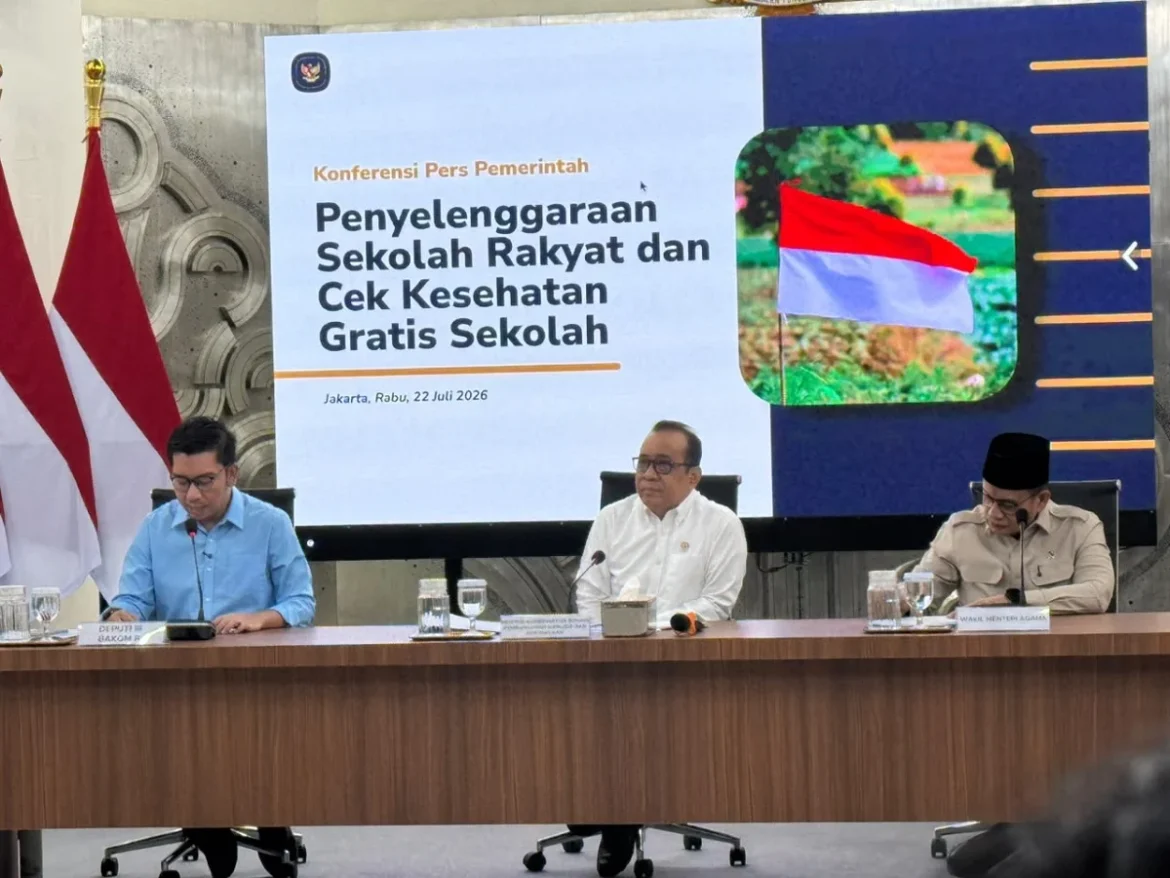
The Indonesian Ministry of Religious Affairs (Kemenag) announced on Wednesday, July 22, 2026, its ongoing efforts to develop and integrate educational modules designed to address the "prevention" of LGBTQ+ identities. These materials, currently being formulated, are intended to be incorporated into the national curriculum, starting from the fourth grade of elementary school through junior and senior high school. The initiative underscores a broader societal and governmental stance in Indonesia that views LGBTQ+ identities as a phenomenon to be countered rather than understood or accepted, particularly within the context of religious and moral education.
Unveiling the Curriculum’s Core Content
During a public statement at the Bakom RI Office, Vice Minister of Religious Affairs, Romo Muhammad Syafi’i, elaborated on the specific content being prepared for these educational modules. A central component of the curriculum will involve an in-depth discussion of various "movements and methods of LGBTQ+ dissemination" that Kemenag perceives as active within society and globally. Syafi’i stated, "Therefore, within this curriculum insertion, all movements that have occurred in society and internationally will be explained, and with an understanding of these movements, all methods, all forms of infiltration for this [LGBTQ+] will be detailed."
The primary objective, according to Syafi’i, is to empower students with the capacity to "respond appropriately" to these perceived influences. He articulated, "We inform the children so that they have the right response and do not get caught up in LGBTQ+ movements." This framing suggests an educational approach aimed at inoculation, fostering a specific viewpoint on sexuality and gender identity, aligned with conservative religious interpretations prevalent in Indonesia. The Ministry believes that such understanding will prevent young individuals from "falling into a deviant understanding," thereby safeguarding them from what it characterizes as societal pitfalls.
Timeline and Implementation Strategy
The Kemenag team is actively engaged in refining these educational materials, with a stated target for their implementation. Vice Minister Syafi’i indicated that the Ministry aims for the new curriculum components to be introduced as early as the 2026/2027 academic year. He acknowledged that curriculum reform is a complex and time-consuming process, stating, "The team continues to work to this day to insert the curriculum because changing the curriculum might take a long time. We want this to be able to start running in this academic year." The ambitious timeline suggests a concerted effort to swiftly integrate these modules into the national educational framework.
The phased introduction, targeting students from grade IV elementary school through high school, reflects a strategy to instill these perspectives from an early age, progressively reinforcing them throughout a student’s formative years. This comprehensive approach across different educational levels highlights Kemenag’s intention to create a consistent and pervasive narrative regarding LGBTQ+ identities within the state-run religious education system.
Background and Context: Indonesia’s Stance on LGBTQ+ Rights
Indonesia, the world’s most populous Muslim-majority nation, operates under the state ideology of Pancasila, which enshrines belief in one God and promotes unity and social justice. While Pancasila guarantees religious freedom, the interpretation of religious tenets often informs social policy, particularly concerning morality and family values. Traditional religious views, both Islamic and other dominant faiths in Indonesia, generally do not recognize same-sex relationships or gender identities outside the binary as normative.
The legal landscape concerning LGBTQ+ rights in Indonesia is complex and often contradictory. There is no nationwide law explicitly criminalizing homosexuality. However, specific regional regulations (Perda) have been enacted in various provinces and cities that effectively target LGBTQ+ individuals, often under broader provisions concerning "public order," "indecency," or "morality." For instance, Aceh province, which operates under Sharia law, has explicitly criminalized same-sex sexual acts. Nationally, the revised Criminal Code, passed in 2022 and set to come into effect in 2025, includes articles that criminalize sex outside marriage and cohabitation outside marriage, which could disproportionately affect same-sex couples, even if not explicitly targeting them.
Over the past decade, public discourse and official rhetoric surrounding LGBTQ+ issues in Indonesia have grown increasingly hostile. Several government officials and religious leaders have made statements condemning LGBTQ+ identities, often linking them to foreign influences or social deviance. This has led to a climate of fear and discrimination for LGBTQ+ individuals, with reports of raids on private gatherings, public shaming, and limited access to public services. Human rights organizations, both domestic and international, have consistently raised concerns about the deteriorating situation for LGBTQ+ rights in the country.
Kemenag, as a key governmental body responsible for religious affairs and education, plays a significant role in shaping public morality and values. Its mandate extends to overseeing religious education across all levels, making its curriculum decisions highly influential. This latest initiative is consistent with a broader trend of state-sanctioned efforts to promote conservative moral values within the educational system.
Supporting Data: Public Opinion and Global Context
Surveys indicate a deeply conservative public sentiment towards LGBTQ+ issues in Indonesia. A 2017 Pew Research Center study found that only 9% of Indonesians believe homosexuality should be accepted by society, one of the lowest figures globally. This figure has likely remained consistent or even declined amid heightened anti-LGBTQ+ rhetoric. Such public opinion provides a backdrop for governmental initiatives like Kemenag’s, which often resonate with a significant portion of the electorate.
In contrast, global trends show increasing recognition of LGBTQ+ rights in many parts of the world, particularly in Western nations. International human rights frameworks, such as the Universal Declaration of Human Rights, emphasize non-discrimination and equality for all individuals, irrespective of sexual orientation or gender identity. The UN Human Rights Office has repeatedly called on states to protect LGBTQ+ individuals from violence and discrimination. Kemenag’s initiative, therefore, places Indonesia in stark contrast to these evolving international norms, potentially drawing further scrutiny from global human rights bodies.
Official Responses and Broader Implications
The announcement by Kemenag is anticipated to elicit a range of responses from various stakeholders, both domestically and internationally.
Reactions from Human Rights Organizations:
Human rights organizations, both within Indonesia and globally, are expected to voice strong opposition and concern. They will likely argue that such a curriculum promotes discrimination, stigmatization, and potentially incites hatred against LGBTQ+ individuals. Concerns will be raised about the mental health and well-being of LGBTQ+ youth, who may face increased bullying, isolation, and psychological distress in an educational environment that labels their identity as "deviant" or something to be "prevented." Advocates will emphasize that such educational content violates principles of non-discrimination and the right to education free from prejudice, as enshrined in international human rights conventions that Indonesia has ratified or is party to. They may also highlight the lack of scientific basis for "preventing" sexual orientation or gender identity, which are widely understood by medical and psychological associations as innate aspects of an individual, not choices or behaviors to be cured or prevented.
Statements from Educational Experts:
Educational experts may critique the pedagogical approach, questioning its effectiveness in fostering critical thinking or a truly inclusive learning environment. They might argue that a curriculum focused on "prevention" rather than understanding or empathy could lead to a narrow worldview and hinder students’ ability to engage with diverse perspectives. There could also be concerns about the potential for teachers, who may not be adequately trained in sensitive topics, to implement the curriculum in a way that is harmful or counterproductive. The role of comprehensive, evidence-based sex education, which typically includes discussions of diverse sexualities and gender identities in an age-appropriate manner, may also be brought into question.
Perspectives from Religious Scholars and Leaders:
While many conservative religious leaders will likely support Kemenag’s initiative, viewing it as a necessary measure to uphold moral and religious values, there may also be dissenting voices. Some progressive religious scholars might advocate for a more compassionate and inclusive approach, emphasizing religious tenets of love, mercy, and human dignity for all individuals, regardless of their sexual orientation or gender identity. They might argue that focusing on "prevention" can alienate individuals who are already struggling with their identity and that true religious education should promote understanding and support.
Concerns from the LGBTQ+ Community and Allies:
The LGBTQ+ community in Indonesia and their allies will undoubtedly express alarm and fear. Such a curriculum could further marginalize an already vulnerable population, exacerbating existing discrimination and making schools less safe spaces for LGBTQ+ students. They may call for the government to protect the rights of all citizens, including LGBTQ+ individuals, and to promote an educational environment that fosters respect and understanding rather than fear and prejudice. There might be calls for public dialogue, engagement with LGBTQ+ voices, and a re-evaluation of the curriculum’s objectives.
International Scrutiny:
International bodies and foreign governments committed to human rights may monitor the implementation of this curriculum closely. This could impact Indonesia’s international standing and its relationships with countries that prioritize LGBTQ+ rights. There could be diplomatic pressure or calls from UN agencies for Indonesia to adhere to international human rights standards concerning non-discrimination in education.
Broader Societal Implications:
The long-term implications of this curriculum are significant. It could entrench anti-LGBTQ+ sentiment within future generations, making it even more challenging to advocate for LGBTQ+ rights and acceptance in Indonesian society. It may also contribute to a more polarized society, where discussions around sexuality and gender identity are framed in terms of moral absolutes rather than human rights or diversity. Furthermore, by explicitly linking LGBTQ+ identities to "movements" and "infiltration," the curriculum could foster suspicion and paranoia, potentially fueling further social division and discrimination.
The initiative also raises questions about the scope of government intervention in personal identity and moral education. While governments often play a role in shaping values through education, the extent to which they can define and impose a singular moral understanding of complex issues like sexuality and gender identity, especially in a diverse society, remains a subject of intense debate.
Conclusion: A Deepening Divide
Kemenag’s plan to integrate "LGBTQ+ prevention" materials into the national curriculum marks a significant step in Indonesia’s ongoing public discourse regarding sexuality and gender. It reflects a governmental commitment to reinforcing conservative moral values within the educational system, aiming to inoculate young people against what it perceives as "deviant" influences.
While proponents argue this move is essential for upholding religious and cultural norms and protecting youth, critics contend it will further entrench discrimination, harm the mental well-being of LGBTQ+ students, and contradict international human rights principles. As the Ministry progresses with its curriculum development, the spotlight will remain firmly on Indonesia, observing how this policy unfolds and its profound implications for human rights, education, and social cohesion in the world’s third-largest democracy. The implementation of this curriculum in the 2026/2027 academic year is poised to deepen the existing divide between traditional values and evolving global standards of human rights and inclusivity.
