
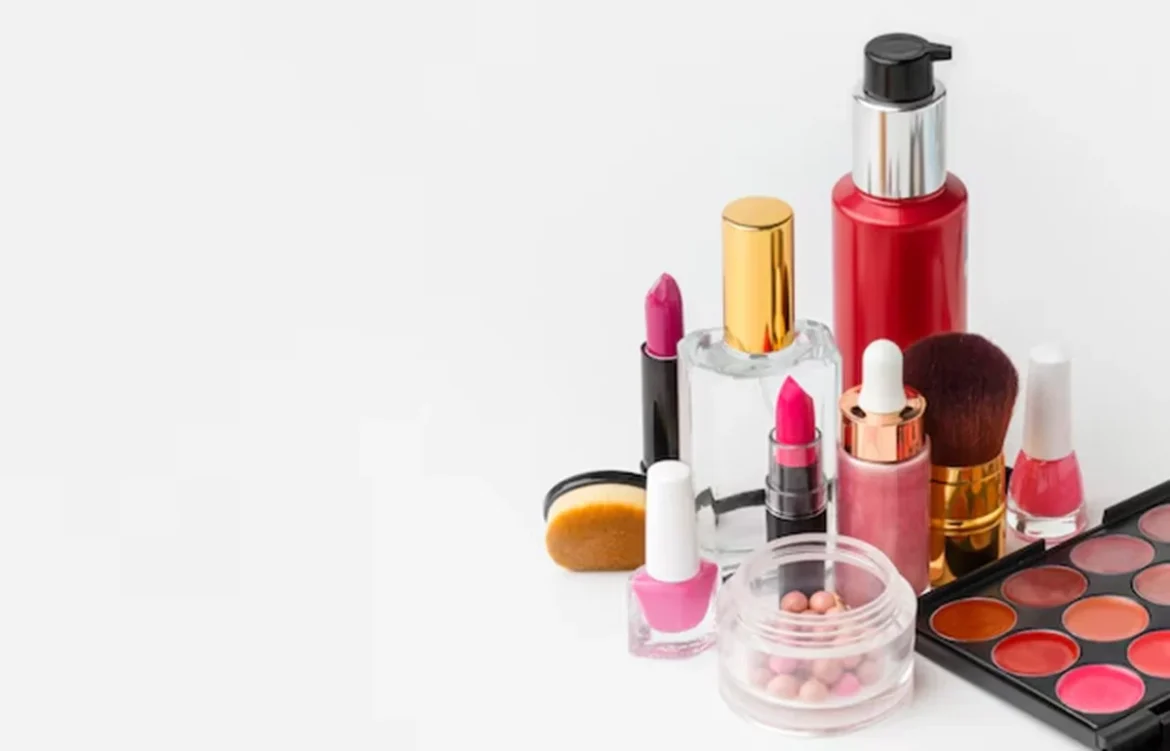
The Indonesian Food and Drug Authority, known as Badan Pengawas Obat dan Makanan (BPOM), has intensified its market surveillance efforts, uncovering 11 cosmetic products containing hazardous ingredients that pose significant risks to public health. This discovery is the culmination of a rigorous three-month inspection cycle conducted between July and September 2026. The findings underscore a persistent challenge in the Southeast Asian beauty and skincare market, where the proliferation of unregulated or illicit products continues to threaten consumer safety despite stringent regulatory frameworks.
The announcement was made public by the Head of BPOM, Taruna Ikrar, who emphasized the agency’s commitment to protecting the public from chemical exposure. According to the official report, the 11 identified products were found to contain substances strictly prohibited for cosmetic use due to their toxicological profiles. These substances include mercury, retinoic acid, mometasone furoate, and specific synthetic colorants known as Merah K3 and Merah K10.
Breakdown of the Illicit Products
The distribution and manufacturing profiles of the identified products reveal a fragmented landscape of non-compliance. Of the 11 products seized and flagged by BPOM, the breakdown is as follows:
- Imported Products (4 items): These products entered the market without the mandatory notification number, rendering them illegal. The absence of a notification number signifies that these items have not undergone the required safety assessment by BPOM before distribution.
- Locally Produced Products (2 items): These domestic goods also lacked official notification, indicating they were produced in facilities that bypassed or failed to meet national quality control standards.
- Contract-Manufactured Products (5 items): These products were manufactured under contract arrangements. The involvement of contract manufacturing highlights a vulnerability in the supply chain where accountability can sometimes be diluted, allowing prohibited chemicals to be integrated into formulations without proper oversight.
Health Risks and Toxicological Implications
The substances identified in these products are not merely minor regulatory infractions; they are potent chemicals with well-documented adverse health effects. BPOM’s laboratory findings highlighted the following risks associated with the specific ingredients found:
Mercury: Often used in skin-lightening creams for its ability to inhibit melanin production, mercury is a potent neurotoxin. Prolonged exposure can cause permanent skin discoloration, irritation, and, in severe cases, systemic toxicity leading to kidney damage and neurological impairment.
Retinoic Acid: While used in controlled clinical dermatology, its inclusion in over-the-counter cosmetics is prohibited due to its harsh side effects. It can cause severe skin dryness, burning sensations, and extreme sensitivity to sunlight. Most alarmingly, it is teratogenic, meaning it can cause birth defects or fetal developmental abnormalities if used by pregnant women.
Mometasone Furoate: A corticosteroid that, when used inappropriately in cosmetics, can lead to skin atrophy (thinning of the skin) and the suppression of the hypothalamic-pituitary-adrenal (HPA) axis, potentially causing systemic hormonal imbalances.
Synthetic Colorants (Merah K3 and K10): These industrial dyes are classified as hazardous due to their mutagenic and carcinogenic properties. Research has consistently linked these colorants to an increased risk of liver damage and the development of malignant tumors.

The Regulatory Response and Enforcement Actions
Following the identification of these hazardous products, BPOM has moved swiftly to mitigate further public exposure. The agency has implemented a multi-tiered enforcement strategy:
- Administrative Sanctions: The distribution licenses for all 11 products have been revoked. Manufacturers and distributors have been ordered to cease all operations, including production, importation, and wholesale distribution, effective immediately.
- Market Withdrawal: BPOM’s technical implementation units (UPT) across Indonesia have been mobilized to conduct direct raids and sweeps of retail outlets, beauty clinics, and marketplaces. The goal is to purge these products from the shelves.
- Supply Chain Investigation: Beyond simple removal, the agency is currently tracing the production and supply chains to identify the upstream manufacturers and raw material suppliers. This is a critical step in preventing these products from being rebranded and re-introduced into the market under different labels.
Legal Consequences and Regulatory Framework
The distribution of these products is a direct violation of the Indonesian Health Law, specifically Article 435 paragraph (1) in conjunction with Article 138 paragraph (2) of Law Number 17 of 2023. This legislation serves as the cornerstone of public health protection in the country. Under this law, entities found guilty of distributing unsafe or prohibited cosmetic products face severe penalties, including up to 12 years of imprisonment and fines reaching up to IDR 5 billion.
Taruna Ikrar reiterated that the agency maintains a zero-tolerance policy regarding public health safety. "All business operators are mandated to comply with the existing regulations and ensure that every product, whether manufactured or distributed, meets the required standards of safety, efficacy, and quality," Ikrar stated during the press conference. He added that the agency would not hesitate to pursue criminal charges against those who prioritize profit over the health of the population.
Consumer Vigilance: The "Cek KLIK" Initiative
Despite the aggressive enforcement by the government, the sheer volume of e-commerce and the rise of social media-based commerce make it difficult to monitor every transaction. Consequently, BPOM has renewed its call for public vigilance through the "Cek KLIK" initiative. This acronym serves as a guide for consumers to verify the safety of products before purchase:
- C (Cek Kemasan): Check the packaging. Ensure it is intact and shows no signs of tampering.
- K (Label): Read the label carefully. Ensure all information, including ingredients, is clearly printed and understandable.
- I (Izin Edar): Verify the notification number. Consumers can check the validity of a product’s registration number through the official BPOM mobile application or the agency’s official website.
- K (Kedaluwarsa): Check the expiration date. Never use products that have passed their designated shelf life, as the chemical stability of the product may have degraded, potentially becoming toxic.
BPOM also advises consumers to exercise extreme skepticism toward products that promise "instant results," such as skin whitening within days, or those sold at prices that are suspiciously low. These are often hallmarks of illicit products containing hazardous chemicals.
The Broader Impact on the Industry
This incident serves as a significant wake-up call for the domestic cosmetic industry. The growth of the Indonesian beauty market, fueled by social media trends and the rise of local independent brands, has seen an explosion in product variety. However, this growth has also outpaced the ability of some small-to-medium enterprises (SMEs) to maintain high-quality manufacturing standards.
Industry analysts suggest that this crackdown may lead to a more consolidated market, where smaller, unregulated players are forced out in favor of firms that can demonstrate full compliance with Good Manufacturing Practices (GMP). Furthermore, the incident is likely to prompt more stringent pre-market approvals and more frequent post-market surveillance audits.
For the general public, the primary takeaway is the necessity of institutional trust. By sticking to products that have undergone the BPOM certification process, consumers minimize their risk of long-term health complications. The agency has encouraged citizens to report any suspicious products through the HALOBPOM 1500533 hotline or through local consumer complaint units, emphasizing that public participation is a vital component of the nation’s surveillance infrastructure.
As of November 2026, the investigation remains ongoing. BPOM continues to monitor both physical retail spaces and digital marketplaces, signaling a long-term shift toward more rigorous oversight in the era of digital trade. The agency’s focus remains clear: in the pursuit of beauty, safety must remain the primary, non-negotiable factor.
