
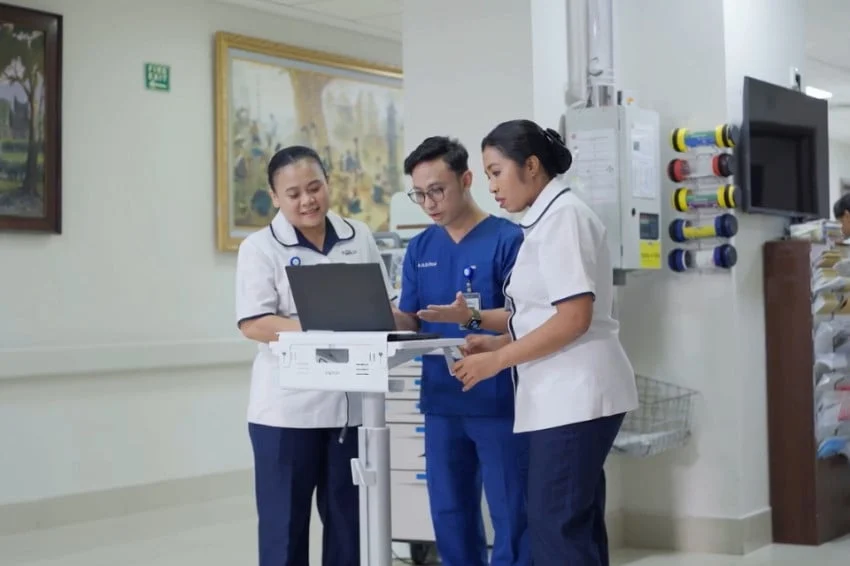
The landscape of cancer treatment has undergone a radical transformation over the past two decades. As medical science shifts from generalized chemotherapy toward highly targeted, personalized immunotherapy and precision medicine, the complexity of patient management has grown exponentially. While advanced diagnostic tools and sophisticated pharmaceuticals are essential for survival, the human element of care remains the cornerstone of clinical success. Among the most critical components of this care architecture is the oncology nurse, whose role extends far beyond the administration of medication, serving as the bridge between cold, clinical data and the complex, lived experience of the patient.
The Evolving Paradigm of Cancer Care
Historically, cancer nursing was primarily task-oriented, focusing on the administration of intravenous fluids and the monitoring of basic vital signs. However, the modern oncology ward is a high-stakes environment requiring deep clinical knowledge, psychological resilience, and a sophisticated understanding of pharmacogenomics. As MRCCC Siloam Semanggi’s Head of Nursing, Fretty Lamria Manalu, emphasizes, the treatment of malignancy is a marathon that requires constant recalibration of care.
The necessity for specialized oncology nurses has surged as treatment protocols have become more aggressive and nuanced. Patients today often navigate multiple modalities of treatment simultaneously, including surgery, radiation, and novel biologics. This complexity often leads to significant side effects that require immediate, informed assessment. Oncology nurses act as the first line of defense, identifying early warning signs of adverse reactions—such as neutropenic fever or immune-related toxicities—that could otherwise escalate into life-threatening complications.
Clinical Chronology and the Patient Journey
To understand the significance of the oncology nurse, one must view the patient journey as a continuous, longitudinal process. The timeline typically begins with the diagnostic phase, where the nurse provides the initial education regarding the nature of the malignancy and the proposed treatment roadmap. This stage is crucial for building the patient’s health literacy, which is directly correlated with adherence to treatment.
During the active treatment phase, the nurse functions as a clinical navigator. This involves:
- Symptom Management: Monitoring the patient for chemotherapy-induced nausea, fatigue, neuropathy, and dermatological changes.
- Treatment Coordination: Managing the logistical complexities of scheduling, laboratory work, and multi-disciplinary consultations.
- Psychological Support: Providing the "human touch" that validates the patient’s experience, reducing the isolation often associated with a cancer diagnosis.
- Survivorship Planning: Transitioning the patient from active treatment to long-term monitoring, addressing both physical recovery and the lingering psychological impact of the disease.
Statistical Context: The Rising Demand for Specialized Care
Global cancer statistics underscore the urgency of this clinical requirement. According to the World Health Organization (WHO), cancer remains a leading cause of mortality worldwide, accounting for nearly 10 million deaths in 2020. With an aging global population and improved screening technologies, the incidence of cancer is projected to rise significantly over the next two decades.
This surge in patient volume creates a supply-demand imbalance. In many developing healthcare systems, the ratio of oncology-certified nurses to patients remains suboptimal. Data from the International Society of Nurses in Cancer Care (ISNCC) suggests that specialized oncology nursing training is associated with lower hospital readmission rates, improved patient safety, and significantly higher patient satisfaction scores. Despite this, the global nursing shortage—exacerbated by the COVID-19 pandemic—has put intense pressure on hospitals to train and retain nurses who possess the specific skill sets required for oncology, such as intravenous chemotherapy certification and palliative care competencies.
The Irreplaceable Human Touch in a Digital Era
A common argument in modern healthcare is that technology, particularly Artificial Intelligence (AI) and telehealth, will streamline the oncology process. While predictive analytics can assist in drug selection and imaging, there is a fundamental limitation to what technology can achieve. Fretty Lamria Manalu notes that while technological advancements are occurring at an unprecedented pace, they cannot substitute for the continuous, 24-hour observational presence of a skilled nurse.
The "human touch" is not merely an emotional convenience; it is a clinical necessity. Patients who feel supported and understood are more likely to report symptoms accurately and adhere to complex medication schedules. When a nurse observes a patient over a prolonged period, they notice subtle changes in temperament, physical gait, or skin integrity that algorithms might overlook. This observational data is often the catalyst for shifting a treatment plan before a catastrophic complication occurs.
Broader Implications for Healthcare Policy
The recognition of the oncology nurse as a specialist practitioner has significant implications for hospital management and national health policies. Hospitals must move away from viewing nursing as a generic labor force and instead invest in specialized certification programs. The fiscal argument for this is clear: hospitals with highly trained, specialized nursing staff see lower complication rates, which in turn reduces the cost of emergency interventions and prolonged inpatient stays.
Furthermore, the role of the nurse is increasingly becoming one of advocacy. In many cancer centers, the oncology nurse acts as the patient’s voice in multi-disciplinary tumor board meetings, representing the patient’s quality-of-life priorities alongside the oncologists’ clinical targets. This ensures that the treatment path is not only efficacious but also manageable for the individual.
Challenges and Future Directions
Despite the critical nature of the role, oncology nursing faces substantial challenges. Burnout, due to the high emotional burden of caring for terminally ill patients and the intensity of clinical responsibilities, is a pervasive issue. To sustain the oncology workforce, healthcare systems must implement institutional support mechanisms, including:
- Resilience Training: Programs designed to help nurses process the emotional trauma of patient loss.
- Career Pathways: Clear professional development structures that incentivize nurses to pursue sub-specialization.
- Technological Integration: Utilizing EMR (Electronic Medical Records) systems that reduce the administrative burden on nurses, allowing them more time for direct patient interaction.
As we look toward the future, the integration of advanced technology and specialized human care will be the defining metric of excellence in cancer centers. The narrative of oncology is no longer just about the efficacy of a specific drug; it is about the quality of the support system surrounding the patient.
Conclusion: A Holistic Vision of Healing
The profession of oncology nursing stands at a pivotal intersection. As cancer treatments become more targeted and personalized, the demand for nurses who can synthesize complex information while providing compassionate, empathetic care will only increase. The experience at MRCCC Siloam Semanggi serves as a microcosm of a broader global reality: that while the future of oncology lies in the laboratory and the computer terminal, the heart of oncology remains firmly in the hands of the nursing professionals who stand by the patient’s side.
By acknowledging the oncology nurse as an indispensable pillar of the medical team, healthcare institutions can improve not only the clinical outcomes of their patients but also the very experience of healing. As the global oncology community continues to innovate, the preservation and advancement of this "human touch" must remain a strategic priority, ensuring that as medical science evolves, the fundamental humanity of patient care remains preserved. The journey of a cancer patient is fraught with uncertainty; having a knowledgeable, stable, and compassionate oncology nurse as a guide is, for many, the difference between simply surviving and truly recovering.
