
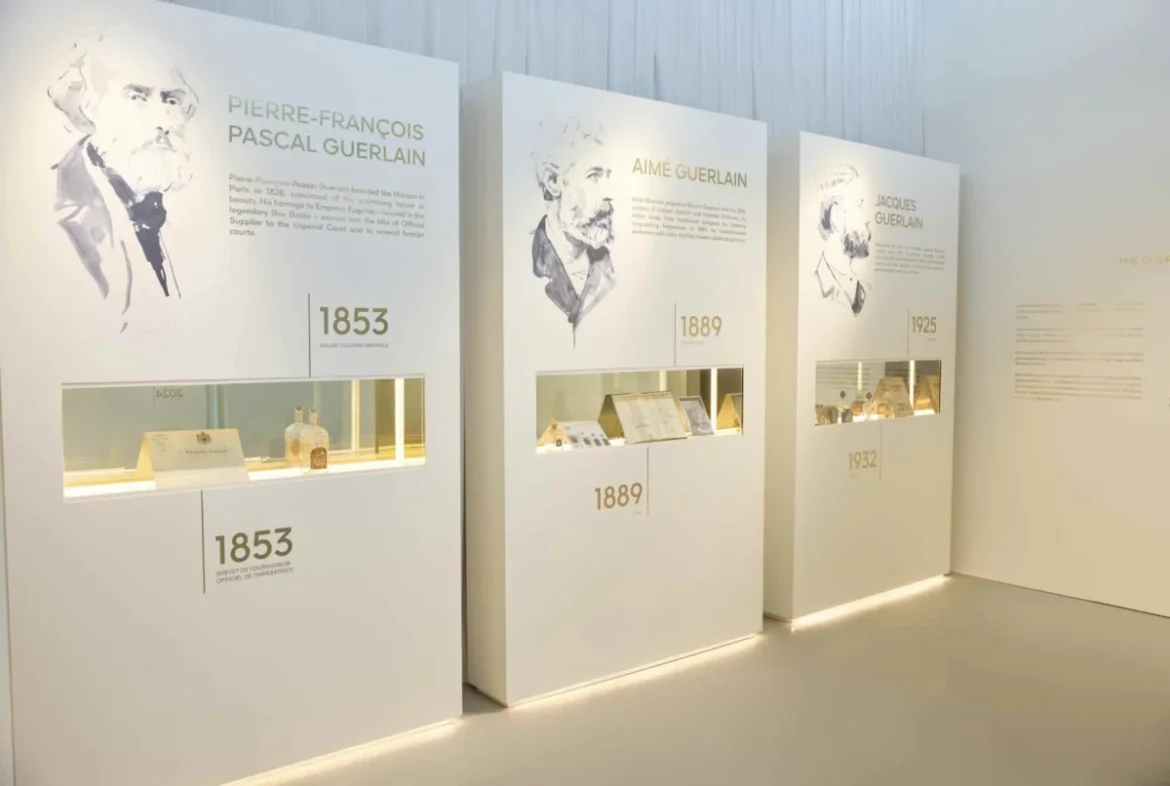
The historic French beauty house Guerlain recently unveiled its most comprehensive regional exhibition to date at the prestigious One Bangkok complex in Thailand. Titled "Guerlain Perfumer Visionary Since 1828," the event served as a monumental celebration of the brand’s nearly 200-year legacy, tracing its evolution from a small Parisian laboratory to a global titan of luxury fragrance, skincare, and cosmetics. This exhibition was not merely a display of products but a curated journey through time, designed to showcase the values, technical mastery, and avant-garde vision that have sustained the house through five generations of master perfumers.
A Legacy Rooted in 1828: The Foundation of an Empire
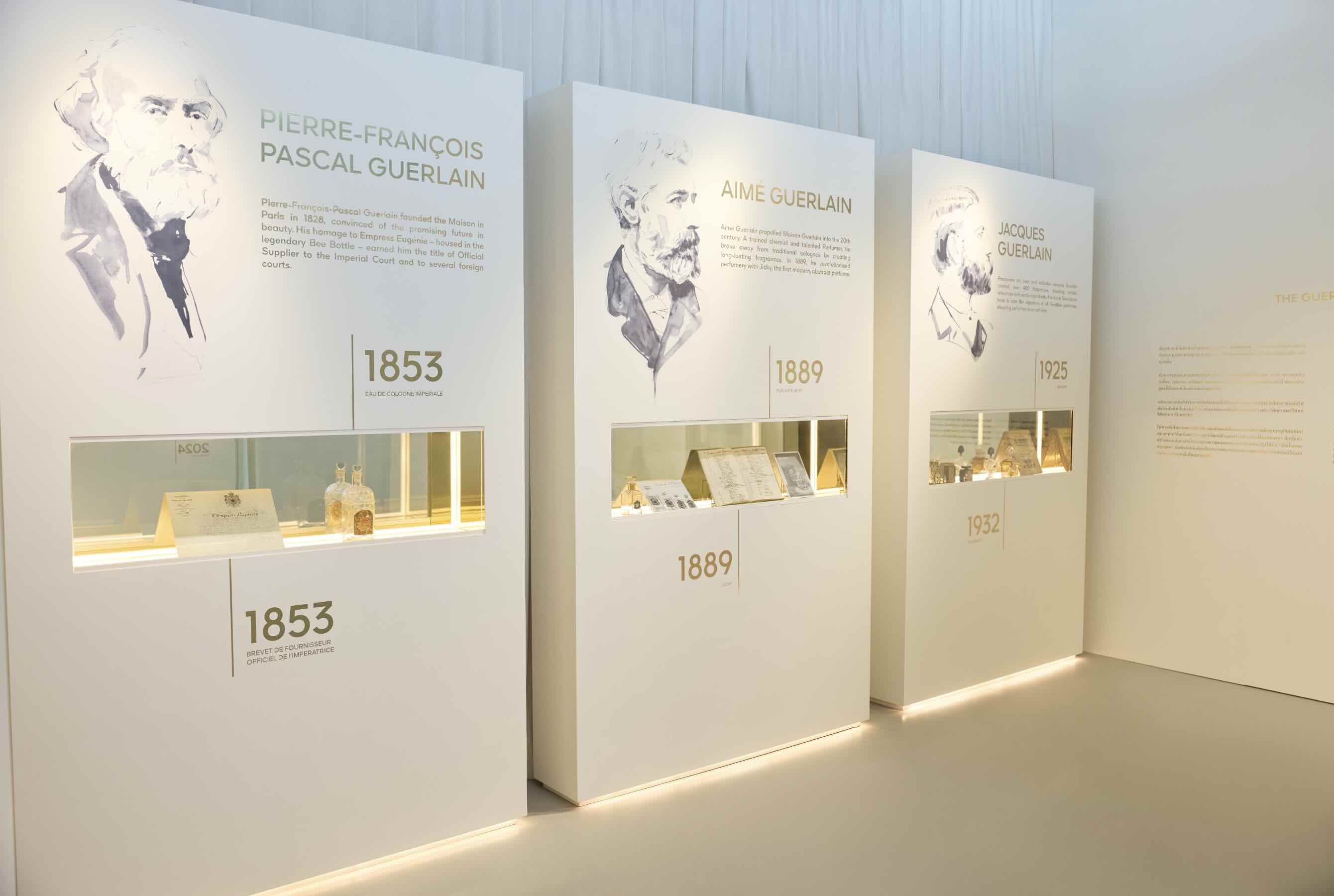
The story of Guerlain begins in 1828 when Pierre-François-Pascal Guerlain opened his first boutique on Rue de Rivoli in Paris. As a doctor and chemist, his approach to beauty was scientific yet deeply artistic, a duality that remains the cornerstone of the brand today. The exhibition in Bangkok meticulously reconstructed this timeline, utilizing historical assets shipped directly from France to provide an authentic glimpse into the brand’s origins.
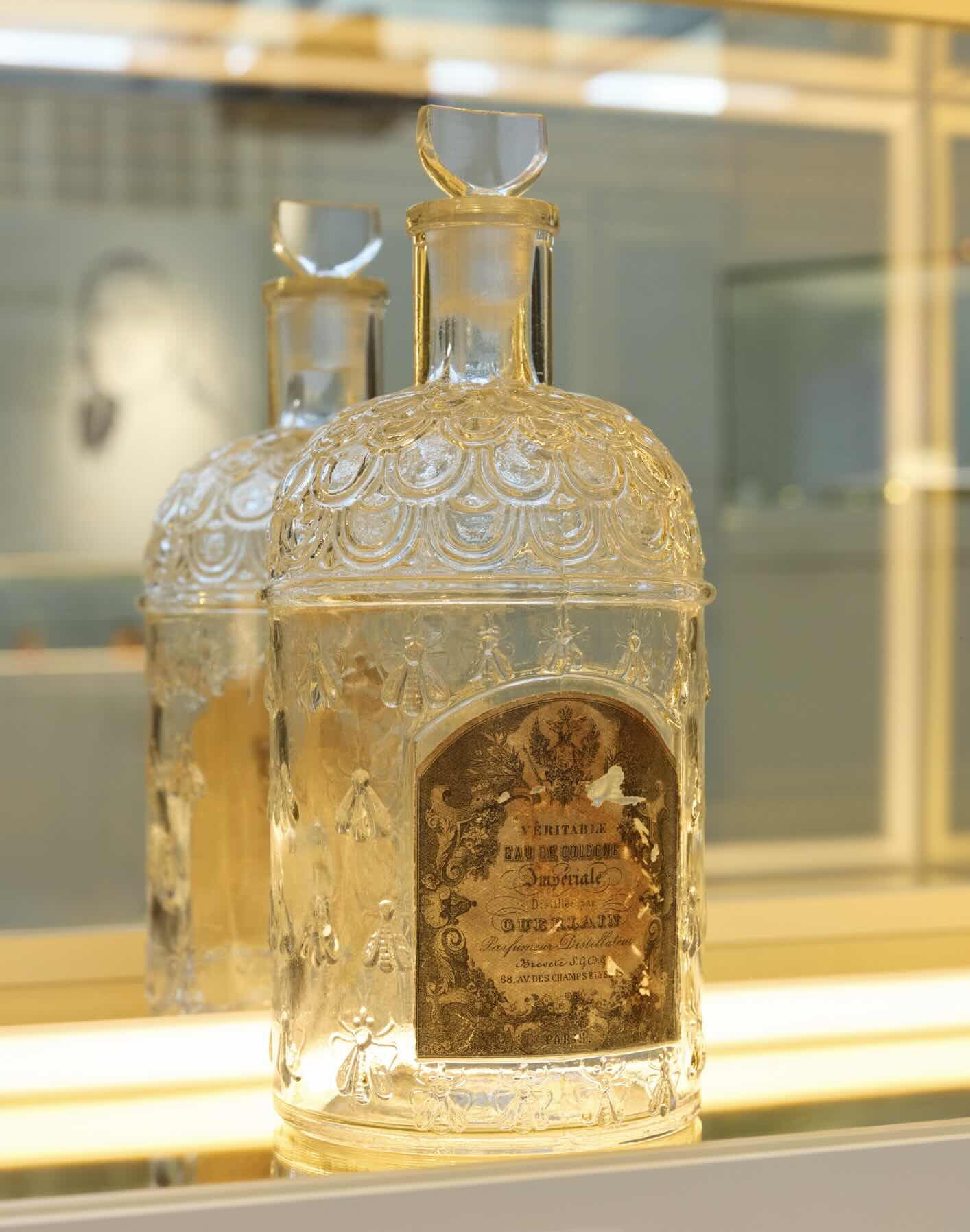
One of the most significant historical milestones highlighted was the creation of the "Bee Bottle" (Abeille) in 1853. Originally designed for the Eau de Cologne Impériale, this bottle was a tribute to Empress Eugénie, the wife of Napoleon III. The bottle, adorned with 69 bees—the emblem of the French Empire—earned Pierre-François-Pascal the title of "Purveyor to the Empress." This pivotal moment established Guerlain’s status among European royalty and cemented the bee as the house’s permanent symbol, representing both its imperial history and its modern commitment to biodiversity and environmental conservation.
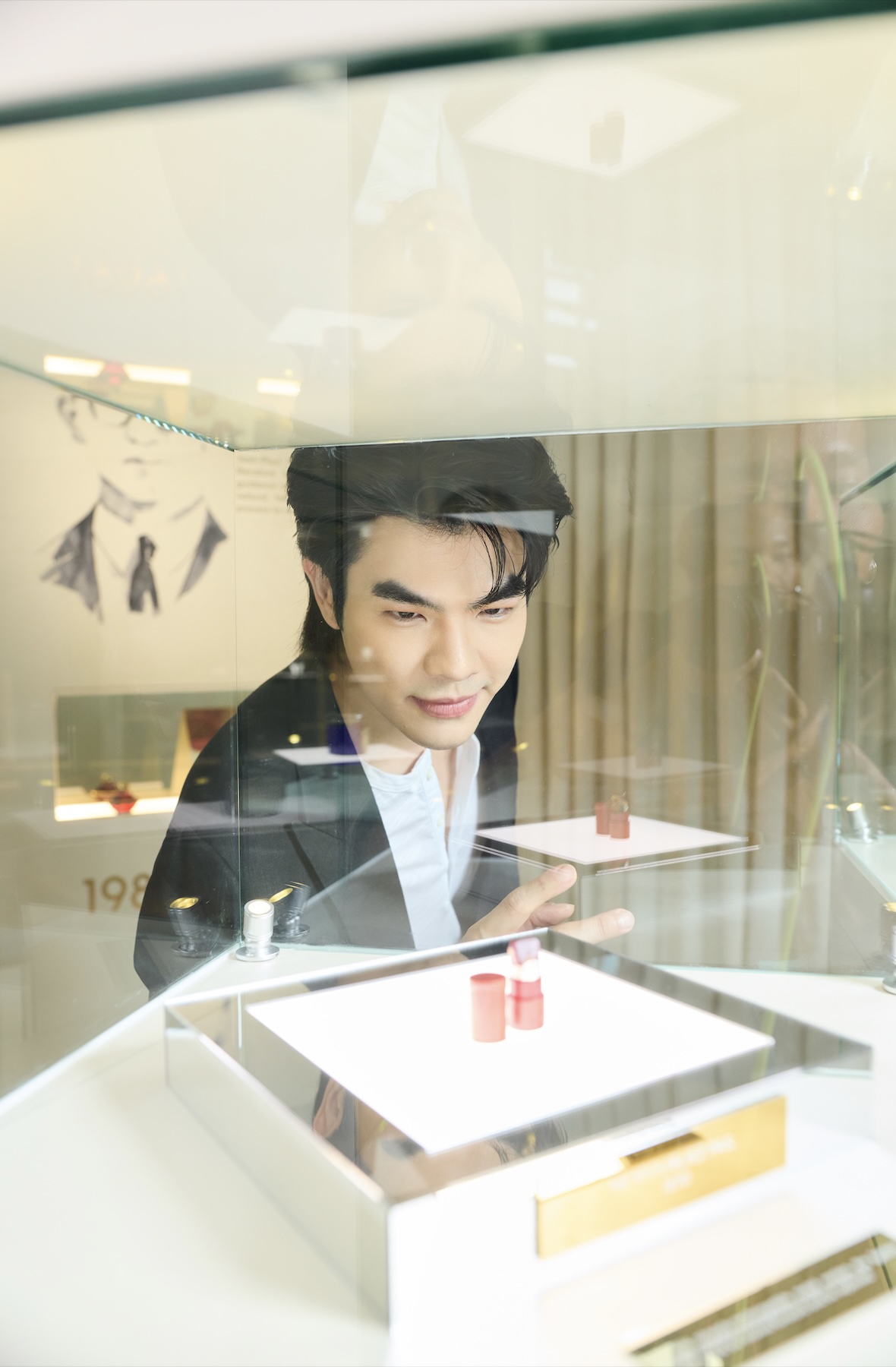
The exhibition also showcased the brand’s revolutionary impact on cosmetics. In 1870, Aimé Guerlain created "Ne m’oubliez pas," the world’s first commercial lipstick in a tube. Beyond its innovative form, it was designed to be refillable, a concept that was far ahead of its time and one that Guerlain continues to champion in its current sustainability initiatives. By presenting these artifacts, the exhibition demonstrated that Guerlain’s history is a continuous thread of innovation rather than a static past.
The Five Generations of Master Perfumers
A central theme of the Bangkok exhibition was the lineage of the "Master Perfumer." Unlike many fragrance houses that rely on external laboratories, Guerlain has maintained an internal succession of perfumers for nearly two centuries. The lineage moved from Pierre-François-Pascal to Aimé (creator of Jicky, the first "modern" perfume), then to Jacques (the nose behind Shalimar and Mitsouko), followed by Jean-Paul (the creator of Samsara and Vétiver).
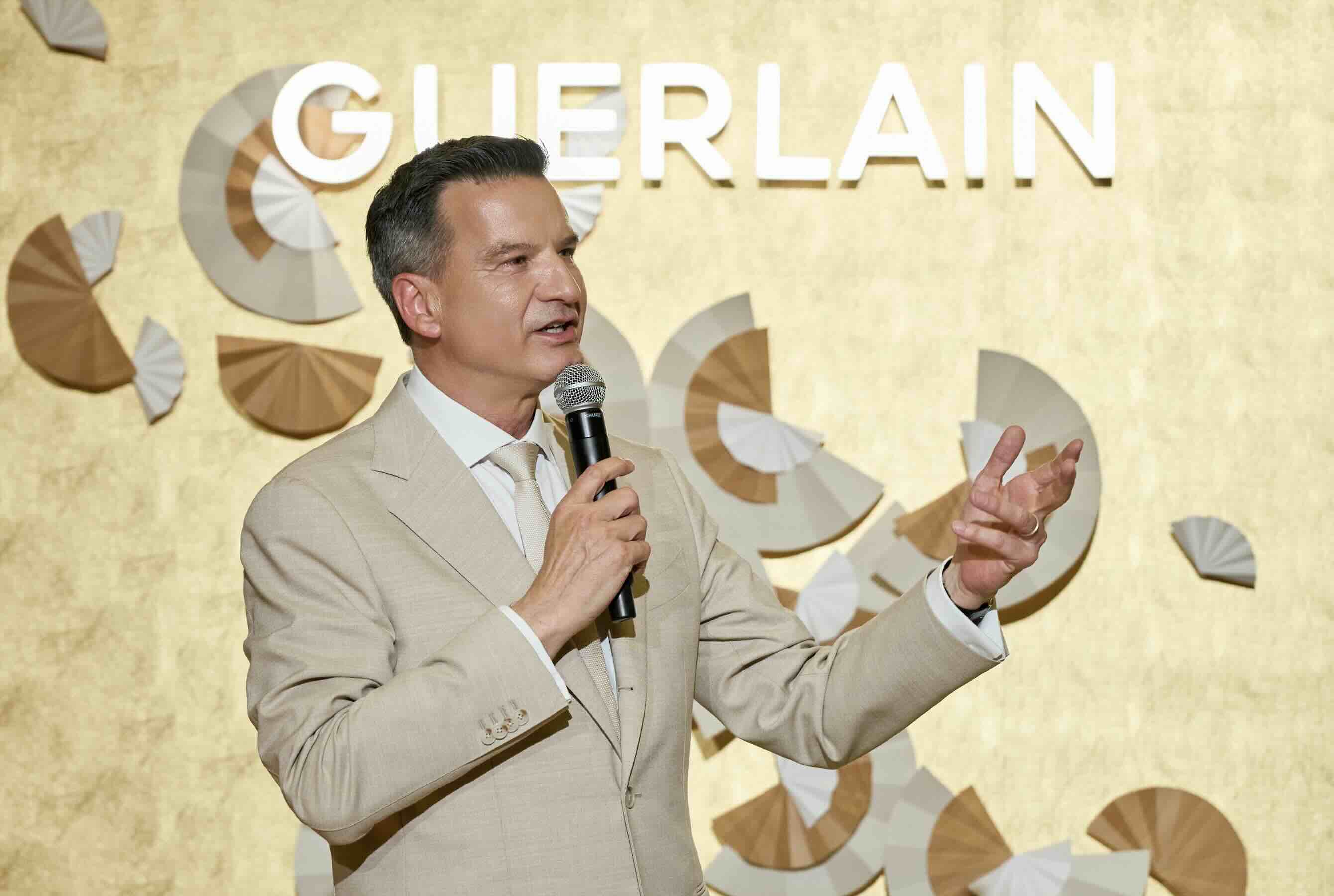
The current custodian of this legacy is Thierry Wasser, the fifth-generation Master Perfumer and the first to be appointed from outside the Guerlain family. During the exhibition, Wasser emphasized that while he is a perfumer by trade, his mission is to uphold Guerlain’s identity as a comprehensive "beauty house."
"This exhibition provides a more complete perspective of who Guerlain truly is," Wasser stated during a personal dialogue at the event. "I am a perfumer, as were the four generations before me. However, Guerlain does not only create perfumes. We also present makeup and skincare collections. It is essential for us to assert that Guerlain is a beauty house and not just a perfume house."
Wasser’s presence at the event underscored the brand’s focus on the Southeast Asian market, where luxury consumers are increasingly seeking brands with deep heritage and authentic artisanal stories.
The Art of the Dames de Table: Preserving Rare Craftsmanship
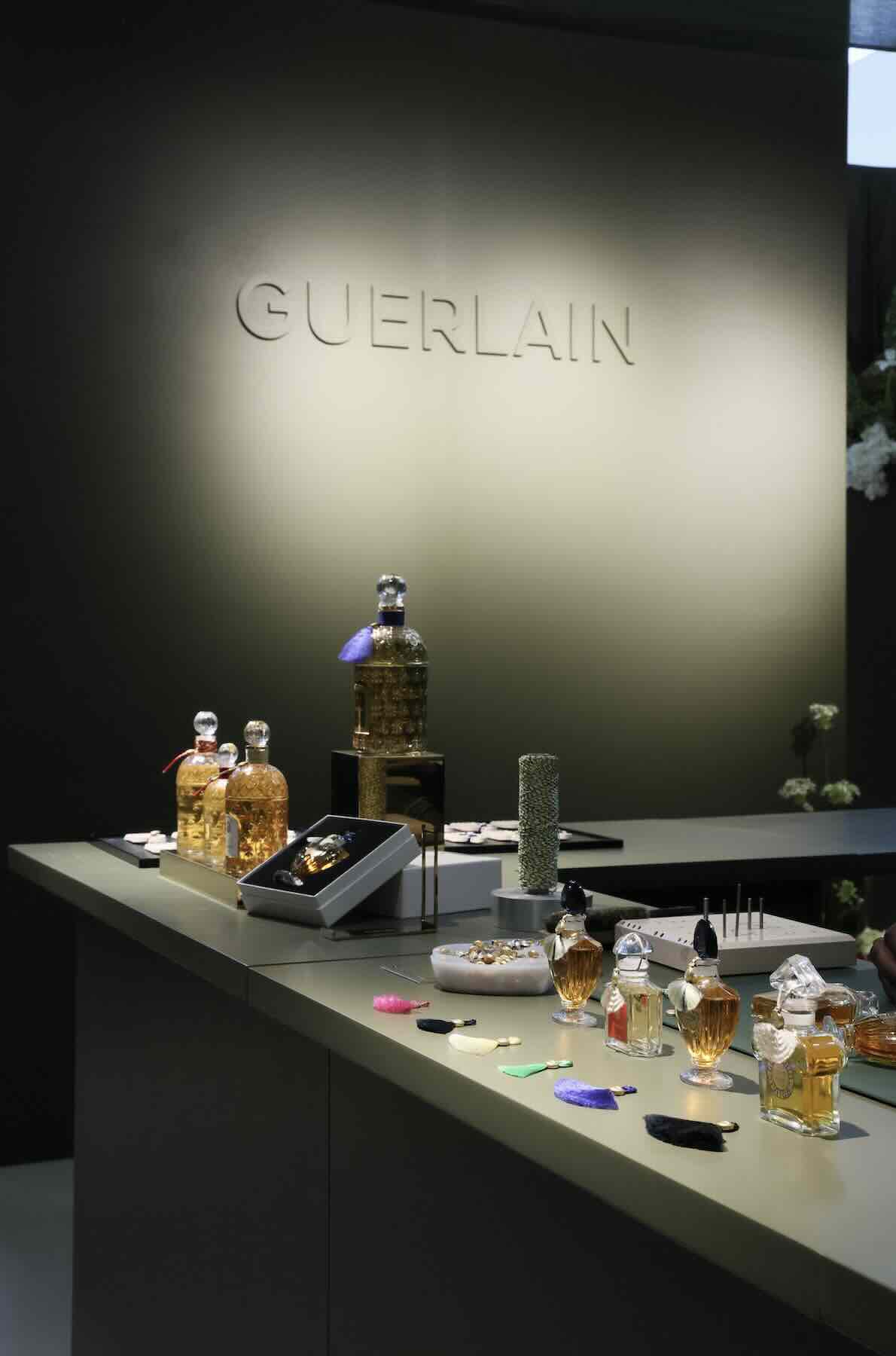
One of the most captivating sections of the exhibition was dedicated to the "Dames de Table." These are highly specialized female artisans based at Guerlain’s production site in Orphin, France. Currently, there are only six individuals in the world who possess the mastery required for these techniques.
Visitors were given the rare opportunity to witness a live demonstration of "baudruchage," a traditional method of sealing perfume bottles. This involves placing a fine membrane over the neck of the bottle, securing it with gold or silk thread, and finishing it with a wax seal. This process ensures that the fragrance remains airtight and untampered with, but it also serves as a hallmark of "Haute Parfumerie."
Each Guerlain fragrance has a specific knotting style. For instance, the knot used for a Shalimar bottle differs significantly from that of a Flacon Quadrilobé. This level of detail emphasizes that for Guerlain, the bottle is not just a container but a piece of art that requires the same level of precision as the liquid inside. The inclusion of the Dames de Table in the exhibition highlighted the brand’s commitment to preserving "human" luxury in an increasingly automated world.
Olfactory Symphonies: A Multi-Sensory Innovation
The exhibition moved beyond visual and tactile displays into the realm of the abstract with a room titled "Olfactory Symphonies." In this space, the traditional boundaries of scent were challenged through an immersive audio-visual experience.
The focus was on the "Guerlinade," the secret olfactory signature or "accord" that is found in varying proportions in almost all Guerlain fragrances. The Guerlinade consists of six key ingredients: bergamot, rose, jasmine, iris, vanilla, and tonka bean. In the Olfactory Symphonies room, these six notes were translated into a landscape of sound and rhythm. Visitors were invited to "listen" to the perfume, as each ingredient was assigned a specific sonic frequency and visual movement. This experimental approach showcased Guerlain’s willingness to use modern technology to deepen the consumer’s emotional connection to traditional scent profiles.
L’Art & La Matière: The Contemporary Vision
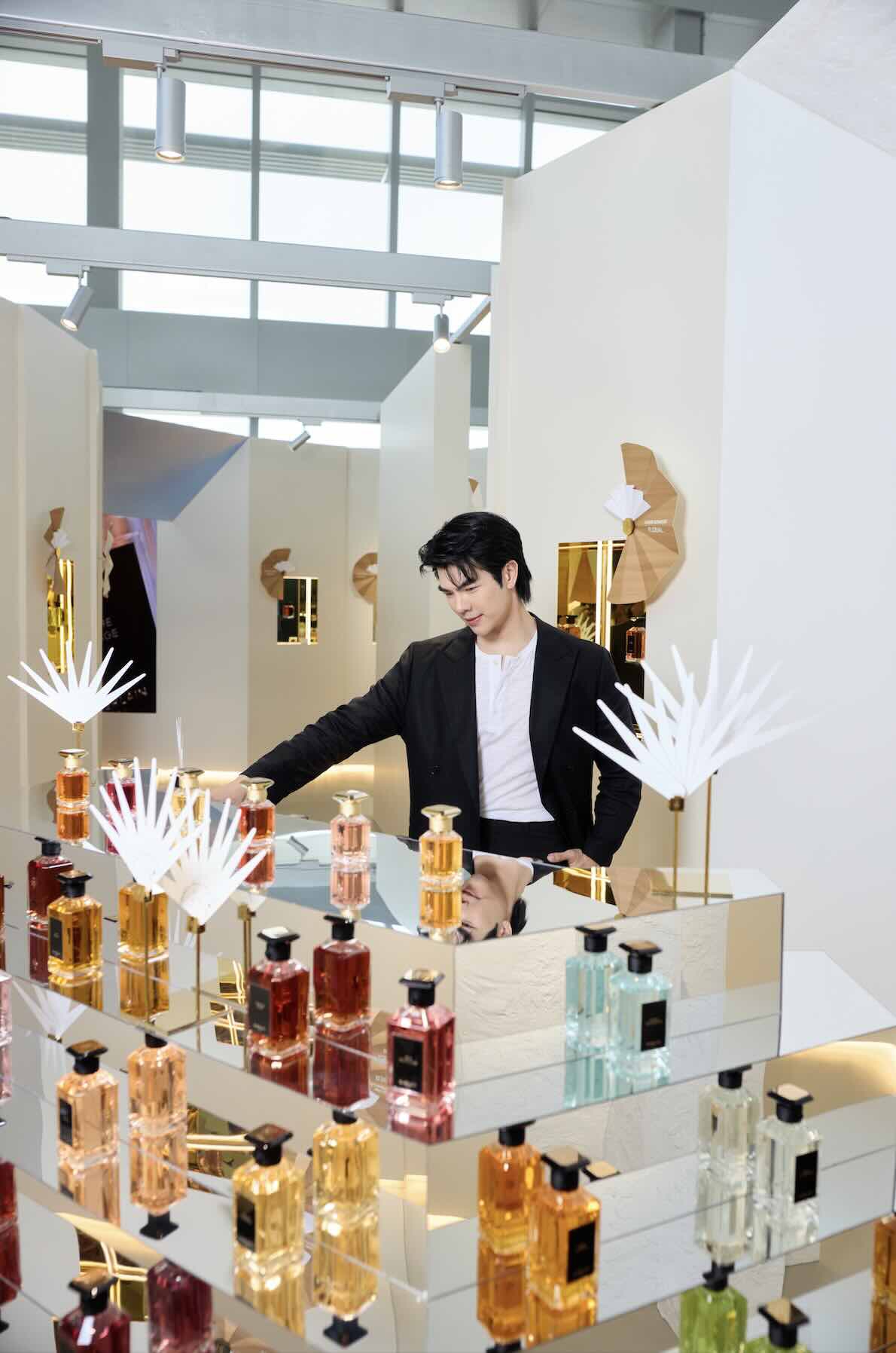
To bridge the gap between history and modernity, the exhibition featured a zone dedicated to "L’Art & La Matière," Guerlain’s premium collection of fragrances. This line represents the pinnacle of contemporary perfumery, where raw materials are elevated to the status of fine art.
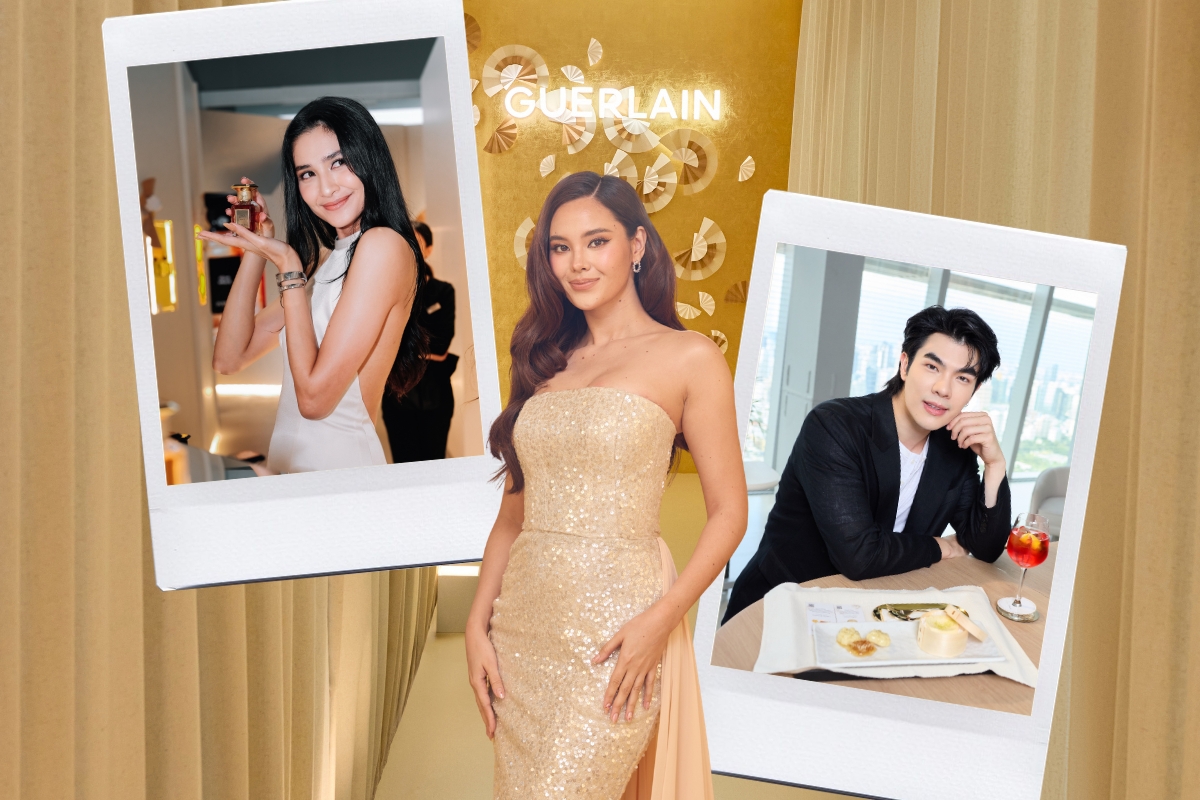
Among the featured scents was "Pêche Mirage," a fragrance that has gained significant attention in the region, including being a noted favorite of Indonesian actress Mikha Tambayong, who attended the event. Other iconic scents on display included Néroli Outrenoir and Angélique Noire. This section of the exhibition allowed visitors to explore how Guerlain continues to interpret its 196-year-old DNA through modern compositions that appeal to a global, sophisticated audience.
Cultural Integration and the Art de Vivre
In a move to integrate with the local Thai culture, Guerlain collaborated with the Thai brand Silpin to create a bespoke cafe experience within the exhibition. The menu featured desserts and beverages inspired by the aromatic profiles of Thailand, fused with the French philosophy of "Art de Vivre" (the art of living). This collaboration was a strategic effort to show that while Guerlain is a quintessentially French brand, its values of craftsmanship and sensory pleasure are universal and can be harmonized with local traditions.
Ann-Caroline Prazan, Guerlain’s Director of Art, Culture & Heritage, shared her insights on the brand’s expansion in Southeast Asia. Having been with the house for 25 years, Prazan views her role as a "guardian of heritage."
"Since 1828, Guerlain has always dared to push boundaries and revolutionize the beauty industry," Prazan noted. "However, every innovation we create is always rooted in the history and heritage we possess. For us, the past is not something to be left behind, but rather the foundation that continues to give life to future creations."
Strategic Implications and Industry Analysis
The "Guerlain Perfumer Visionary Since 1828" exhibition in Bangkok reflects a broader trend in the luxury industry where brands are moving away from traditional advertising in favor of "experiential luxury." By investing in a large-scale, museum-quality exhibition, Guerlain is educating its consumers on why its products command a premium price.
The choice of Bangkok as the host city is also significant. Thailand has emerged as a primary hub for luxury retail in Southeast Asia, with a consumer base that is increasingly knowledgeable about "niche" and "haute" perfumery. By bringing the Dames de Table and the Master Perfumer to the region, Guerlain is strengthening its brand equity and fostering a deeper loyalty among Asian collectors.
Furthermore, the exhibition highlights the importance of "brand storytelling." In a crowded market, Guerlain’s ability to point to 1828 and provide physical proof of its historical innovations—such as the first tube lipstick or the Bee Bottle—gives it a competitive advantage that newer brands cannot replicate.
Conclusion: A Vision for the Third Century
As Guerlain approaches its bicentennial in 2028, the Bangkok exhibition serves as a precursor to what the world can expect from the house in the coming years. It is a brand that remains fiercely protective of its history while being unafraid to experiment with sound, digital art, and modern sustainability.
The success of "Perfumer Visionary Since 1828" lies in its ability to make a 196-year-old brand feel relevant to a modern audience. Through the preservation of rare crafts like those of the Dames de Table and the continuous creative output of Thierry Wasser, Guerlain proves that true luxury is not just about the final product, but the values, expertise, and visionary spirit that go into every drop of perfume and every stroke of lipstick. The exhibition leaves no doubt that Guerlain will continue to be a defining force in the global beauty landscape for its third century and beyond.
