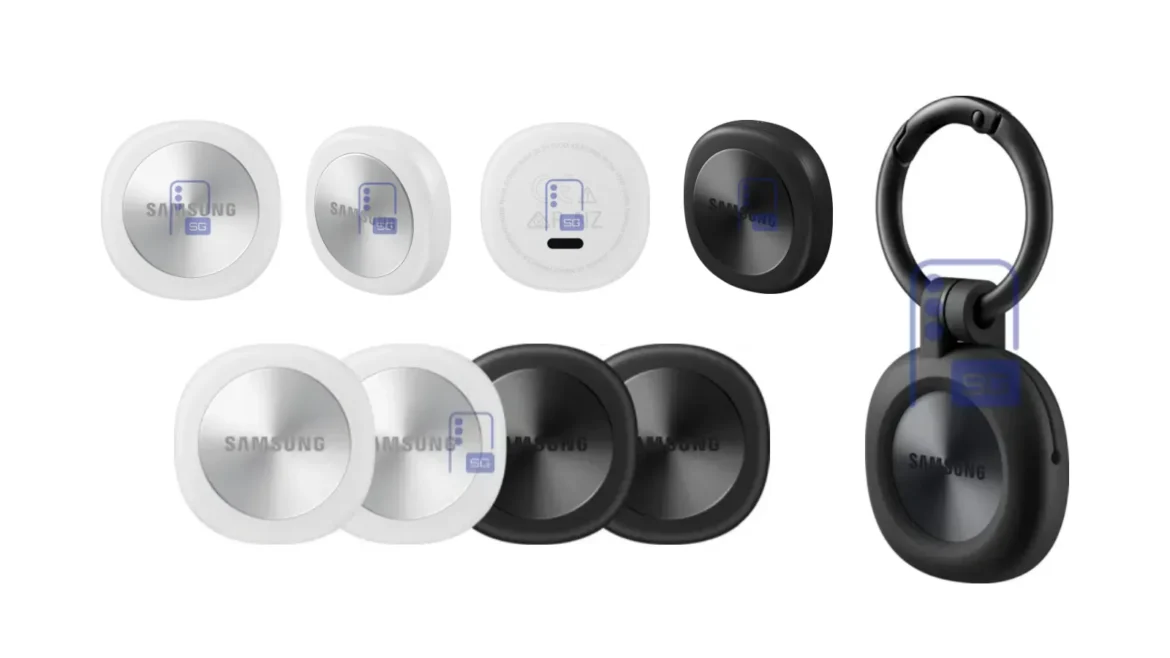
Samsung is once again preparing to shake up the consumer tracking device market, as fresh leaks surrounding the upcoming Galaxy SmartTag 3 reveal a significant design overhaul. Following earlier certification filings that surfaced earlier this month, newly leaked high-resolution renders provide a clearer look at the third-generation Bluetooth tracker. The imagery highlights a departure from the aesthetic philosophy of its predecessors, introducing a distinct shape, updated material finishes, and notable structural adjustments that could alter how users interact with and attach the device to everyday valuables.
The Evolution of Smart Trackers: A Brief Background
The personal item tracker market has experienced explosive growth over the past half-decade, transforming from a niche tech novelty into an essential ecosystem accessory for everyday carry. When Samsung introduced its original Galaxy SmartTag lineup, the company aimed to secure a firm foothold in the growing ecosystem of location-aware accessories, competing directly with Apple’s AirTag and competing offerings from Tile and Chipolo.
While the first-generation SmartTag focused on basic functionality and integration with the SmartThings Find network, the second-generation Galaxy SmartTag 2 brought a substantial refinement. Launched with an elongated loop design, improved battery life, and enhanced durability, the SmartTag 2 was designed to easily clip onto keychains and luggage without requiring additional accessories.
However, technology markets move rapidly, and consumer demands for sleeker, more versatile form factors have pushed manufacturers back to the drawing board. The emergence of Galaxy SmartTag 3 leaks indicates that Samsung is willing to pivot its design strategy once again to better align with contemporary industrial design trends and user preferences.
A Radical Shift to Squircle Geometry and Material Finishes
According to the latest leaked product renders, the Samsung Galaxy SmartTag 3 abandons the distinctive elongated shape of the previous model in favor of a "squircle" geometry—a hybrid form factor blending geometric squares with smooth, rounded corners. This geometric approach mirrors early conceptual illustrations that circulated within tech forums earlier this year, signaling a more cohesive design language across Samsung’s ecosystem of small accessories.

The leaked images also confirm that the device will launch in at least two distinct colorways at debut, catering to consumers looking for personalized aesthetics. More importantly, the structural anatomy of the tracker has undergone a major revision. Unlike the Galaxy SmartTag 2, which featured a prominent built-in cutout to accommodate straps and key rings directly, the SmartTag 3 appears to completely omit a native mounting hole.
This structural change implies that users wishing to attach the tracker to keys, backpacks, or luggage will likely need to purchase dedicated protective cases or specialized mounting accessories. While this brings the SmartTag 3 closer to the form factor of Apple’s AirTag—which also relies on third-party loops and holders—it may elicit mixed reactions from long-time users who appreciated the out-of-the-box utility of the previous design.
Furthermore, the center of the device houses a physical control button embedded with the corporate Samsung logo. This button appears to utilize a metallic-finish coating, creating a subtle contrast against the matte finish of the primary plastic chassis. While the exact mechanical functionality and programmable triggers of this button remain unconfirmed by official documentation, historical precedents suggest it will likely serve multiple functions, ranging from smartphone location pings to smart home automation triggers and remote camera shutters within the SmartThings ecosystem.
Timeline of Leaks and Regulatory Approvals
The journey of the Galaxy SmartTag 3 from concept to public visibility has followed a standard trajectory for major consumer electronics releases. The timeline of public disclosures highlights how anticipation has steadily built among tech enthusiasts:
- July: Initial conceptual illustrations and early supply chain rumors surface online, hinting at a shift toward a squircle-based design language for Samsung’s next-generation tracker.
- Early September: Regulatory bodies begin processing filings associated with new Samsung tracking hardware, confirming that development has progressed to regional certification phases.
- Mid-September: High-resolution marketing renders and detailed product images leak globally, offering the first definitive look at the device’s physical dimensions, colorways, and the absence of a built-in strap hole.
- Anticipated Launch Window: Industry analysts and market watchers project an official unveiling event within the next one to two months, positioning the device for a late autumn commercial rollout.
Market Implications and Ecosystem Integration
The introduction of the Galaxy SmartTag 3 arrives at a critical juncture for item-tracking ecosystems. Security, privacy, and precision locating capabilities have become central battlegrounds among tech giants. Features such as Ultra-Wideband (UWB) connectivity, augmented reality finding, and advanced anti-stalking alerts are increasingly becoming baseline expectations for premium trackers.
From a strategic standpoint, Samsung’s SmartThings Find network has expanded substantially, leveraging millions of active Galaxy smartphones worldwide to create a dense, passive location-tracking mesh. By refining the hardware design of the SmartTag 3, Samsung aims to maintain its competitive edge against heavy competition.

However, the removal of the integrated lanyard hole introduces an interesting business dynamic. By necessitating third-party or first-party protective cases for attachment, Samsung opens up a lucrative secondary market for ecosystem accessories. Official and third-party manufacturers will likely rush to release silicone loops, leather keychains, and adhesive mounts tailored specifically to the squircle dimensions of the SmartTag 3.
Industry Outlook and Consumer Reception
As of press time, Samsung has maintained an official silence regarding the existence, pricing, and exact release schedule of the Galaxy SmartTag 3. Given the cadence of previous product cycles, industry consensus points toward a formal announcement in the coming weeks, potentially alongside other ecosystem expansions or seasonal hardware refreshes.
Consumer reactions across technology forums and social media platforms have been divided. While many enthusiasts praise the clean, modern aesthetic of the squircle design and the refined metallic button accent, others express skepticism regarding the omission of the built-in keyring slot, citing convenience and the added cost of purchasing separate attachment cases as potential drawbacks.
Ultimately, the commercial success of the Samsung Galaxy SmartTag 3 will hinge not only on its exterior redesign but also on internal upgrades—specifically improvements to tracking range, battery longevity, audio alert volume, and deeper integration with smart home automation standards. As official details emerge, consumers and tech analysts alike will closely evaluate whether Samsung’s stylistic risks translate into tangible daily benefits.