The Indonesian government is intensifying its efforts to modernize the nation’s toll road infrastructure by transitioning toward a seamless payment ecosystem known as the Multi Lane Free Flow (MLFF) system. This digital transformation, which utilizes Global Navigation Satellite System (GNSS) technology, is designed to eliminate the need for physical toll booths and stop-and-go traffic, thereby enhancing logistics efficiency and reducing carbon emissions associated with vehicle idling. The Ministry of Public Works (PU) has officially confirmed that a second phase of trials is underway, adopting a "semi-commercial" skema to stress-test the system’s operational readiness under more realistic, high-volume conditions.
The Evolution of Toll Collection in Indonesia
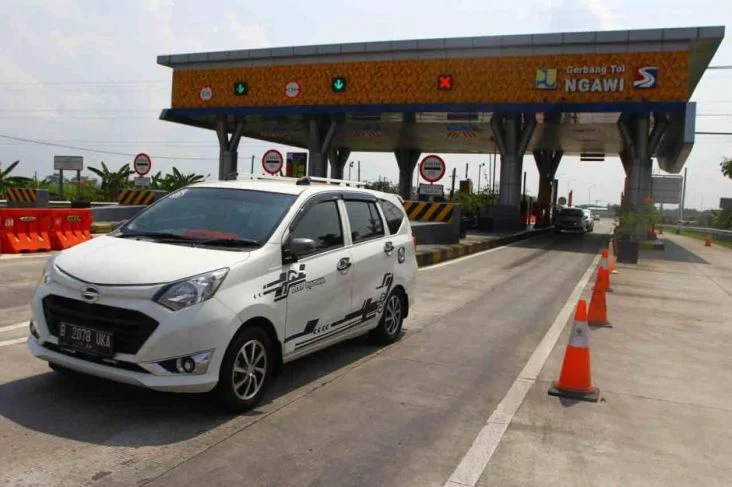
For decades, Indonesia’s toll roads have relied on Electronic Toll Collection (ETC), primarily utilizing Radio Frequency Identification (RFID) cards such as E-Toll or e-money cards. While these systems significantly improved processing speeds compared to cash payments, they still require vehicles to decelerate and pass through physical gantries. This limitation often creates bottlenecks during peak hours and holiday travel periods.
The MLFF initiative represents a paradigm shift. By leveraging satellite-based tracking, the system allows vehicles to maintain highway speeds while payment is processed automatically via a mobile application or linked digital wallet. The project, spearheaded by the Hungarian-based PT Roatex Indonesia Toll System (RITS), is part of a broader national strategy to digitize Indonesia’s transportation network. The transition has been marked by a rigorous, albeit protracted, evaluation period as the government balances technological ambition with the practical realities of national enforcement and data security.
Chronology of the MLFF Implementation
The journey toward MLFF began with a vision to streamline Indonesia’s sprawling toll road network, which spans thousands of kilometers across Java, Sumatra, and Bali.
- Early Conceptualization (2020-2021): The government initiated discussions regarding the adoption of GNSS technology to replace the conventional RFID card system. PT Roatex Indonesia Toll System was selected as the strategic partner to implement the project.
- Initial Prototype Testing (2022-2023): Small-scale technical trials were conducted to ensure that the sensors and software could accurately track vehicle movements and correlate them with the correct user accounts.
- Bali Mandara Pilot Project (2024): The Bali Mandara Toll Road was chosen as the primary testing ground due to its manageable traffic flow and distinct operational characteristics.
- Strategic Evaluation (Late 2024 – Early 2025): The government paused for a comprehensive audit of the system’s legal and technical framework, leading to the current push for the "semi-commercial" second phase.
- Present Day (2026): Minister of Public Works Dody Hanggodo has signaled a mandate to accelerate the trial, ensuring the technology is robust enough for nationwide rollout without leaving the project in a state of indefinite limbo.
The "Semi-Commercial" Trial Framework
In the upcoming phase, the scope of the trial will expand significantly beyond the limited technical tests of the past. By introducing a "semi-commercial" model, the government intends to simulate real-world revenue collection while maintaining an oversight mechanism to catch potential errors in billing or system registration.
Minister Dody Hanggodo emphasized that the government is exercising caution to ensure the technology is compatible with the diverse vehicle landscape of Indonesia. "We must critically evaluate whether MLFF is truly suitable for our local conditions. My directive is to accelerate the process to ensure clarity, preventing the project from lingering in uncertainty," Dody stated.
This trial phase is designed to be multi-stakeholder in nature. Unlike previous tests, which focused primarily on the software developer, this phase involves a cross-section of regulatory and enforcement bodies. This includes the Indonesian National Police, which will manage traffic compliance; the Motor Vehicle Tax (PKB) department, to ensure registration accuracy; and oversight bodies such as the Audit Board of Indonesia (BPK) and the Financial and Development Supervisory Agency (BPKP). The involvement of these entities is critical to establishing a legal framework for prosecuting toll violators once the system is fully operational.
Addressing the Massive Investment
The scale of this project is evidenced by the capital expenditure already committed by PT Roatex Indonesia Toll System. Reports indicate that RITS has invested approximately IDR 4 trillion into the infrastructure, including the installation of sophisticated gantries, GNSS integration, and back-end processing centers.
This financial commitment has placed pressure on the government to ensure the project reaches a definitive conclusion. However, the government has remained firm in its stance that the commercialization of MLFF is contingent upon the system passing rigorous audits. Minister Dody highlighted that the government will conduct a thorough audit of the entire investment and technology stack to ensure it adheres to contractual obligations and delivers value to the public. The focus remains on transparency, ensuring that the integration of private investment does not compromise the government’s regulatory sovereignty over national toll assets.
Broader Implications for National Logistics
The implementation of MLFF is not merely a convenience upgrade; it is a vital component of Indonesia’s economic competitiveness. High logistics costs remain a persistent hurdle for the Indonesian economy, often cited as a drag on national productivity.
- Efficiency Gains: By removing toll gates, the government expects a drastic reduction in congestion, particularly at urban toll exits. This leads to fuel savings and improved turnaround times for logistics vehicles.
- Data-Driven Traffic Management: The GNSS data collected by the MLFF system provides valuable insights into traffic patterns, which can assist in better urban planning and infrastructure maintenance scheduling.
- Revenue Assurance: A fully integrated digital system minimizes leakages and human error, potentially increasing the efficiency of toll revenue collection for infrastructure maintenance and development.
- Enforcement Challenges: The primary hurdle remains the legal framework for non-compliance. Integrating the MLFF system with vehicle registration databases ensures that toll dodgers can be held accountable through automated ticketing systems linked to their vehicle ownership data.
The Path Forward: Technical and Social Integration
For the MLFF to succeed, the government faces a twofold challenge: technological reliability and social adoption. Technologically, the system must perform flawlessly across different vehicle types, from motorcycles (if permitted) to heavy-duty trucks, under various weather conditions and signal interference scenarios.
Socially, the transition requires a high degree of digital literacy. The Ministry of Public Works, in conjunction with the Toll Road Regulatory Agency (BPJT), is expected to launch a widespread public education campaign to guide users through the app-based registration and payment processes. The success of the "semi-commercial" trial in Bali will likely determine the timeline for a phased rollout across the Trans-Java and Trans-Sumatra toll road networks.
As the government enters this critical testing phase, the focus will be on achieving a balance between innovation and stability. The lessons learned from this trial will provide the empirical basis for future infrastructure policies, ensuring that when the "no-stop" toll payment system goes live on a national scale, it will be a reliable and permanent fixture of the Indonesian transportation landscape.
The coming months will be a decisive period for the MLFF project. With the Ministry of Public Works acting as the primary mediator between private developers and public regulatory needs, the government’s commitment to a transparent and data-driven approach will be the cornerstone of this modernization effort. If successful, the MLFF will stand as a benchmark for digital governance in Southeast Asia, signaling Indonesia’s readiness to embrace the next generation of smart infrastructure.