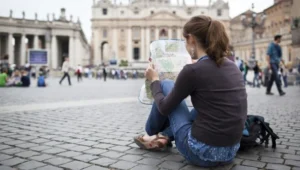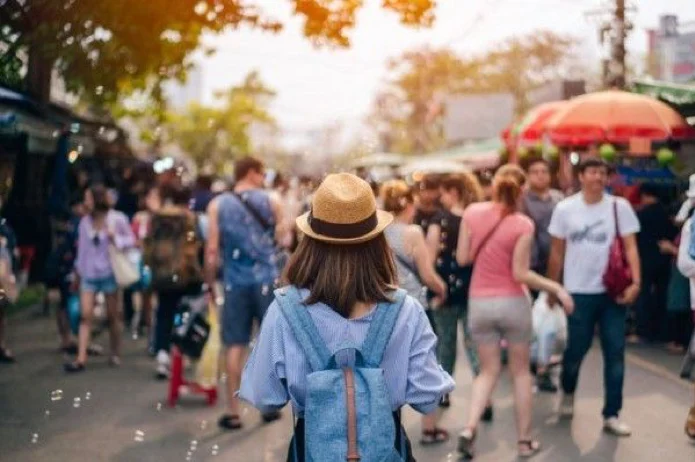
The traditional markers of success that defined previous generations—homeownership, the acquisition of luxury vehicles, and long-term domestic stability—are increasingly being replaced by a new form of wealth: experience capital. For the millennial and Gen Z demographics, the concept of investment has undergone a fundamental transformation, shifting away from tangible assets and toward the intangible but enduring value of global exploration. This evolution in lifestyle priorities is not merely a fleeting trend but a significant socio-economic movement that is reshaping the global tourism industry and the very definition of a life well-lived.
In contemporary society, traveling is no longer viewed as an occasional luxury or a brief respite from professional obligations. Instead, it has been integrated into the core lifestyle of the modern individual. The prevailing sentiment among younger cohorts suggests that an investment in experiences provides a higher return on investment (ROI) than traditional financial hoarding. This perspective is rooted in the belief that while currency may fluctuate and physical assets may depreciate, the memories, skills, and personal growth garnered through travel remain permanent fixtures of one’s identity.
The Socio-Economic Context of the Experience Economy
The rise of the "Experience Economy" is a phenomenon that has been documented by economists and sociologists alike over the past decade. According to various consumer sentiment reports, including the Deloitte Millennial Survey, a significant majority of younger adults prioritize travel and seeing the world over purchasing a home. This shift is partly a reaction to the economic landscapes they inherited. With skyrocketing real estate prices in urban centers and the lingering effects of global financial instabilities, many young professionals have opted to allocate their discretionary income toward experiences that offer immediate psychological and educational value.
Furthermore, the advancement of technology has acted as a primary catalyst for this lifestyle shift. The ubiquity of high-speed internet, the rise of remote work—often referred to as digital nomadism—and the influence of social media have democratized access to information about remote corners of the globe. Platforms like Instagram and TikTok have transformed hidden natural wonders into aspirational destinations, creating a visual currency that encourages exploration. However, beneath the surface of social media aesthetics lies a deeper drive: the search for authenticity and self-discovery in an increasingly digitized world.
A Chronology of the Travel Evolution
To understand the current state of the travel lifestyle, one must examine the chronological progression of global mobility. In the late 20th century, international travel was largely the domain of the wealthy or the retired. The "Grand Tour" model of travel was a once-in-a-lifetime event for many. However, the early 2000s saw the explosion of budget airlines and the sharing economy, spearheaded by platforms like Airbnb and Couchsurfing, which drastically lowered the barrier to entry.
The 2010s marked the era of the "authentic traveler," where the focus shifted from tourist landmarks to "living like a local." This period saw a decline in traditional tour packages in favor of independent, decentralized travel. The COVID-19 pandemic of 2020 served as a temporary but profound interruption, which ultimately intensified the desire for mobility. Upon the reopening of borders, "revenge travel" became a global trend, as individuals realized the fragility of their freedom of movement. Today, in the mid-2020s, travel has matured into a holistic lifestyle choice, centered on sustainability, mental health, and cultural immersion.
Strategic Frameworks for the Travel Lifestyle
Transitioning from a traditional lifestyle to one centered on travel requires more than just financial resources; it demands a shift in mindset and a specific set of life skills. Industry experts and veteran travelers suggest three primary pillars for successfully adopting travel as a lifestyle: mental fortitude, strategic flexibility, and cultural adaptability.
1. The Cultivation of Mental Fortitude and Courage
The most significant barrier to a travel-centric lifestyle is often psychological rather than financial. The transition requires individuals to step outside their "safety zones"—the familiar environments of their home cities and social circles. Journalistic observations of the travel community indicate that the most successful travelers are those who do not wait for a "perfect" financial moment. Instead, they operate on the principle of "surviving and thriving" with current resources.
Courage in this context refers to the willingness to face the unknown. The world is often portrayed through a lens of risk and danger in mainstream media, but those who embrace travel as a lifestyle frequently find that global communities are far more welcoming than anticipated. By prioritizing action over over-analysis, individuals can break the cycle of procrastination and begin their journey of self-actualization.
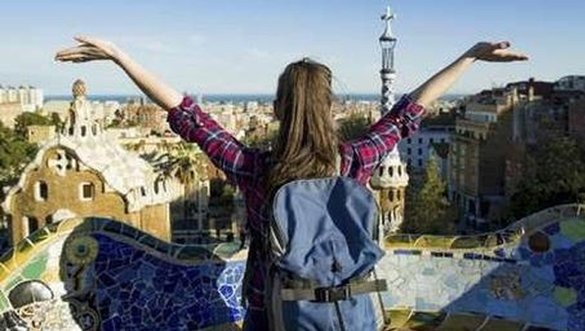
2. Strategic Flexibility and the "Slow Travel" Movement
A common mistake made by novice travelers is the attempt to over-schedule. Professional travel analysts suggest that a rigid itinerary often leads to burnout and missed opportunities. The modern travel lifestyle advocates for "slow travel"—the practice of spending longer periods in a single location to truly understand its rhythm.
The advice to "go with the flow" is not an endorsement of lack of preparation, but rather a call for strategic flexibility. Travelers are encouraged to have a general framework but to remain open to the serendipitous events that inevitably occur on the road. Whether it is a delayed flight, an unexpected local festival, or a recommendation from a fellow traveler, the ability to pivot without stress is what separates a tourist from a lifestyle traveler. This approach ensures that the journey remains a source of enrichment rather than a series of logistical hurdles.
3. Cultural Adaptability and Social Intelligence
As travel becomes a permanent lifestyle, the ability to adapt to diverse social environments becomes a critical survival skill. This involves more than just learning basic phrases in a foreign language; it requires a deep level of empathy and an openness to different worldviews.
The lifestyle traveler must be prepared to navigate varying social norms, religious practices, and economic conditions. This process of constant adaptation has been shown to improve cognitive flexibility and emotional intelligence. By immersing themselves in different cultures, travelers gain a nuanced understanding of global issues, which in turn fosters a more sophisticated and inclusive perspective on life.
Data-Driven Insights into the Impact of Travel
The benefits of a travel-focused lifestyle are supported by emerging data in the fields of psychology and economics. A study published in the Journal of Positive Psychology found that the happiness derived from experiential purchases (like travel) is more enduring than the happiness derived from material purchases. This is attributed to the "social value" of experiences; people are more likely to talk about their travels, creating social bonds, whereas talking about material possessions can often lead to social friction.
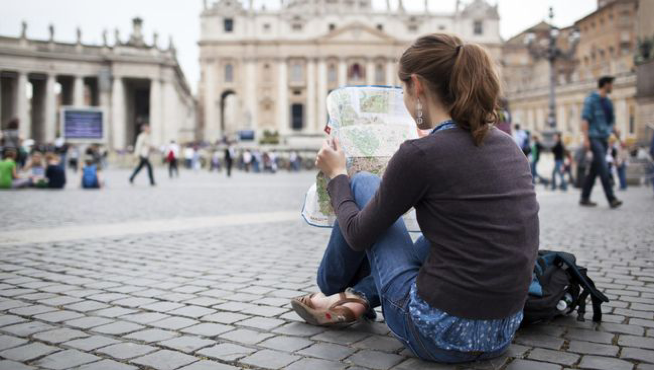
From an economic perspective, the shift toward travel has forced a pivot in the hospitality sector. There is an increasing demand for "experiential lodging" and eco-tourism. According to the World Travel & Tourism Council (WTTC), the travel and tourism sector is expected to grow at an average rate of 5.8% annually through 2032, outpacing the growth of the overall global economy. This indicates that the "lifestyle travel" trend is a robust economic engine that will continue to influence global markets for decades.
Broader Implications and Future Outlook
The broader implications of this generational shift are profound. As more individuals prioritize global experiences over local accumulation, we may see a continued decline in traditional homeownership rates among the youth, leading to a "rentership society" that values mobility. This has significant ramifications for urban planning, as cities may need to adapt to a more transient workforce.
Furthermore, the rise of travel as a lifestyle brings the issue of sustainability to the forefront. Modern travelers are increasingly conscious of their carbon footprints and the impact of over-tourism on local ecosystems. The future of this lifestyle will likely be defined by "regenerative travel"—a model where travelers seek to leave a destination better than they found it, supporting local economies and conservation efforts.
In conclusion, the transition of traveling from a hobby to a lifestyle represents a significant evolution in human values. It is a movement toward self-discovery, cultural literacy, and psychological resilience. For the modern generation, the world is no longer a map to be looked at, but a classroom to be experienced. By strengthening their resolve, maintaining flexibility, and honing their ability to adapt, individuals are not just seeing the world; they are investing in a version of themselves that is more informed, more empathetic, and more prepared for the complexities of the 21st century. The era of experience capital is here, and it is redefining the pursuit of happiness on a global scale.