Maintaining a robust cardiovascular system and a healthy digestive tract are two pillars of long-term wellness. While medical science often treats these bodily systems as distinct entities, modern nutritional research suggests that the gut and the heart share a symbiotic relationship mediated by the foods we consume. Integrating nutrient-dense whole foods into one’s daily diet can yield dual benefits, effectively mitigating risks for both chronic heart disease and gastrointestinal disorders. By focusing on specific macronutrients—namely dietary fiber, unsaturated fats, and potent antioxidants—individuals can foster an internal environment that supports systemic health.
The correlation between gut health and cardiovascular function is rooted in the body’s metabolic processes. Dietary fiber acts as a primary catalyst, facilitating the excretion of excess cholesterol and providing the essential fuel required for a thriving microbiome. Simultaneously, unsaturated fats serve to modulate lipid profiles by reducing low-density lipoprotein (LDL), often referred to as "bad" cholesterol, while antioxidants neutralize free radicals, thereby reducing systemic inflammation that contributes to arterial damage and intestinal irritation.
The Nutritional Synergy: Understanding the Mechanism
The connection between the gut microbiome and the heart has become a focal point of clinical nutrition in recent years. Research published in professional journals, such as those featured by EatingWell, consistently underscores that dietary interventions are among the most effective non-pharmacological tools available for public health.
When we consume fiber-rich foods, the byproduct of fermentation in the colon—short-chain fatty acids (SCFAs)—plays a significant role in cardiovascular regulation. Furthermore, inflammation is a shared culprit in both heart disease and inflammatory bowel conditions. By selecting foods rich in polyphenols and specific antioxidants, patients can potentially dampen the inflammatory response, providing a protective shield for both the cardiac muscle and the lining of the digestive tract.
1. The Nutritional Power of Apples: A Prebiotic Staple
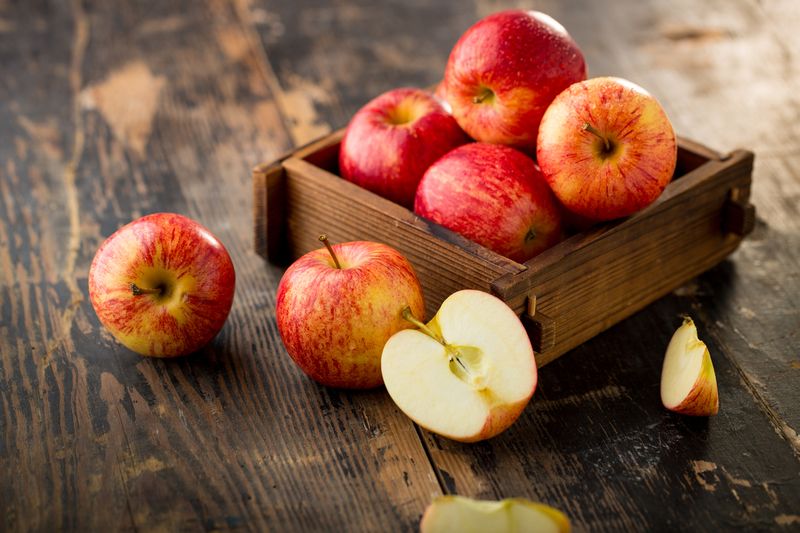
Apples remain one of the most accessible and effective functional foods for cardiovascular and digestive health. Beyond their convenience, apples contain a high concentration of pectin, a unique form of soluble fiber. Pectin operates on two fronts: first, it functions as a potent prebiotic, selectively feeding the beneficial bacteria residing in the colon. A healthy microbiome is associated with improved immunity and better regulation of systemic blood pressure.
Second, pectin’s ability to bind with cholesterol in the digestive tract prevents its absorption into the bloodstream, effectively lowering LDL levels. Nutritionists emphasize that the consumption method is critical; the majority of the pectin content is localized in the apple’s skin. Therefore, peeling the fruit significantly diminishes its nutritional value. For optimal health, incorporating a whole, unpeeled apple into the daily diet is recommended.
2. The Role of Avocados in Lipid Management
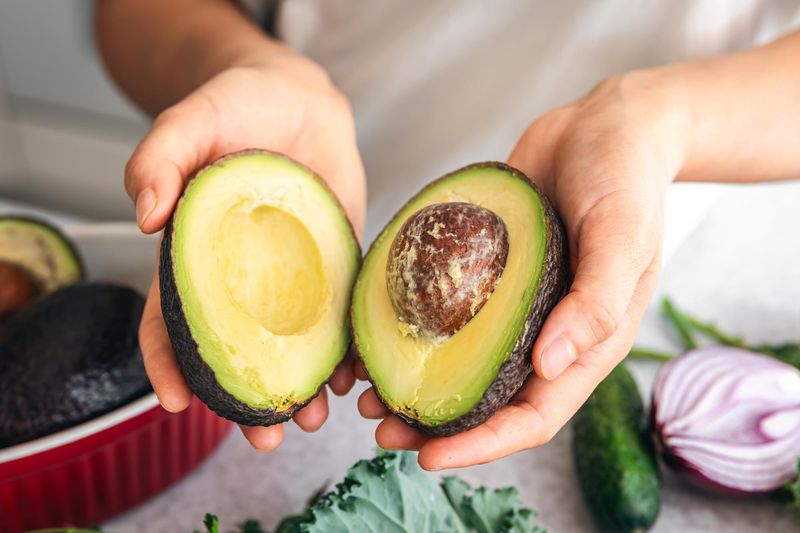
The avocado has transitioned from a culinary trend to a clinically recognized "heart-healthy" food, earning the American Heart Association’s Heart-Check certification. The fruit’s profile is defined by a high concentration of monounsaturated fatty acids. For every third of a medium-sized avocado, the body receives approximately 5 grams of these healthy fats. These fats are instrumental in replacing saturated fats in the diet, thereby promoting a healthier cholesterol profile.
Furthermore, the fiber density in avocados is noteworthy. A single avocado contains roughly 9 grams of fiber, covering nearly a third of the daily recommended intake for an average adult. This dual combination of fiber and healthy fats assists in satiety, glucose regulation, and the maintenance of a healthy gut lining, making it a cornerstone for those looking to manage weight and cardiovascular risk simultaneously.
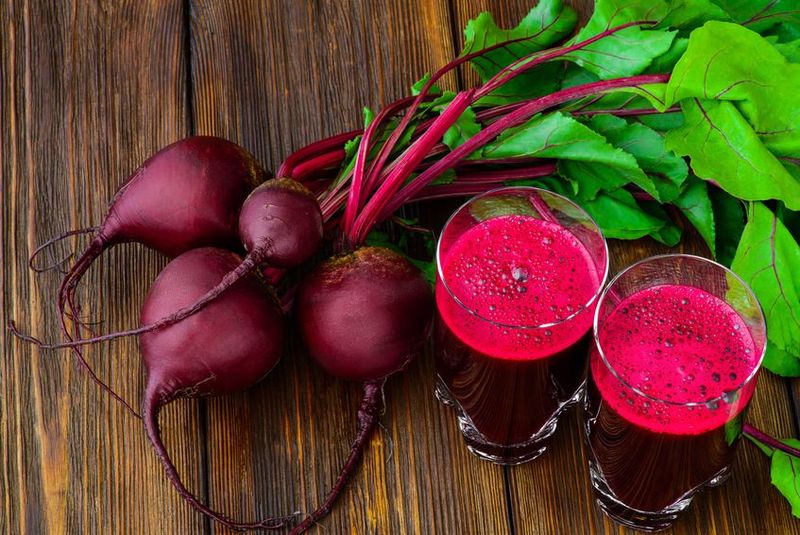
3. Beetroot: Enhancing Circulation and Microbiome Diversity
While often overlooked in Western diets, beetroot (Beta vulgaris) offers unique physiological advantages. Nutritionist Stacey Woodson, RDN, highlights that the primary benefit of beets lies in their high nitrate content. Upon ingestion, the body converts these dietary nitrates into nitric oxide. Nitric oxide is a potent vasodilator, meaning it helps relax and widen blood vessels, thereby improving blood flow and circulation, which reduces the workload on the heart.
Beyond circulatory benefits, the gut-health aspect of beets is best realized through fermentation. Pickled or fermented beets contain live probiotics that can bolster the diversity of the gut microbiota. For those unaccustomed to the earthy flavor of raw beets, integrating them into complex dishes—such as garden salads or whole-grain sandwiches—allows for consistent intake without sacrificing palatability.
4. The Polyphenol Density of Berries
Berries, including blueberries, raspberries, and strawberries, are regarded as nutritional powerhouses due to their high concentration of polyphenols. These compounds act as powerful antioxidants, protecting the vascular endothelium—the inner lining of the blood vessels—from oxidative stress. By reducing inflammation, berries support arterial health and assist in lowering blood pressure.
From a digestive perspective, the fiber content in berries is substantial. A single cup of raspberries contains approximately 8 grams of fiber, while a cup of blueberries provides 6 grams. This fiber content is essential for maintaining bowel regularity and promoting the growth of beneficial gut bacteria. Clinical evidence suggests that consistent berry consumption is linked to a lower risk of colorectal cancer, likely due to the modulation of gut inflammation by the fruit’s specific antioxidant profile.
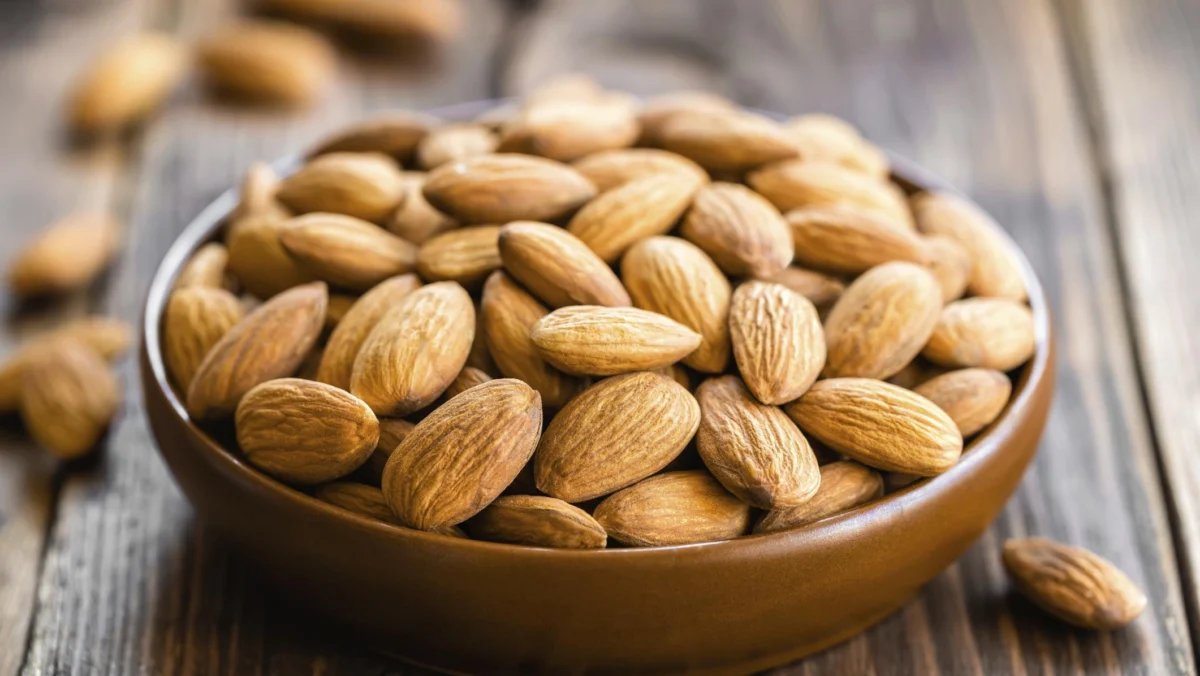
5. Almonds: A Superior Source of Healthy Fats and Fiber
Almonds have consistently ranked at the top of nutritional studies regarding heart-healthy snacks. They provide a dense supply of monounsaturated and polyunsaturated fats, which are essential for maintaining cardiovascular health and managing blood lipid levels. Furthermore, they are an excellent source of plant-based fiber, with half a cup providing 8 grams—roughly one-third of the recommended daily value.
The impact of almonds on the gut is twofold: the fiber serves as a substrate for beneficial bacteria, while the nuts themselves have been shown in various studies to improve the overall composition of the gut microbiota. However, health experts caution against the consumption of processed almonds. To maximize health benefits, consumers should opt for raw or dry-roasted varieties without added sodium, sugar, or artificial flavorings. Consuming the almonds with their brown skin intact is recommended, as this layer contains the highest concentration of protective flavonoids.
Clinical Implications and Public Health Perspectives
The broader implications of these findings suggest that the path to longevity is paved with deliberate dietary choices. As cardiovascular disease remains a leading cause of mortality globally, and digestive issues such as IBS and inflammatory bowel disease continue to rise, the "food as medicine" approach is gaining traction.
Data from the American Heart Association and various digestive health foundations suggest that shifting away from highly processed, low-fiber foods toward whole, plant-based foods like those listed above can lead to measurable improvements in blood pressure, lipid panels, and bowel transit times within weeks of implementation.
The Chronology of Nutritional Awareness
The understanding of the gut-heart axis has evolved rapidly over the last two decades. In the early 2000s, nutrition research was largely compartmentalized, focusing on individual organs. By 2010, the "microbiome revolution" began, revealing that the trillions of bacteria in the human gut could influence systemic health, including cardiac function. By 2020, clinical guidelines from major health organizations began incorporating gut-health advice into standard heart-health recommendations, acknowledging that the metabolic products of digestion are essential for vascular integrity.
Recommendations for Implementation
To maximize the benefits of these five foods, consistency is more important than volume. Nutritionists suggest the following implementation strategies:
- Gradual Integration: Increase fiber intake gradually over several weeks to allow the digestive system to adapt, preventing bloating or discomfort.
- Hydration: Fiber-rich foods require adequate water intake to move effectively through the digestive tract.
- Diversification: Do not rely on a single food item. Rotate between these five options throughout the week to ensure a broad spectrum of micronutrients and antioxidants.
- Mindful Selection: When purchasing these foods, prioritize organic and minimally processed versions to avoid the interference of additives or pesticides.
In conclusion, the synergy between heart and gut health provides a compelling rationale for a diet rich in fruits, vegetables, and nuts. By prioritizing apples, avocados, beets, berries, and almonds, individuals can create a foundation for long-term health that addresses two of the most critical systems in the human body simultaneously. These foods are not merely sustenance; they are functional tools in the ongoing effort to prevent disease and optimize physiological performance. As research continues to uncover the complexities of human biology, one fact remains clear: the health of the heart is intrinsically linked to the health of the gut, and the dinner plate is the primary place where this connection is maintained.