
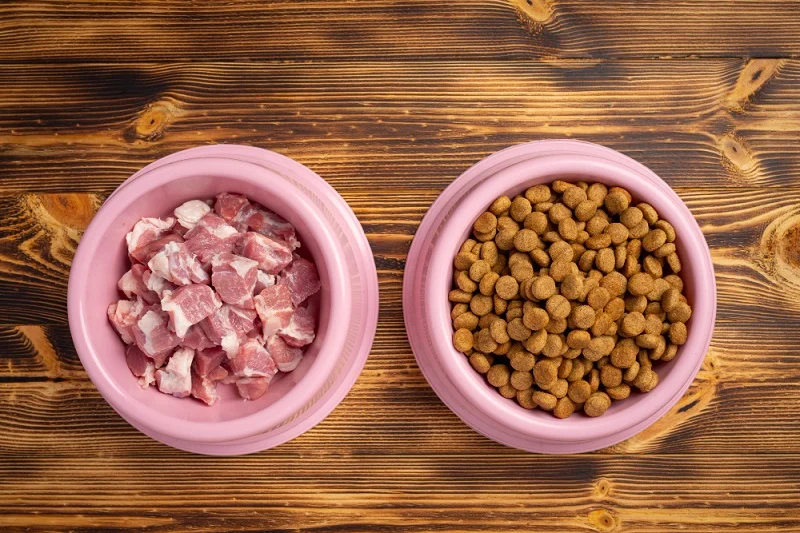
In extreme survival scenarios, such as natural disasters, economic collapse, or prolonged isolation, individuals often face the grim reality of food insecurity. As traditional food supply chains break down, the question of whether pet food—specifically designed for dogs and cats—can serve as a viable emergency food source becomes a matter of public interest. While pet food is technically composed of ingredients that are often edible for humans, its consumption is fraught with significant health risks and regulatory concerns that warrant a detailed scientific and logistical examination.
The Regulatory Gap Between Human and Animal Nutrition
The fundamental distinction between human food and pet food lies in the regulatory frameworks governing their production. In most jurisdictions, including those under the jurisdiction of the Food and Drug Administration (FDA) in the United States and similar agencies globally, human food is subject to rigorous safety standards. These standards mandate strict protocols for pathogen reduction, ingredient purity, and hygiene during the manufacturing process.
Conversely, pet food is regulated with a focus on animal health, which does not always align with human health requirements. While pet food manufacturers must ensure their products are free from harmful contaminants, the "acceptable" level of certain bacteria, such as Salmonella or E. coli, may be higher in animal products than in human food. The manufacturing facilities for pet food are frequently distinct from human food production lines, often lacking the stringent sanitation certifications required for human consumption. Furthermore, the ingredients themselves—often referred to as "animal by-products"—may include parts of livestock that are legally permissible for animal feed but are rejected for human consumption due to quality or aesthetic standards.
Nutritional Composition and Potential Risks
From a purely nutritional standpoint, pet food is formulated to be "complete and balanced," meaning it contains a blend of proteins, fats, vitamins, and minerals intended to sustain an animal’s life. However, this balance is calibrated for the specific physiology of dogs or cats, not humans. For instance, cats are obligate carnivores and require specific nutrients like taurine in proportions that may not be ideal for human health.
The primary risks associated with consuming pet food include:
- Bacterial Contamination: Pet food, particularly raw or dry kibble, is a known vector for foodborne pathogens. Humans are often more susceptible to these bacteria than the animals for which the food is intended.
- Ingredient Quality: While many ingredients are technically safe, the sourcing of "by-products" can be obscure. In some cases, these products may contain tissues that are susceptible to prion diseases or other biological contaminants that have been largely eradicated from the human food supply chain.
- Vitamin Toxicity: Certain pet foods are fortified with levels of Vitamin A or D that, while beneficial for dogs or cats, could lead to toxicity in humans if consumed in large quantities over a sustained period.
- Lack of Digestibility: Many pet foods contain high levels of fiber or fillers (such as cellulose or low-grade grain husks) designed to facilitate animal digestion, which can lead to gastrointestinal distress, bloating, and poor nutrient absorption in humans.
Historical Context and Emergency Preparedness
The discussion regarding the human consumption of pet food typically emerges during periods of acute crisis. Historically, during severe economic depressions or during wartime blockades, the desperation for protein sources has led individuals to consider non-traditional food items. However, public health organizations have consistently issued warnings against this practice.
During the 2007 pet food recall crisis—which involved melamine contamination—the dangers of the pet food supply chain became starkly apparent. The recall highlighted how limited the oversight of pet food ingredients can be, as manufacturers were caught using contaminated wheat gluten sourced from overseas. This event serves as a critical reminder that when the human food supply chain is compromised, turning to the pet food supply chain offers no guarantee of safety.
Expert Perspectives on Survival Nutrition
Nutritionists and food safety experts emphasize that if an individual is in a life-threatening situation where no other food is available, the decision to consume pet food must be weighed against the high probability of secondary health complications.
"The nutritional profile of a can of dog food might look comparable to a can of stew on a label, but that label does not account for the heavy metal content, the lack of quality control on raw materials, or the potential for bacterial growth," notes a representative from a leading food safety advocacy group. "If one is forced to resort to this, it should be an absolute last resort, consumed only in minimal amounts to stave off starvation, and with the full understanding that the risk of food poisoning is significantly elevated."
Economic and Supply Chain Implications
The rise in food insecurity globally has led some humanitarian agencies to explore alternative protein sources. However, pet food is rarely considered a viable solution for large-scale aid. The supply chain for pet food is entirely separate from the food bank network, and redirecting pet food for human consumption would create logistical bottlenecks and potential legal liability for manufacturers.
Furthermore, the economic impact of diverting pet food is negligible. The market for pet food is currently experiencing a boom, driven by the "humanization" of pets, where owners demand higher-quality, human-grade ingredients for their animals. This shift has inadvertently narrowed the gap between some high-end pet foods and human food; however, it has also driven up the prices, making it an impractical source of emergency calories for the economically disadvantaged.
Fact-Based Analysis of Emergency Alternatives
In a disaster scenario, experts recommend prioritizing resources in the following order:
- Shelf-stable human food: Canned vegetables, fruits, and proteins that are processed for human safety.
- Dehydrated goods: Rice, beans, and oats, which offer high caloric density and long shelf lives.
- Water purification: Maintaining hydration is statistically more critical than caloric intake in the first 72 hours of an emergency.
If an individual is in a situation where only pet food is available, they are advised to follow these precautions to mitigate (though not eliminate) risk:
- Check for "Complete and Balanced" Labels: Avoid products labeled "for intermittent feeding only" or "treats," as these lack essential nutrients and may have concentrated levels of additives.
- Avoid Raw Diets: Never consume raw or frozen pet food, as these are significantly more likely to contain dangerous bacteria like Salmonella and Listeria.
- Heat Thoroughly: If possible, cook or boil the product to reach a temperature that might kill some surface-level pathogens, though this will not neutralize toxins or heavy metals.
- Monitor Health: Be prepared for gastrointestinal illness. Dehydration resulting from diarrhea or vomiting is a major risk factor in survival scenarios.
Broader Implications for Public Health Policy
The debate over the edibility of pet food highlights a broader concern regarding the transparency of food labeling and the standards of industrial processing. As global populations face increasing uncertainty due to climate-driven agricultural disruption and geopolitical instability, the necessity for robust, accessible emergency food reserves becomes paramount.
Governments and non-governmental organizations are increasingly focusing on the development of "emergency ration" programs that are specifically designed for human survival. These rations are nutrient-dense, shelf-stable, and, crucially, produced under the same regulatory rigor as standard supermarket food. By investing in these programs, society can prevent the desperation that leads individuals to seek out unsuitable, and potentially hazardous, alternatives.
Conclusion
While it is technically possible for a human to consume pet food without immediate fatal consequences, it remains a practice that is fundamentally unsafe and biologically ill-advised. The difference in regulatory oversight, bacterial load, and long-term nutritional suitability makes pet food an unreliable and risky substitute for human food. In times of crisis, the focus should remain on developing and distributing secure, human-grade emergency food supplies, rather than relying on the pet food industry to fill the gap. Public health officials continue to advocate for preparedness, emphasizing that the best way to avoid the necessity of such desperate measures is to maintain a properly stocked supply of human-grade emergency rations.
