
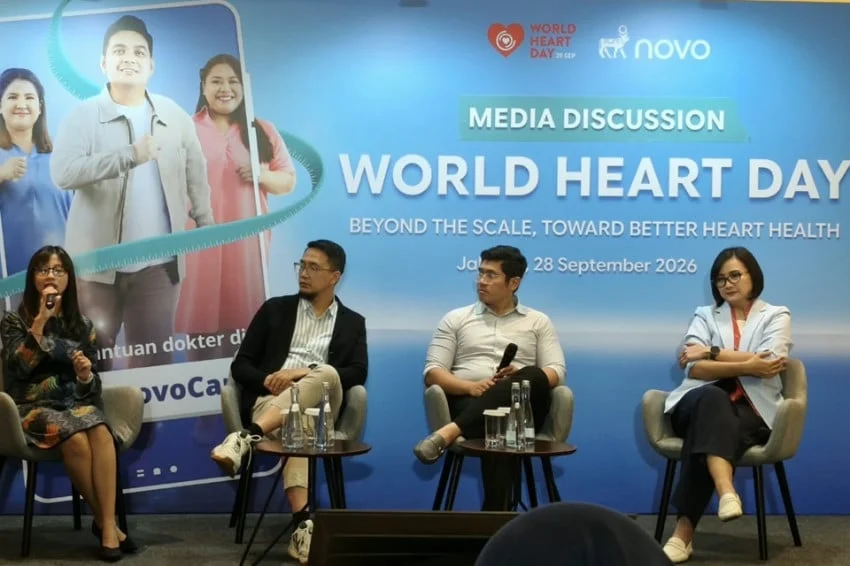
Cardiovascular disease (CVD) maintains its position as the leading cause of mortality worldwide, claiming millions of lives annually and accounting for nearly one in three deaths globally. As the international medical community observes World Heart Day 2026 under the evocative theme "Don’t Miss a Beat," the conversation has shifted from simplistic weight management to a more nuanced understanding of the physiological links between excess adiposity and heart health. In a recent media discussion hosted by Novo Indonesia, experts underscored that the relationship between obesity and cardiovascular health is far more complex than a numerical reading on a bathroom scale.
The Escalating Crisis of Cardiovascular Disease
The global burden of cardiovascular disease is reaching a tipping point. According to the World Health Organization (WHO), non-communicable diseases (NCDs) kill 41 million people each year, equivalent to 74% of all deaths globally. CVDs—which include coronary heart disease, cerebrovascular disease, and rheumatic heart disease—are responsible for the majority of these deaths.
In Indonesia, the situation is particularly concerning. Epidemiological studies suggest that individuals categorized as obese face an 85% higher probability of developing cardiovascular complications within the next decade compared to those with a healthy body mass index (BMI). This data point serves as a stark reminder that the current trajectory of lifestyle-related illnesses requires immediate, systemic intervention rather than passive observation.
Decoding the Complexity of Obesity
During the "Beyond the Scale" media forum, Associate Director of Medical & Regulatory at Novo Indonesia, Dr. Riyanny M. Tarliman, provided critical context regarding the perception of obesity. Dr. Tarliman emphasized that obesity must be classified as a complex, chronic disease rather than a consequence of poor personal choices or a lack of willpower.
"Obesity is influenced by a multi-factorial landscape, ranging from biological predispositions to environmental and socio-economic drivers," Dr. Tarliman noted. "Because of this, we must move away from the stigmatization of weight and toward a clinical framework. The management of obesity requires a precise, comprehensive, and sustainable approach tailored to the specific metabolic needs of each individual."
This shift in perspective is consistent with modern medical consensus, which views obesity as a disease of the energy-regulating system. When the body’s internal feedback loops regarding hunger, satiety, and energy expenditure are disrupted, long-term weight management becomes an exercise in medical intervention rather than a mere lifestyle adjustment.
The Biological Pathway: How Obesity Damages the Heart
The mechanical burden of carrying excess weight is only one facet of the problem. Dr. Bobby Arfhan Anwar, a consultant cardiologist and vascular specialist, explained the invisible, internal damage caused by obesity.
"When we look at the heart, we are not just looking at a pump; we are looking at an organ that is highly sensitive to systemic inflammation," Dr. Anwar explained. "Obesity triggers chronic, low-grade inflammation throughout the body. This inflammatory state is a major contributor to atherosclerosis—the process by which plaque builds up on the inner walls of the arteries."
When this plaque accumulates in the coronary arteries, it restricts the flow of oxygen-rich blood to the heart muscle. If the artery becomes severely narrowed or completely blocked, the result is a myocardial infarction, or heart attack. Furthermore, the excess adipose tissue often found in obese individuals is metabolically active, secreting pro-inflammatory cytokines that directly damage the endothelial lining of the vascular system. This creates a feedback loop: the heart works harder to pump blood through stiffer, narrower vessels, leading to hypertension, left ventricular hypertrophy, and eventually, heart failure.
Timeline and Global Context of the Awareness Movement
The movement to integrate obesity management into heart health awareness has evolved significantly over the last decade:
- 2015-2018: Public health initiatives began focusing primarily on nutrition labels and exercise, with limited success in curbing the global rise of obesity.
- 2020: The COVID-19 pandemic highlighted the vulnerability of obese individuals to severe respiratory and cardiovascular outcomes, forcing a rethink of public health priorities.
- 2023: Global health authorities officially recognized obesity as a chronic disease in clinical guidelines, setting the stage for the 2026 "Don’t Miss a Beat" campaign.
- 2026 (Present): The focus has moved toward "Beyond the Scale," emphasizing that cardiovascular protection requires medical oversight, pharmacotherapy where necessary, and psychological support, rather than just calorie counting.
Supporting Data and Statistical Realities
The statistics surrounding this issue are sobering. Data indicates that approximately 17% of all cardiovascular deaths worldwide are directly linked to obesity. In many developing nations, the transition to processed, high-calorie diets has led to an "obesity paradox," where populations suffer from both malnutrition and obesity simultaneously.
Furthermore, the economic implications are profound. The cost of treating obesity-related heart disease includes not only direct healthcare spending on hospitalizations and surgeries but also indirect costs related to lost productivity, early retirement, and the strain on public health systems. In Indonesia, the rising prevalence of childhood obesity—often a precursor to adult cardiovascular conditions—has prompted calls for stricter regulations on sugar consumption and more robust physical education programs.
The Need for a Comprehensive Strategy
To address these risks, the panel of experts proposed a three-pronged approach:
- Clinical Integration: Obesity management should be a standard component of cardiology clinics. Doctors must screen for obesity as a primary risk factor for heart disease, not just a secondary symptom.
- Environment and Policy: Governments and the private sector must work together to create environments that encourage healthy eating. This includes subsidizing nutritious foods and potentially implementing levies on high-sugar or ultra-processed products.
- Sustainable Healthcare Access: Patients suffering from obesity require long-term access to specialized care. This includes access to metabolic health specialists, dietitians, and, where appropriate, medical therapies that target the underlying physiological drivers of weight gain.
Implications for Future Public Health
The message delivered at the Novo Indonesia forum serves as a wake-up call for both policy makers and the public. By reframing the conversation, the medical community hopes to reduce the stigma that prevents many patients from seeking help. When patients understand that their weight is tied to biological processes—such as hormonal imbalances or genetic predisposition—they are more likely to seek professional intervention.
The broader implication is clear: we cannot solve the heart health crisis without solving the obesity crisis. As we move further into the decade, the integration of endocrinology, cardiology, and nutrition science will be essential. The "Beyond the Scale" movement is not merely a slogan; it is a clinical directive. It calls for a transition from the outdated advice of "eat less, move more" to a sophisticated, patient-centered model of care that recognizes the profound biological interconnectedness of the human body.
Conclusion: A Call to Action
As the world marks World Heart Day 2026, the data remains undeniable. The risk to global heart health is increasing, and obesity remains a primary driver. However, the path forward is equally clear. Through comprehensive, science-backed interventions and a more compassionate, informed approach to treating obesity, it is possible to lower the incidence of cardiovascular disease.
"Don’t Miss a Beat" is a reminder that every moment counts in the fight against heart disease. By looking beyond the scale and addressing the root causes of obesity, society can better protect the heart, ensuring that individuals do not just survive, but live with better health and longevity. The collaboration between pharmaceutical innovators, medical professionals, and the general public will be the defining factor in determining whether the global community can reverse the current trend of cardiovascular mortality and build a healthier future for all.
