BMW Brilliance Automotive (BBA), the joint venture between the German luxury automaker BMW Group and the Chinese conglomerate Brilliance China Automotive, has officially commenced a significant restructuring initiative resulting in the termination of approximately 1,800 employees. This reduction, representing roughly 10 percent of the venture’s total workforce, marks a pivotal moment for the manufacturer as it navigates the increasingly complex and competitive landscape of the Chinese automotive market. The layoffs, which reportedly took effect on November 2, 2026, underscore the severe financial pressures currently weighing on traditional premium automotive brands operating within the world’s largest vehicle market.
Contextualizing the Restructuring at BMW Brilliance
The decision to reduce headcount comes after months of sustained downward pressure on sales volumes for international luxury brands in China. The automotive sector in the region has undergone a structural shift, moving rapidly toward electrification and software-defined vehicles. Domestic Chinese manufacturers, often backed by aggressive government subsidies and high-speed innovation cycles in battery technology and cabin connectivity, have successfully eroded the market share previously dominated by legacy European and American brands.
According to industry reports, the layoffs encompass a broad spectrum of the company’s operations, impacting both production line workers and administrative personnel. The facilities in Shenyang, located in Liaoning province—a critical industrial hub for BMW’s global manufacturing footprint—are the most heavily impacted. The Shenyang base has long served as the heartbeat of BMW’s localized production strategy, housing multiple vehicle assembly plants and a high-voltage battery production facility. The scale of this reduction indicates that the company is not merely trimming excess but attempting to recalibrate its cost structure to match lower-than-anticipated sales projections for the coming fiscal quarters.
Chronology and Compensation Framework
The timeline leading up to this decision has been marked by a period of silent internal evaluations regarding operational efficiency. Sources familiar with the internal operations of the joint venture indicate that the management team began evaluating staffing requirements mid-year as consumer demand for premium internal combustion engine (ICE) vehicles—the traditional stronghold for brands like BMW—began to stagnate.
To mitigate the social and economic impact of these involuntary separations, BMW Brilliance Automotive has implemented a severance package structured under the "N+5" formula. In this context, "N" represents the employee’s total years of service multiplied by their average monthly salary prior to taxation. The "+5" addition provides a cushion of five months of base salary. Notably, this calculation excludes performance-based bonuses, which have likely been volatile or non-existent for many staff members given the current financial headwinds. The program has been applied across various tenure levels, impacting employees who have been with the firm for as little as three years as well as senior management and front-line supervisors.
Analyzing the Market Headwinds in China
The crisis facing BMW is representative of a broader systemic challenge for traditional OEMs (Original Equipment Manufacturers). For decades, the Chinese market was a reliable engine for profit growth, where the "BMW" badge carried significant social status and prestige. However, the rise of "New Energy Vehicles" (NEVs) has fundamentally altered consumer preferences.
Data from the China Passenger Car Association (CPCA) has shown that in recent years, the penetration rate of electric vehicles has climbed at a rate that has surprised global analysts. When domestic competitors offer high-tech, luxury-adjacent electric vehicles at significantly lower price points than a comparable BMW, even the most loyal consumer segments have shown signs of shifting. Furthermore, the persistent economic slowdown in China, characterized by cautious consumer spending and a dampened real estate sector, has reduced the disposable income typically earmarked for high-end luxury vehicle purchases.
Strategic Implications for the BMW Group
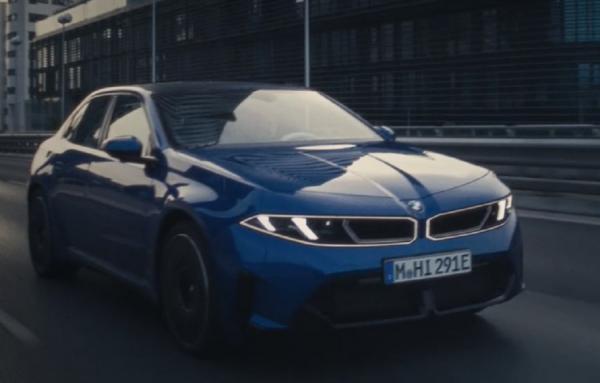
The layoffs in China represent a critical juncture for the BMW Group’s global strategy. As the company invests heavily in its "Neue Klasse" platform—a new generation of electric vehicles designed to compete on a global scale—the financial drain from its most significant market necessitates strict fiscal discipline.
Maintaining a massive workforce in China while sales volume declines leads to unsustainable overheads. By streamlining operations in Shenyang, BMW is likely attempting to preserve its profit margins even if total volume remains below historic peaks. Analysts suggest that this move is a defensive posture, ensuring that the company has the liquidity to continue its transition toward electrification without overextending its operational costs.

However, the reduction of 1,800 workers also poses risks. It may signal to the market that the company’s growth trajectory in China has plateaued. Additionally, there is the potential for reputational risk, as large-scale layoffs can impact brand perception in a market where corporate stability is often viewed as a proxy for product reliability.
Industry-Wide Trends and Comparative Challenges
BMW is by no means the only global automaker facing these challenges. Rivals such as Mercedes-Benz and Volkswagen have also reported similar difficulties in the Chinese market. Volkswagen, in particular, has faced intense pressure from Chinese competitors like BYD, leading to speculation about potential plant closures and workforce adjustments in its own operations.
The struggle is multi-dimensional. Beyond the shift to electric, there is the issue of "software sovereignty." Chinese consumers demand seamless integration with local digital ecosystems, including sophisticated voice recognition, advanced driver-assistance systems (ADAS), and integrated entertainment services. Legacy automakers have often struggled to pivot their software development culture quickly enough to meet these expectations. Consequently, the layoffs at BMW may reflect not just a lack of sales, but a pivot in how the company intends to develop and deliver its future products—perhaps by outsourcing more functions or consolidating its research and development operations to be more agile.
Looking Ahead: The Future of the Joint Venture
The partnership between BMW and Brilliance has historically been one of the most successful examples of a foreign-domestic joint venture in China. It has weathered trade wars, regulatory shifts, and the COVID-19 pandemic. However, the current environment is arguably the most challenging the partnership has faced since its inception.
The coming months will be critical for the company. Observers will be monitoring whether the workforce reduction effectively stabilizes the financial health of the joint venture or if further cuts will be required as the market continues to evolve. Furthermore, the company must address how it will maintain its market position against domestic rivals who are currently benefiting from lower production costs and a more localized supply chain.

For the employees affected, the severance package provides a temporary safety net, but the broader labor market in China remains tight, particularly in the manufacturing sector as automation increases. The situation at BMW Brilliance serves as a bellwether for the rest of the industry; as the transition to electric mobility accelerates, the structure of the automotive workforce is inevitably going to look very different from what it was a decade ago. The automotive sector, once defined by the sheer scale of its factory floors, is moving toward a future defined by efficiency, digital integration, and, unfortunately, a leaner workforce.
In conclusion, the 1,800 layoffs at BMW China are a direct consequence of a rapidly changing market environment where the traditional luxury status quo is no longer sufficient to guarantee growth. By proactively trimming its workforce, BMW is attempting to navigate a period of significant uncertainty. Whether this move will be sufficient to restore the company’s competitive edge in China remains to be seen, but it is clear that the industry’s "China strategy" is undergoing a painful but necessary evolution.