The Trade Expo Indonesia (TEI) 2026, held from October 14 to 18 at the Indonesia Convention Exhibition (ICE) BSD in Tangerang, served as a pivotal stage for six Indonesian small and medium-sized enterprises (SMEs) supported by PT Telkom Indonesia (Persero) Tbk to showcase their products to an international audience. This strategic initiative underscores Telkom’s ongoing commitment to digitizing and internationalizing the domestic SME sector, providing these businesses with the essential tools, networking opportunities, and global exposure required to compete in a complex, interconnected global economy.
A Gateway to Global Commerce
Trade Expo Indonesia is widely recognized as the nation’s premier business-to-business (B2B) exhibition, designed to facilitate trade transactions and foster partnerships between Indonesian suppliers and international buyers. In its 2026 iteration, the event focused on the theme of "Sustainable Trade for Global Economic Growth," drawing thousands of delegates from across the globe. For Telkom-supported SMEs, participation in TEI 2026 was not merely an opportunity to sell goods but a strategic milestone in their journey toward market readiness and export scalability.
The six selected SMEs—Keumamah Cutkak, Fiorellya by Dwee, Dbaloy, Rendang Oma Keenan, Zura Snack, and IQLEEM—represented a diverse cross-section of Indonesia’s creative and food processing industries. By integrating these businesses into a global trade environment, Telkom aimed to bridge the gap between local artisanal quality and international market standards, ensuring that Indonesian products are positioned effectively against global competitors.
Chronology of Success: Building Connections
The five-day event was structured to maximize engagement between exhibitors and international delegates. The chronology of the event began with a grand opening ceremony on October 14, followed by specialized business matching sessions that ran throughout the duration of the expo. These sessions were critical, as they allowed SME owners to pitch their products directly to procurement officers, wholesalers, and retail distributors from various countries.
By the conclusion of the event on October 18, the six SMEs had successfully generated 82 distinct buyer leads. Of these, 35 were identified as high-potential international prospects spanning 18 countries across four continents. This data-driven outcome highlights the efficiency of Telkom’s selection process and the market appeal of the products showcased. The leads represent a pipeline of potential export orders that could significantly alter the growth trajectories of these small enterprises, moving them from domestic-focused operations to export-ready businesses.
The Strategic Role of Telkom’s SME Ecosystem
Telkom’s involvement in TEI 2026 is part of a broader, long-term ecosystem strategy known as the "BISA" program. This initiative focuses on "BISA Kreatif," which aims to bolster the creative and operational capacity of SMEs through digital transformation, mentorship, and business development support.
According to Hery Susanto, Senior General Manager of Social Responsibility at Telkom, the primary objective of this intervention is to ensure long-term sustainability. "For Telkom, the success of our SMEs in participating in an exhibition of this scale is not merely measured by the volume of transactions finalized on the floor. It is measured by the quality of the partnerships formed and the potential for long-term collaboration after the event concludes," Susanto stated.
He further emphasized the philosophy of "Bersama Jadi Bisa," or "Together We Can," which serves as the foundation of Telkom’s social responsibility efforts. By providing the infrastructure and the platform, Telkom encourages SMEs to refine their product quality, improve their supply chain reliability, and adopt professional business practices that are prerequisites for international trade. This, he noted, is the critical pathway toward "BISA Export"—a systematic program designed to prepare Indonesian SMEs for the complexities of global trade, including compliance, packaging standards, and logistical management.
Spotlight on the SMEs: A Product Overview
The product lineup presented at the expo reflected the depth and variety of Indonesian cultural and industrial output. The selection was carefully curated to showcase high-value goods that cater to both the large Indonesian diaspora and the growing global appetite for unique, high-quality products:
- Keumamah Cutkak: Hailing from Aceh, the brand showcased its signature Sambal Tuna, a product that leverages traditional curing techniques with modern, shelf-stable packaging.
- Dbaloy: Specializing in Indonesian seafood, Dbaloy presented its Bandeng Asap (smoked milkfish), a product that requires stringent food safety standards, demonstrating the brand’s commitment to quality control.
- Rendang Oma Keenan: This brand offered a premium iteration of Indonesia’s iconic rendang, focusing on authentic flavors preserved through modern thermal processing techniques.
- Zura Snack: Representing the potential of Indonesia’s agricultural innovation, Zura Snack introduced processed breadfruit (sukun) products, catering to the growing global demand for healthy, plant-based, and gluten-free snack alternatives.
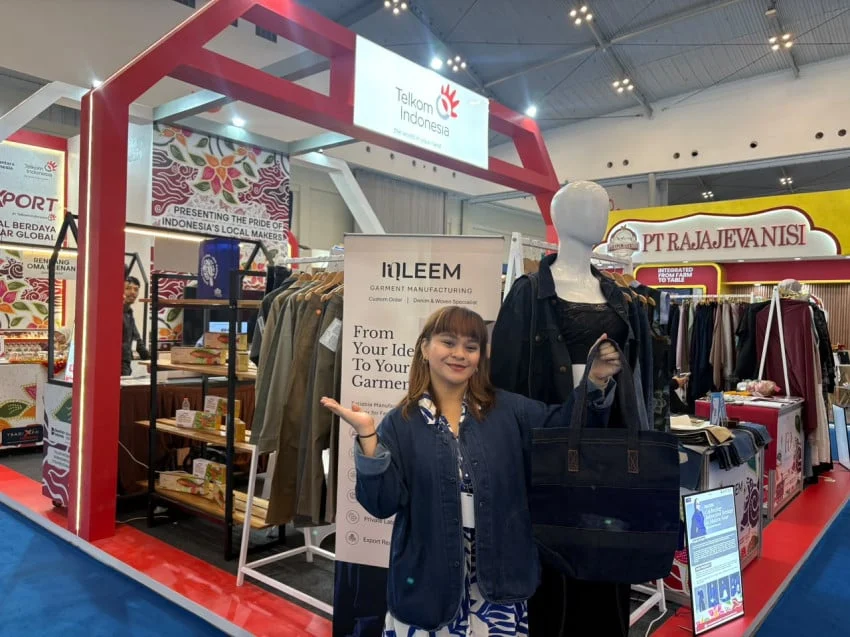
- Fiorellya by Dwee & IQLEEM: These fashion brands highlighted the strength of Indonesia’s textile and garment manufacturing. Fiorellya focused on contemporary Muslimah fashion, while IQLEEM showcased scalable manufacturing capabilities, proving that Indonesian fashion brands can meet the requirements of both local and international retailers.
Fact-Based Analysis: The Impact on Indonesia’s Export Landscape
The participation of these SMEs in TEI 2026 provides a microcosm of the challenges and opportunities facing the Indonesian SME sector. While SMEs account for over 60% of Indonesia’s GDP, their contribution to total national exports remains disproportionately low, hovering around 15%. Bridging this gap is a national economic priority.
Programs like those implemented by Telkom serve as a vital catalyst. By facilitating exposure to international buyers, Telkom helps these SMEs overcome the "information asymmetry" that often prevents smaller firms from accessing foreign markets. The 82 buyer leads generated during the event serve as an indicator that when supported by proper branding and marketing, Indonesian products are highly competitive.
However, the transition from "lead" to "contract" is where the real challenge lies. Experts in trade development note that for these SMEs to capitalize on the interest generated at TEI 2026, they must now navigate the technicalities of international trade, such as international certification (e.g., ISO, HACCP, or Halal certification for food products), currency exchange risk, and international logistics. Telkom’s role, therefore, extends beyond the expo; it involves ongoing consultancy to ensure these businesses remain compliant and capable of fulfilling international orders.
The Digital Transformation Imperative
At the core of Telkom’s support is the integration of digital tools. Modern trade requires real-time communication, digital inventory management, and e-commerce readiness. Telkom has leveraged its position as a telecommunications giant to provide these SMEs with cloud-based management systems and digital marketing support, ensuring they can communicate effectively with potential international partners.
The use of digital platforms to track the progress of these 35 international leads is a testament to the digital-first approach. By digitizing the lead management process, Telkom ensures that no opportunity is lost and that the SMEs are guided through the follow-up process with professional precision. This digital integration is likely to be the differentiator that separates successful exporters from those who remain limited by traditional, analog business methods.
Future Outlook and Policy Implications
The success of the Telkom-supported SMEs at TEI 2026 sets a precedent for future collaborations between state-owned enterprises (SOEs) and the private sector. The Indonesian government has consistently signaled that strengthening the SME sector is essential for resilient economic growth. As Indonesia navigates the post-2026 economic environment, the scalability of these SMEs will determine the success of the national export diversification strategy.
Looking ahead, the focus for Telkom will be on "post-expo sustainability." This involves transitioning the interest generated at TEI 2026 into tangible contracts, which may require further investment in production capacity and international standard compliance. If these six SMEs can successfully deliver on their first international orders, they will serve as success stories that can inspire thousands of other Indonesian businesses to seek global expansion.
In conclusion, the participation of the six SMEs in Trade Expo Indonesia 2026, under the banner of Telkom Indonesia, marks a significant step forward in the country’s economic roadmap. By blending traditional entrepreneurial spirit with modern digital support and strategic global networking, these enterprises have proven that they are ready to compete on the world stage. The results achieved at the expo are not just figures on a page; they are the seeds of a more robust, globally integrated Indonesian economy. As these businesses continue to refine their operations, they contribute to the broader national objective of ensuring that "Made in Indonesia" becomes synonymous with quality, innovation, and sustainability in the global marketplace.