
The digital landscape has once again become a battleground for public opinion as popular Indonesian influencer and gamer, Livy Renata, finds herself at the center of a heated debate regarding her lifestyle choices. Known for her frequent updates from across the globe, the 24-year-old content creator has been subjected to significant criticism from netizens who argue that her persistent display of international travel and luxury dining is insensitive to the current socioeconomic climate in Indonesia. This controversy highlights a growing tension between the curated world of social media influencers and the shifting expectations of an audience increasingly conscious of economic disparities and digital ethics.
The discourse surrounding Livy Renata is not an isolated incident but rather a symptom of a broader societal trend where public figures are held to higher standards of "social awareness." As the gap between the affluent lifestyle of influencers and the financial realities of the average citizen becomes more visible, the digital community has begun to employ terms like "tone-deaf" to describe content that they perceive as disconnected from the hardships faced by the general population.

Chronology of the Digital Backlash
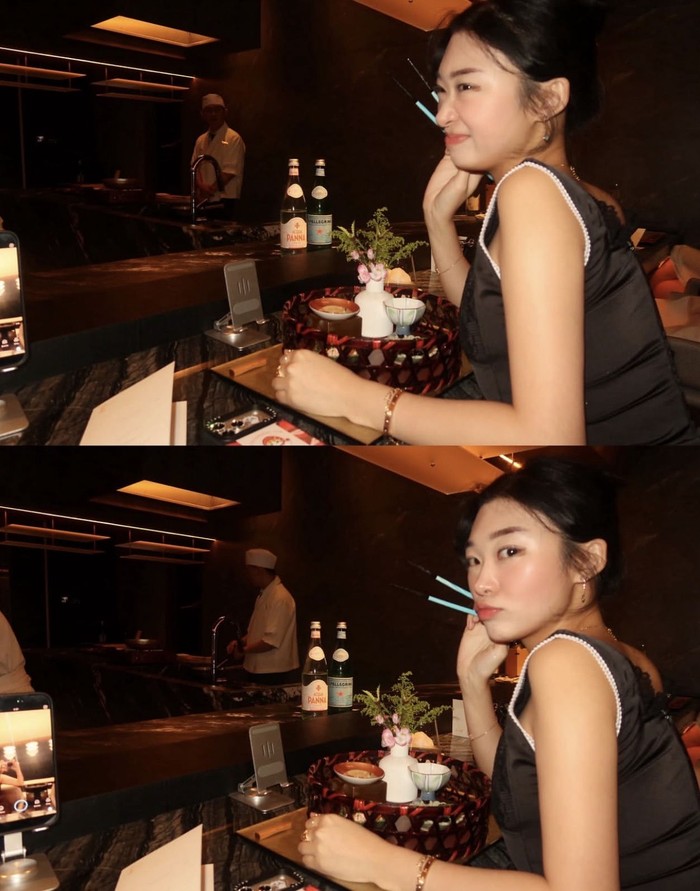
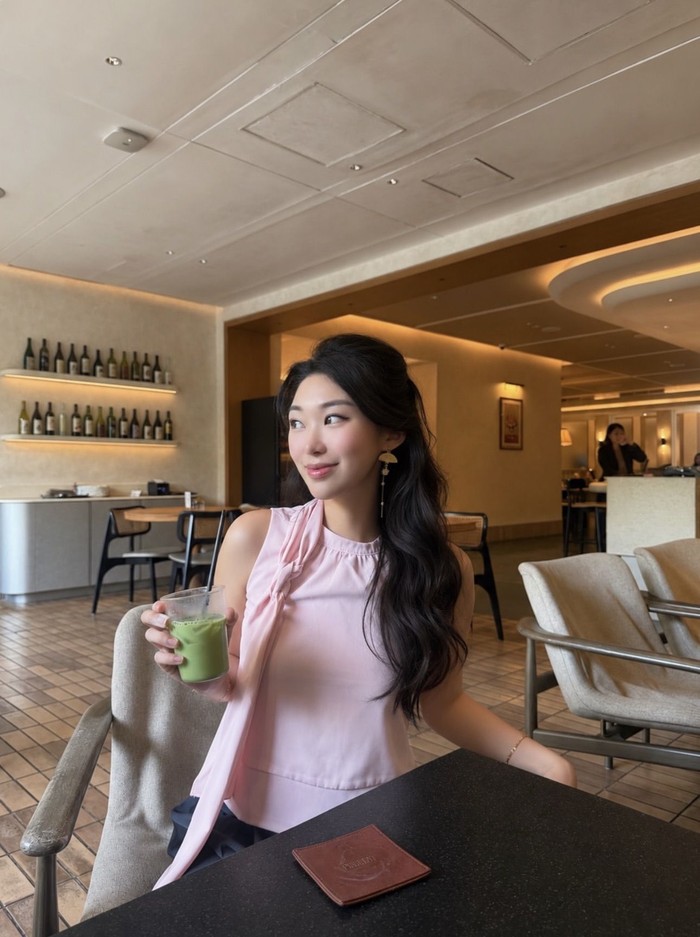
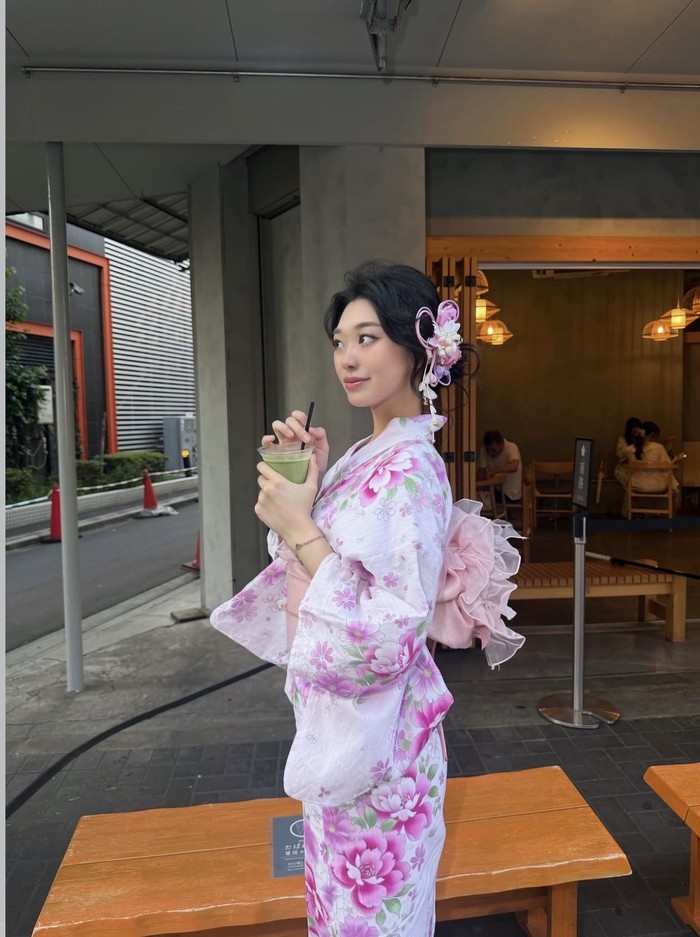
The recent wave of criticism began to gain momentum in early November 2026, following a series of posts on Livy’s Instagram account that showcased her travel itinerary across various international destinations. Throughout the year, her feed has been a montage of high-end experiences, ranging from the vibrant street food scenes of Bangkok to the refined culinary traditions of Japan and the bustling dining establishments of Shanghai.
While travel content is a staple for many in the influencer economy, the frequency of Livy’s excursions—coupled with the timing of these posts during a period of economic uncertainty—triggered a surge in negative engagement. Users began to flood her comment sections, questioning the necessity of such frequent travel and suggesting that her content lacked a sense of responsibility or empathy toward the struggles of those grappling with inflation and economic instability in her home country.
Livy Renata’s Perspective and Defense
In response to the mounting pressure, Livy Renata has addressed the allegations of insensitivity. In recent statements, the influencer maintained that her lifestyle is a reflection of her personal philosophy regarding youth. Born in 2002, Livy emphasized that her twenties represent a transient window of opportunity to explore the world, gain new cultural experiences, and document her journey for her followers.

She defended her travel habits by clarifying that not all of her experiences are defined by opulence. Her documentation includes a mix of high-end dining and humble street-side experiences, such as her widely viewed visit to Bangkok’s local food markets. According to her representatives and her own social media commentary, these trips are often work-related or part of her personal growth strategy, intended to provide her audience with diverse cultural perspectives and culinary insights. She asserts that her content is not designed to be flaunted, but rather shared as a narrative of a young person navigating the world.
The Phenomenon of "Tone-Deaf" Influencer Culture
The term "tone-deaf," which has been frequently directed at Livy in this controversy, refers to a lack of awareness regarding the social context of one’s actions. In the context of influencer marketing, this occurs when a creator continues to project an image of extreme privilege during times when their audience is facing collective hardship.
Sociological experts studying the digital economy note that influencers occupy a precarious position. While they rely on the "aspirational" nature of their content to maintain relevance and brand partnerships, they are also subject to the "parasocial" nature of the internet, where followers feel a sense of intimacy and accountability toward the creator. When an influencer fails to acknowledge the socioeconomic reality of their audience, that parasocial bond can quickly turn into resentment.
Data from social media sentiment analysis platforms indicates that while engagement on Livy’s posts remains high—partly due to the controversy—the sentiment score has shifted from positive to neutral-negative. This trend is common in modern influencer cycles, where "hate-watching" or engaging in discourse in the comments section can paradoxically increase the reach of a post while simultaneously damaging the creator’s long-term brand equity.
Comparative Analysis: The Indonesian Influencer Landscape
Livy Renata is not alone in navigating this scrutiny. The Indonesian influencer market has matured rapidly, with creators now facing intense pressure to produce content that is not only visually appealing but also socially conscious. Historically, influencers were expected to act as conduits for brands, promoting products through a lifestyle lens. However, the post-2025 landscape demands a more authentic connection with the audience.
Comparatively, other Indonesian celebrities and influencers have adopted "community-centric" content strategies to mitigate potential backlash. This involves highlighting local tourism, philanthropic efforts, or even transparent discussions about the cost of living. By contrast, Livy’s steadfast focus on international travel has made her a lightning rod for criticism, as her brand is explicitly tied to the global, high-mobility lifestyle that is currently under fire.
Economic Implications and Future Outlook
The controversy has implications for both Livy’s personal brand and the broader influencer marketing industry in Southeast Asia. For brands collaborating with creators, the "tone-deaf" label is a significant risk factor. Companies are increasingly conducting "social sentiment audits" before finalizing partnerships to ensure that an influencer’s image aligns with the company’s corporate social responsibility (CSR) goals.
If Livy continues to face this level of criticism, she may need to pivot her content strategy. Diversifying her output to include more local travel—which she has already begun to incorporate with trips to locations like Ubud, Bali—might serve as a strategic bridge to reconnect with her domestic audience. Enjoying the scenic beauty of an Indonesian rice field while sipping local coconut water, as she has recently demonstrated, provides a grounded alternative to her international adventures.
Public Reaction and Expert Commentary
Public reaction remains polarized. A segment of her fanbase argues that she is a private citizen entitled to spend her earnings as she sees fit, pointing out that she has not engaged in illegal or unethical behavior. They argue that the criticism is rooted in "cancel culture" and jealousy rather than genuine social concern.

Conversely, those critical of her behavior argue that public figures have a platform that carries inherent responsibility. They suggest that during periods where many in Indonesia are struggling to afford basic necessities, flaunting an extravagant lifestyle is a display of excess that alienates the very people who built her career.
Marketing experts suggest that the most effective way for Livy to move past this controversy is to acknowledge the concerns of her followers without being defensive. A shift toward "conscious travel" or highlighting the cultural significance of the places she visits, rather than just the aesthetic or culinary appeal, could help reframe her narrative from one of privilege to one of educational exploration.
Conclusion
The case of Livy Renata serves as a quintessential study of the complexities inherent in the modern digital age. It underscores the fragility of influencer status and the evolving expectations of an audience that is no longer content with passive consumption. Whether Livy chooses to adjust her content strategy or continue on her current path, the incident acts as a broader reminder for the creator economy: in a world that is increasingly hyper-connected, the distance between the influencer and the audience is narrower than ever, and the social cost of ignoring that distance can be high.
As of late 2026, the situation remains fluid. While the initial heat of the argument may dissipate as the news cycle moves on, the underlying question regarding the role of privilege in social media content will likely persist. For now, Livy Renata remains a central figure in this ongoing dialogue, proving that in the digital era, every post is a potential point of contention, and the price of influence is a constant, public examination of one’s lifestyle.