The rapid digitalization of public utility services often brings about a wave of misinformation, and the prepaid electricity system managed by state-owned electricity giant PT PLN (Persero) has frequently found itself at the center of such digital myths. Back in November 2015, Indonesian energy observers and consumers alike were met with a viral sensation circulating across messaging applications and social media platforms: claims of hidden compensation codes embedded within the physical or digital slips of prepaid electricity token purchases. According to these rumors, entering specific numerical sequences printed on transaction receipts could unlock free kilowatt-hour (kWh) bonuses or compensation rebates for consumers.
However, energy sector experts were quick to urge caution, emphasizing that these viral claims lacked concrete empirical evidence and defied the fundamental operational logic of modern smart metering technology. Energy Watch Indonesia stepped forward early on to call for a comprehensive technical audit by PLN to dispel the mounting public confusion, highlighting the broader vulnerabilities surrounding public trust in automated utility infrastructures.
The Genesis of the Prepaid Electricity Token Phenomenon
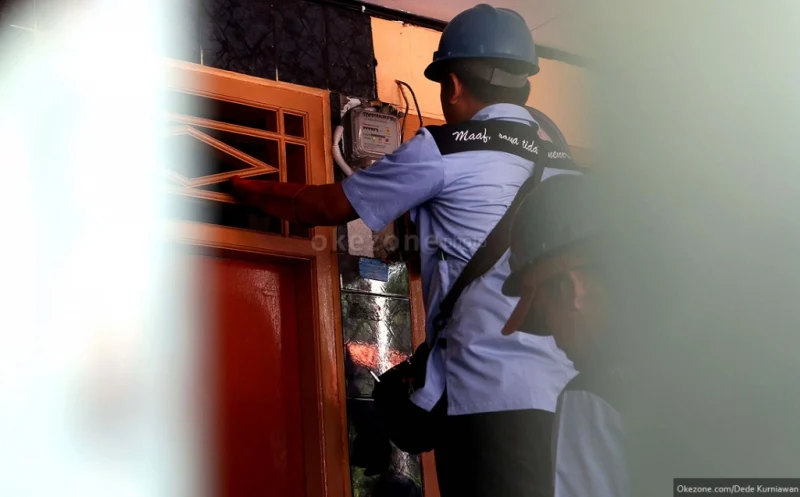
To understand the context of the 2015 viral claim, one must look back at the transition of Indonesia’s power grid management. In the early 2010s, PT PLN (Persero) aggressively promoted the adoption of Prabayar (prepaid) electricity meters, commonly known as the intelligent kWh meter or smart meter system. This transition was designed to curb mounting collection losses, reduce operational overhead associated with manual meter readings, and give consumers direct control over their daily energy consumption.
Under this system, customers purchase electricity tokens containing a unique 20-digit Token Pengisian Pulsa Listrik (Stroom Token). When entered into the keypad of the meter, the token securely transmits encrypted energy units to the household device. Because the system relies heavily on cryptographic key management systems (Vending System Standards or STS), the notion that a standard transaction slip could contain an unverified, universally applicable "compensation code" for extra kWh units sparked widespread curiosity and skepticism in equal measure.
As the rumor mill gathered momentum in late 2015, consumers across various urban centers began inspecting their purchase slips from banks, convenience stores, and mobile banking applications, searching for hidden numerical strings that promised free energy rebates. The lack of an official mechanism for such rebates created fertile ground for misinformation, compelling energy watchdogs to intervene before the public misunderstanding led to systemic attempts to manipulate smart meters.
Expert Analysis and Technical Impossibilities
Weighing in on the widespread digital phenomenon, Ferdinand Hutahaean, who served as the Executive Director of Energy Watch Indonesia at the time, firmly stated that the validity of these compensation codes had not been proven in reality. While acknowledging that the information had been circulating within consumer circles for a considerable period, he stressed that independent verification efforts had yielded zero evidence supporting the existence of functional voucher codes on standard purchase receipts.
From a technical perspective, Hutahaean evaluated the plausibility of the rumors and deemed them virtually impossible within a securely engineered vending system. Modern prepaid electricity meters operate on highly encrypted protocols regulated by international standards to prevent tampering, unauthorized credit generation, and unauthorized energy consumption.
"If we analyze this from a technological standpoint, the presence of a bonus or compensation kWh code embedded in a standard token purchase slip is virtually impossible," Hutahaean explained during an interview in Jakarta. He further noted that if such a loophole genuinely existed and allowed random codes to generate free electricity, it would point to a catastrophic vulnerability and operational negligence within PLN’s proprietary software architecture.

"This would represent a significant lapse and carelessness in the system utilized by PLN," Hutahaean added. He urged the state-owned enterprise to conduct immediate internal investigations and release a transparent, public-facing technical clarification. The urgency stemmed from a simple economic reality: if millions of smart meter users began applying unverified codes in an attempt to secure free electricity, the cumulative financial damage to PLN’s revenue streams could be catastrophic.
The Call for System Audits and Vulnerability Assessments
The emergence of the viral token code rumor underscored a critical vulnerability in the relationship between utility providers and digitally connected consumers: the information gap. When complex technological infrastructures—such as STS-compliant prepaid vending platforms—are deployed on a mass scale without comprehensive public literacy campaigns, consumers are left susceptible to urban legends and digital hoaxes.
In response to the 2015 incident, energy experts emphasized that PT PLN (Persero) bore the responsibility of auditing not only its software architecture but also the hardware endpoints installed in millions of households. Hutahaean explicitly called on PLN management to verify whether any deployed kWh meters possessed firmware anomalies or legacy diagnostic modes that could theoretically misinterpret purchase receipt data as valid energy credit inputs.
Furthermore, the incident highlighted the necessity for robust cybersecurity measures within state utility frameworks. As Indonesia pushed forward with its national smart grid initiatives, ensuring that meter-reading systems, token vending switchboards, and physical keypad interfaces remained immune to social engineering and digital rumors became paramount. A failure to address public misconceptions swiftly could degrade consumer confidence in automated billing systems, potentially inciting civil friction or widespread meter-tampering attempts driven by the belief that free electricity was intentionally being withheld.
Broader Implications for Indonesia’s Energy Sector
The 2015 prepaid token controversy serves as a valuable case study in the intersection of digital misinformation and public utility management. While the specific rumor regarding compensation codes was eventually debunked and faded from the public discourse, its implications reverberate through the ongoing evolution of Indonesia’s energy sector.
As state enterprises modernize their services through mobile applications, electronic data interchange, and automated vending networks, the attack surface for misinformation expands proportionally. Consumers accustomed to promotional codes and digital vouchers in the e-commerce sector frequently misapply the same logic to regulated utilities, failing to recognize that electricity is a finite, heavily subsidized, and strictly metered commodity governed by national laws and regulatory tariffs set by the Ministry of Energy and Mineral Resources (ESDM).
Moving forward from the events of November 2015, utility providers across Southeast Asia’s largest economy recognized the vital need for proactive communication strategies. Rather than reacting to viral hoaxes after they gain traction, modern corporate communications teams must deploy real-time digital rebuttals, educational campaigns on how smart meters function, and transparent customer service channels to intercept misinformation at its inception.
Ultimately, the phantom token codes of 2015 proved to be nothing more than a digital urban myth—a testament to the power of unverified information in the internet age. However, the rigorous response demanded by watchdogs like Energy Watch Indonesia ensured that both the public and the state electricity provider remained vigilant against the genuine technical vulnerabilities that threaten modern energy infrastructures.