The Indonesian government’s ongoing evaluation of its national energy subsidy framework has sparked intense debate among economists, policymakers, and energy experts. While structural reforms aimed at fiscal consolidation are widely viewed as necessary for sustainable national development, experts emphasize that policy shifts must prioritize social equity. Following discussions surrounding the potential phased removal of electricity subsidies for the 450 VA and 900 VA consumer brackets, the Indonesian Institute of Sciences (LIPI) has underscored the critical need for absolute equity in energy distribution. As state funds are redirected from broad consumption support, authorities face mounting pressure to ensure that unserved and underserved regions finally gain access to the national grid.
Background Context of Indonesia’s Energy Subsidy Reform
For decades, energy subsidies have formed a cornerstone of Indonesia’s social welfare system, designed to protect low-income households from volatile global energy prices. Historically, liquefied petroleum gas (LPG), fuel, and electricity were heavily subsidized by the state budget (APBN). However, these broad-based subsidies frequently faced structural criticisms. Economic analysts and international financial institutions pointed out that a significant portion of subsidy allocations benefited middle- and upper-income households rather than the vulnerable populations they were intended to protect.
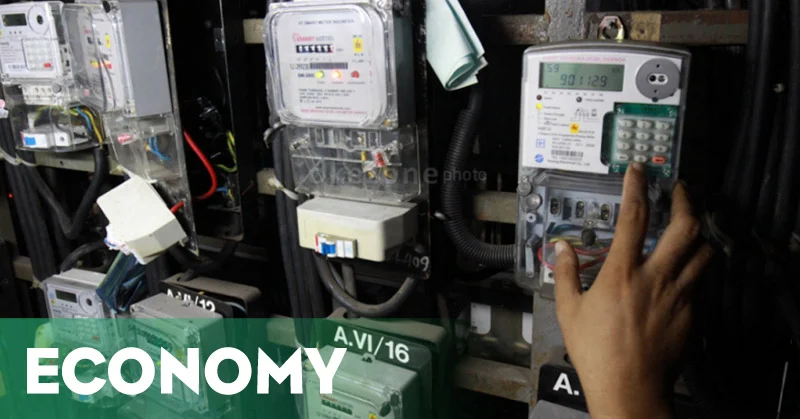
The fiscal burden of maintaining these blanket subsidies frequently constrained the government’s capacity to invest in critical public infrastructure, healthcare, and education. In response, successive administrations pursued subsidy rationalization policies, transitioning from indiscriminate price supports toward targeted assistance. The debate over adjusting tariffs for the 450 VA and 900 VA power categories—traditionally utilized by lower-middle-class households—represents a delicate balancing act between fiscal prudence and social protection.
The LIPI Perspective: A Call for Structural Reallocation
Weighing in on the policy discourse, Maxensius Tri Sambodo, a senior researcher at the Economic Research Center of the Indonesian Institute of Sciences (LIPI), offered a measured endorsement of the subsidy restructuring initiative, provided that the resulting fiscal savings are channeled toward electrification expansion. Speaking in Jakarta, Sambodo characterized the structural shift as a positive step for long-term fiscal health, despite its immediate cost-of-living implications for consumers.
"I think it is a positive move, and the logical consequence is that prices will rise," Sambodo stated. "However, what we expect is that once the subsidies are lifted, the funds should be redirected to assist communities that still lack access to electricity."
Under the current energy landscape, the disparity in energy access remains stark. While urban centers and densely populated regions enjoy reliable electricity networks, millions of citizens in remote, outermost, and underdeveloped (3T: Tertinggal, Terdepan, dan Terluar) regions continue to live without regular power supplies. Sambodo argued that the core principle of national energy policy must be fairness and equity—objectives that cannot be fully realized while a segment of the population receives subsidized power while another remains entirely disconnected from the grid.
The Scale of Energy Poverty and Infrastructure Bottlenecks
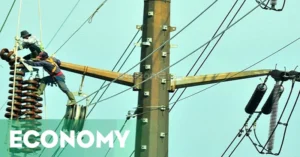
Data highlighted during the policy discussions revealed a persistent infrastructure challenge: approximately 60 million people across the Indonesian archipelago lacked reliable access to electricity. This energy deficit is primarily driven by geographical complexities and high logistical costs associated with extending transmission lines across thousands of islands.
Connecting remote households to the state electricity company, PT Perusahaan Listrik Negara (PLN), involves substantial capital outlays. Beyond generation capacity, the transmission and distribution networks require massive investments. For many rural families, the financial barrier to entry is prohibitive.

"In remote areas, many people still do not have electricity simply because they cannot afford the connection fees," Sambodo explained. "It costs between IDR 2 million and IDR 3 million just to connect to the PLN grid. Furthermore, even if a power plant is present, the lack of transmission infrastructure requires substantial funding to resolve."
These financial and logistical hurdles underscore why simple tariff adjustments must be paired with aggressive capital expenditure on rural electrification programs. Without targeted infrastructure development, the removal of subsidies risks creating a localized economic burden without delivering offsetting developmental gains to the most marginalized communities.
Chronology of Subsidy Rationalization Policy
The discourse surrounding electricity subsidy adjustments did not occur in a vacuum; it evolved through a multi-year process of fiscal reform and data verification:
- Early 2010s: The government identifies ballooning energy subsidies as a primary vulnerability in the national budget, prompting initial steps toward structural reform.
- 2014–2015: Authorities launch data verification initiatives to map actual electricity consumption patterns, revealing widespread misallocation where higher-income households consumed subsidized 450 VA and 900 VA tiers.
- November 2015: Academic and institutional voices, including researchers from LIPI, publicly call for the reallocation of saved subsidy funds toward nationwide electrification and infrastructure development in remote regions.
- Subsequent Years: PLN and the Ministry of Energy and Mineral Resources (ESDM) accelerate targeted subsidy delivery mechanisms, utilizing integrated social data to ensure assistance reaches only verified low-income families while gradually adjusting tariffs for non-eligible households.
Implications and Economic Analysis
The policy debate surrounding energy subsidy removal carries profound implications for macroeconomic stability, social welfare, and industrial development in Indonesia.
From a fiscal perspective, reducing broad subsidies frees up vital fiscal space. In a developing economy like Indonesia, government expenditure must balance current consumption support with long-term capital investments. Redirecting funds from electricity consumption subsidies toward infrastructure development—such as microgrids, solar power plants in remote islands, and transmission expansions—multiplies the long-term economic impact. Access to electricity stimulates local economic activities, enhances educational outcomes, and supports small-scale enterprises in rural areas.
However, the transition period demands careful management. The removal or reduction of subsidies for lower-middle-income brackets risks triggering inflationary pressures and reducing household purchasing power. To mitigate these risks, policymakers must ensure that social safety nets, such as direct cash assistance or targeted conditional transfers, effectively cushion vulnerable groups against sudden tariff adjustments.
Furthermore, achieving total electrification aligns with Indonesia’s commitments to sustainable development and energy transition goals. Expanding grid access alongside renewable energy deployment in remote regions reduces reliance on diesel-powered generators, lowering carbon emissions while fulfilling the constitutional mandate that energy resources be utilized for the greatest prosperity of the people.
Conclusion
As Indonesia navigates the complexities of fiscal reform and energy equity, the dialogue initiated by researchers and policymakers highlights a central tenet of modern governance: structural policy changes must be accompanied by inclusive development strategies. The proposed removal of broad electricity subsidies, while fiscally sound, places a heavy moral and operational obligation on the state to guarantee that every citizen ultimately shares in the nation’s energy prosperity. By channeling fiscal savings into infrastructure that bridges the electrification gap, the government can transform a potentially contentious policy adjustment into a historic milestone for national equity and regional development.