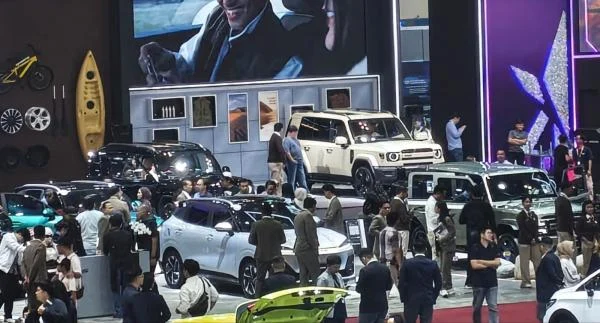
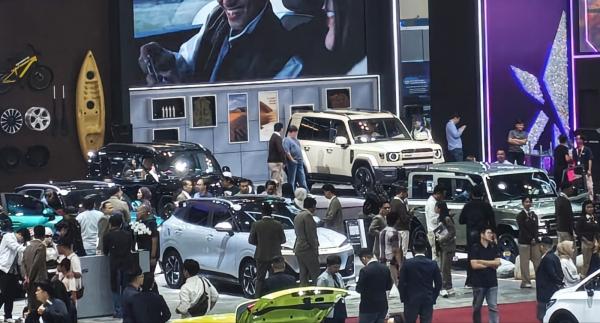
The Gaikindo Auto Week (GAW) 2026 has officially established itself as more than just a traditional automotive exhibition. Running from November 20 to November 29 at the Indonesia Convention Exhibition (ICE) BSD City, Tangerang, the event has successfully shifted the paradigm of trade shows by integrating high-octane industry displays with family-oriented entertainment, interactive technology, and a comprehensive aftermarket marketplace. This year’s edition marks a strategic pivot for the Association of Indonesia Automotive Industries (Gaikindo), aiming to bridge the gap between heavy industry professionals and the daily lifestyle needs of the modern vehicle owner.
A New Era of Automotive Engagement
Historically, automotive trade shows in Indonesia were characterized by static vehicle displays and sales-heavy presentations. However, GAW 2026 has introduced a dynamic ecosystem that caters to a wider demographic. Beyond the sleek lines of the latest electric vehicle (EV) models and internal combustion engine (ICE) flagships, the exhibition floor is buzzing with activity.
For younger attendees and families, the event has curated a "lifestyle zone" featuring miniature electric car tracks, professional-grade racing simulators that offer a hyper-realistic driving experience, and a dedicated collectors’ corner focused on the burgeoning hobby of diecast car hunting. These elements serve as a tactical approach to increase "dwell time"—the amount of time visitors spend at the venue—which has traditionally been a challenge for organizers of large-scale industrial exhibitions.
Strategic Integration of the Aftermarket Industry
A significant component of the GAW 2026 narrative is the robust presence of the aftermarket and supporting industries. With more than 30 prominent brands participating, the exhibition has effectively transformed into a "one-stop-shop" for vehicle ownership. From high-performance engine lubricants and advanced paint protection films to sophisticated infotainment systems and ergonomic driving accessories, the aftermarket segment occupies a critical space in the exhibition layout.
Anton Kumonty, the Executive Chairman and Chief Organizer of the Gaikindo Exhibitions and Conferences, emphasized that this integration is a response to evolving consumer behaviors. "For the average consumer, the purchase of a vehicle is merely the beginning of the ownership journey. It is almost always accompanied by an immediate requirement for customization, maintenance, and technical enhancement to ensure the vehicle meets specific lifestyle needs," Kumonty stated during a press briefing at the venue.
By centralizing these services, Gaikindo is acknowledging that the automotive sector is shifting toward a service-oriented model. The convenience of being able to purchase a new vehicle and simultaneously consult with experts regarding its long-term maintenance or aesthetic upgrades represents a high-value proposition for visitors, effectively streamlining the consumer journey from the showroom floor to the workshop.
Historical Context and Evolution of GAW
The Gaikindo Auto Week was conceived to serve as a specialized platform for the Indonesian automotive market, distinct from the broader Gaikindo Indonesia International Auto Show (GIIAS). While GIIAS often focuses on global product launches and heavy industry innovation, GAW was designed to be more market-centric, focusing on sales stimulation, brand awareness, and consumer education.
The 2026 iteration comes at a pivotal time for the Indonesian automotive industry. With the government’s aggressive push toward electrification, the presence of various EV brands at GAW 2026 is not merely for display; it is a barometer for public sentiment regarding the transition to battery-powered mobility. The inclusion of interactive educational booths where visitors can learn about charging infrastructure, battery longevity, and the economic benefits of EVs reflects the exhibition’s role as a tool for national policy advocacy.
Chronology of the Exhibition
The event, which commenced on November 20, was designed with a phased approach to maximize engagement:

- Opening Phase (Nov 20-22): Focused on industry professionals, media previews, and the announcement of new model launches. This period saw the highest concentration of automotive journalists and analysts.
- Mid-Exhibition Period (Nov 23-25): The event shifted focus toward consumer engagement, featuring technical seminars on vehicle safety, DIY maintenance workshops, and the start of the "Diecast Grand Prix," which attracted collectors from across the region.
- Final Stretch (Nov 26-29): The concluding days are centered on final-day promotions, end-of-year sales packages, and family-oriented weekend activities, ensuring a high turnout through the closing ceremony.
Market Implications and Economic Impact
The success of GAW 2026 has significant implications for the domestic automotive market. With the national economic focus turning toward sustained growth in the final quarter of the year, the exhibition serves as a vital economic stimulus. Sales performance at the event is often considered a reliable indicator of national automotive retail trends for the upcoming year.
Industry analysts note that the integration of supporting industries is a masterstroke in terms of retail psychology. By creating an environment where a consumer feels they are "building" their car rather than just purchasing a machine, the propensity for high-value transactions increases. Furthermore, the presence of accessory brands provides a secondary revenue stream for the event, ensuring that the exhibition remains profitable even if vehicle sales fluctuate due to macroeconomic factors such as interest rate adjustments or inflationary pressure.
The Role of Technology and Digitization
One cannot overlook the role of digital integration at GAW 2026. The organizers have implemented advanced ticketing and information systems, allowing visitors to navigate the sprawling ICE BSD venue with ease. The use of QR-code-based product information and virtual reality (VR) booths has allowed brands to showcase vehicle safety features and autonomous driving technology in a way that traditional placards cannot.
The focus on digital accessibility is also reflected in how information is disseminated. By leveraging social media and digital platforms like the iNews WhatsApp Channel, the organizers ensure that the reach of the event extends well beyond the physical walls of the convention center. This hybrid approach—combining the tactile experience of a physical car show with the immediacy of digital information—is setting a new standard for future automotive exhibitions in Southeast Asia.
Future Outlook and Sustainability
As the automotive landscape continues to move toward sustainability, the infrastructure provided at GAW 2026 is illustrative of the industry’s direction. The emphasis on EVs and the inclusion of aftermarket brands that specialize in eco-friendly products suggest that the industry is preparing for a shift in consumer demand.

Looking ahead, the success of this year’s GAW suggests that future iterations will likely continue to expand the "lifestyle" aspect of the show. The goal is to evolve the event into a community-centric gathering rather than a traditional trade fair. By fostering an environment where enthusiasts, families, and casual buyers can interact with the technology and the culture of driving, Gaikindo is effectively future-proofing the exhibition against the rise of online car shopping.
Concluding Remarks
The Gaikindo Auto Week 2026 has successfully navigated the complexities of a changing market by diversifying its offerings. It has moved beyond the singular goal of selling vehicles to become an immersive experience that touches on every aspect of the automotive lifecycle. Whether it is through the technical precision of the simulator bays, the nostalgic charm of the diecast displays, or the practical utility of the aftermarket aisles, the event has managed to create a cohesive narrative that speaks to the heart of the Indonesian automotive community.
As the exhibition draws to a close on November 29, the data collected regarding consumer preferences and sales volumes will provide invaluable insights for manufacturers and policymakers alike. The event stands as a testament to the resilience and adaptability of the Indonesian automotive industry, proving that even in a digital age, there remains a profound, tangible desire for physical, community-focused engagement with the machines that drive our lives. For now, the echoes of engines, both real and simulated, at ICE BSD continue to signal a vibrant and evolving automotive future for the nation.