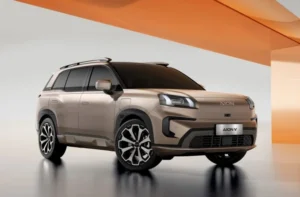
The automotive industry has reached a significant milestone in cabin design as the Lepas E6 EV, a flagship electric vehicle, continues to garner international acclaim for its interior architecture. By securing the prestigious Best Interior Design Award at the 2026 Torino Automotive Design Awards (TADA) in Italy, the vehicle has cemented its position as a leader in the intersection of aesthetic sophistication and functional ergonomics. This recognition serves as a testament to a shift in consumer demand, where the interior environment of a vehicle is now prioritized as heavily as its powertrain efficiency and battery range.
The Evolution of Cabin Design: A Design Philosophy
The development of the Lepas E6 EV was predicated on the philosophy of "Drive Your Elegance," a mantra that seeks to transform the traditional commuter experience into a sanctuary of comfort. Modern automotive interior design has moved beyond simple utility, evolving into a holistic sensory experience. In an era where autonomous driving features and connectivity are becoming standard, the cabin has become the primary point of interaction between the driver and the machine.
According to Temmy Wiradjaja, Vice Country Director of LEPAS Indonesia, the design process for the E6 EV was meticulous, focusing on how individual components—from the texture of the materials to the lighting ambiance—influence the emotional state of the occupants. "Design is not merely about aesthetics; it is about creating a personalized environment that adapts to the user’s needs," Wiradjaja noted during a press briefing on November 26, 2026. The goal was to unify high-end technology with tactile comfort, ensuring that the vehicle feels like an extension of the owner’s lifestyle.
Engineering Excellence: The Passion Varian Specification
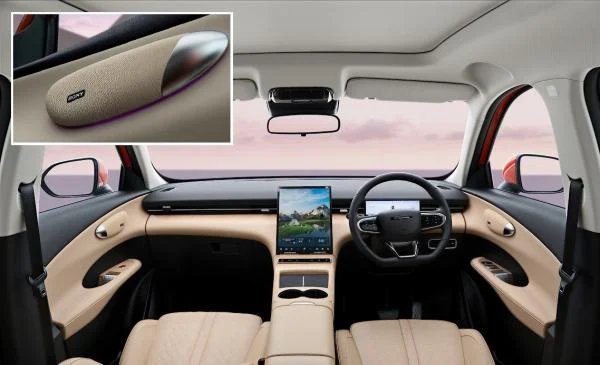
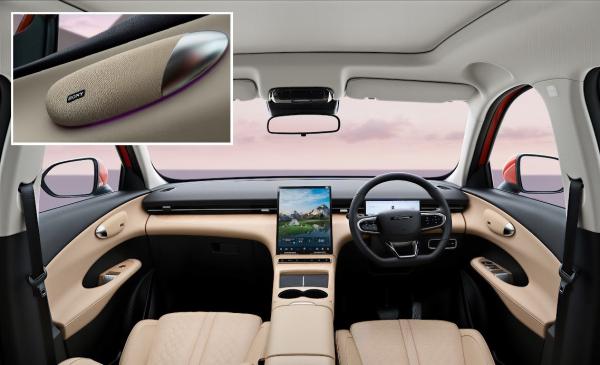
The E6 EV’s flagship trim, the Passion variant, serves as the definitive showcase of this design language. One of the most striking features of the cabin is the sophisticated Black/Brown two-tone color palette, which creates a visual depth rarely seen in standard electric vehicles. This contrast is designed to offer a timeless, premium feel that avoids the monotony of single-color interiors.
Beyond the color scheme, the structural integrity of the seating is a marvel of modern automotive ergonomics. The seats in the Passion variant are engineered with a proprietary nine-layer material composition. This multi-layered approach serves several critical functions:
- Pressure Distribution: The layers are designed to contour to the human body, reducing fatigue during long-distance travel.
- Thermal Regulation: Specialized breathable fabrics and synthetic leathers allow for optimal airflow, mitigating the common issue of heat buildup during extended periods of sitting.
- Vibration Dampening: The construction absorbs micro-vibrations from the road, contributing to the "hushed" cabin atmosphere essential for high-end luxury vehicles.
Sensory Integration and the 256-Color Ambient Lighting System
Perhaps the most interactive element of the E6 EV’s interior is its dynamic ambient lighting system. Featuring 256 selectable colors, the lighting is not static; it is integrated into the vehicle’s infotainment ecosystem. The system possesses the capability to synchronize with the frequency and rhythm of the audio being played through the vehicle’s sound system.
This sensory integration is supported by a premium Sony audio configuration, which utilizes eight strategically positioned speakers embedded within the door panels and the dashboard. By dispersing sound through these integrated channels, the E6 EV creates a surround-sound effect that elevates the cabin from a mere transport pod to a private concert hall. The ability for the ambient lighting to pulse or shift hues in tandem with music adds a layer of immersion that is increasingly sought after by the younger, tech-savvy demographic of EV buyers.
The Significance of the Torino Automotive Design Awards
The Torino Automotive Design Awards (TADA) are recognized globally as one of the most rigorous platforms for evaluating vehicle aesthetics. Winning the Best Interior Design Award in 2026 puts Lepas in the company of legacy luxury manufacturers who have historically dominated the European automotive landscape.
The jury for the TADA assesses vehicles based on three core pillars:

- Aesthetics: The visual harmony of shapes, lines, and materials.
- Comfort: The human-machine interface (HMI) and the ergonomics of physical controls.
- Functionality: How effectively the interior space utilizes technology to simplify the user’s life.
By excelling in these categories, the Lepas E6 EV demonstrates that emerging EV brands are capable of challenging the established norms of automotive craftsmanship. The award serves as a signal to the market that Lepas is committed to competing at the highest level of international vehicle production.
Broader Implications for the Electric Vehicle Market
The focus on interior luxury is a strategic pivot for the broader electric vehicle market. Historically, the early generation of EVs prioritized battery range and performance metrics, often at the expense of interior material quality and cabin ambiance. However, as the EV market matures, consumer expectations have risen. Drivers now expect that the transition from internal combustion engines (ICE) to electric power should be accompanied by a "premium" or "futuristic" experience.
The success of the E6 EV suggests that manufacturers are responding to this trend by investing heavily in what is known as "User Experience (UX) Design." The implementation of customizable ambient lighting, premium audio partnerships, and ergonomic seating is not just about luxury; it is about building brand loyalty. When a vehicle provides a superior sensory experience, it creates a psychological bond with the driver that technical specifications alone cannot achieve.
Technological Synergy: Connectivity and Control
While the interior aesthetics are a primary draw, they are supported by a backbone of advanced technology. The cabin of the E6 EV is designed to be highly responsive to user input. The integration of the audio and lighting systems requires a sophisticated software architecture capable of processing real-time data from the vehicle’s infotainment unit.
Industry analysts observe that this level of integration is becoming a benchmark for the next generation of EVs. As software-defined vehicles (SDVs) become the standard, the ability to update the "mood" or "profile" of a car’s interior through over-the-air (OTA) updates will likely become a key differentiator. The E6 EV is positioned as a platform that can grow and evolve alongside the user, ensuring that the interior remains relevant as new software features are released.

A Timeline of Innovation
The development journey of the E6 EV can be traced back to the initial prototype testing phases in late 2024, leading up to its formal introduction to the global market in early 2026.
- Early 2025: Prototype refinement, where the focus shifted from pure chassis development to interior ergonomics and acoustic dampening.
- Mid-2025: Collaboration with audio specialists to integrate the eight-speaker Sony system into the door architecture.
- Early 2026: Launch of the production model, featuring the "Drive Your Elegance" branding.
- November 2026: Receipt of the TADA award, marking the international validation of the design strategy.
This chronology highlights a rapid development cycle that is characteristic of the modern, agile EV manufacturing sector. By maintaining a focus on specific interior "touchpoints," Lepas has managed to capture the attention of industry experts and consumers alike.
Future Outlook and Industry Impact
As the automotive sector moves toward 2030, the standards set by vehicles like the Lepas E6 EV will likely become the baseline. The industry is currently witnessing a "comfort war," where brands compete to offer the most serene and technologically immersive environments.
For Lepas, the challenge moving forward will be to scale this level of design sophistication across their entire model lineup. If the company can successfully translate the premium features of the E6 EV—such as the nine-layer seat construction and the synchronized ambient lighting—into more accessible vehicle tiers, they could potentially disrupt the mid-market segment as well.
In conclusion, the recognition of the Lepas E6 EV by the Torino Automotive Design Awards is more than just a marketing victory; it is a clear indicator of where the future of automotive design lies. By successfully blending the technical demands of an electric powertrain with the human-centric needs for comfort and aesthetic pleasure, the E6 EV provides a roadmap for how future vehicles will balance high-tech capability with high-touch luxury. As consumers continue to demand more from their vehicles than simple mobility, manufacturers that prioritize the interior experience—as Lepas has done—are poised to lead the market in the years to come. The E6 EV is not just a car; it is a manifestation of how technology can serve to enhance, rather than complicate, the human experience on the road.