The consumer electronics and display industry has officially entered a new technological frontier as Samsung Electronics raises the stakes in the high-refresh-rate
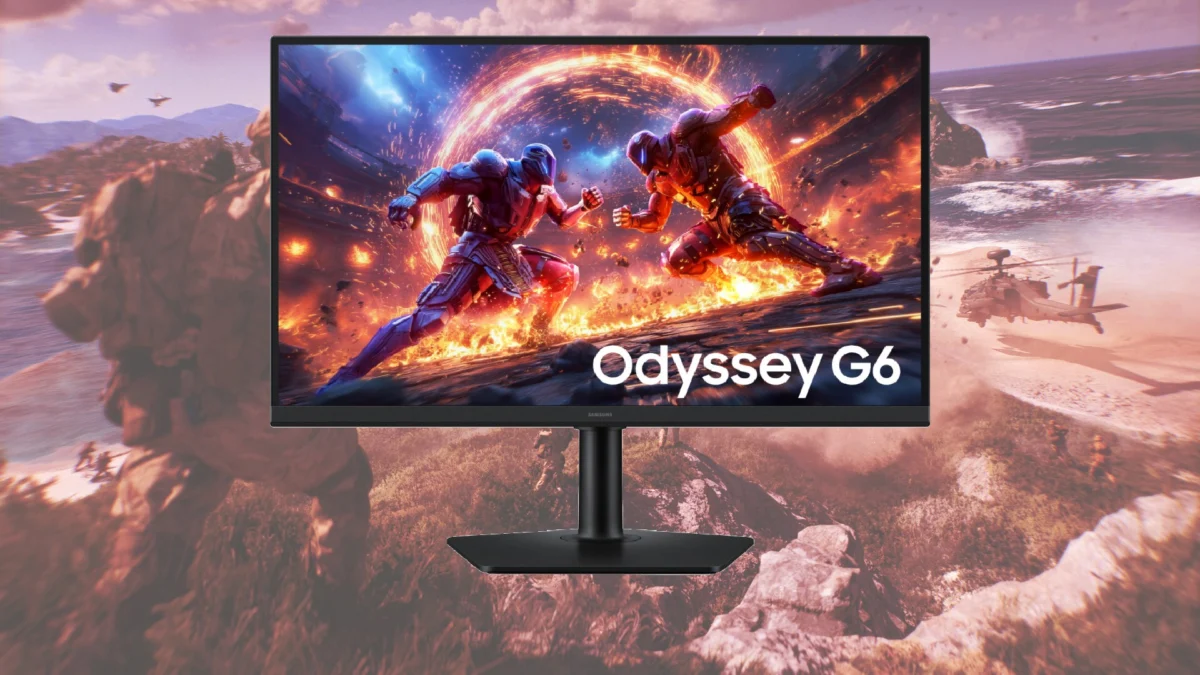
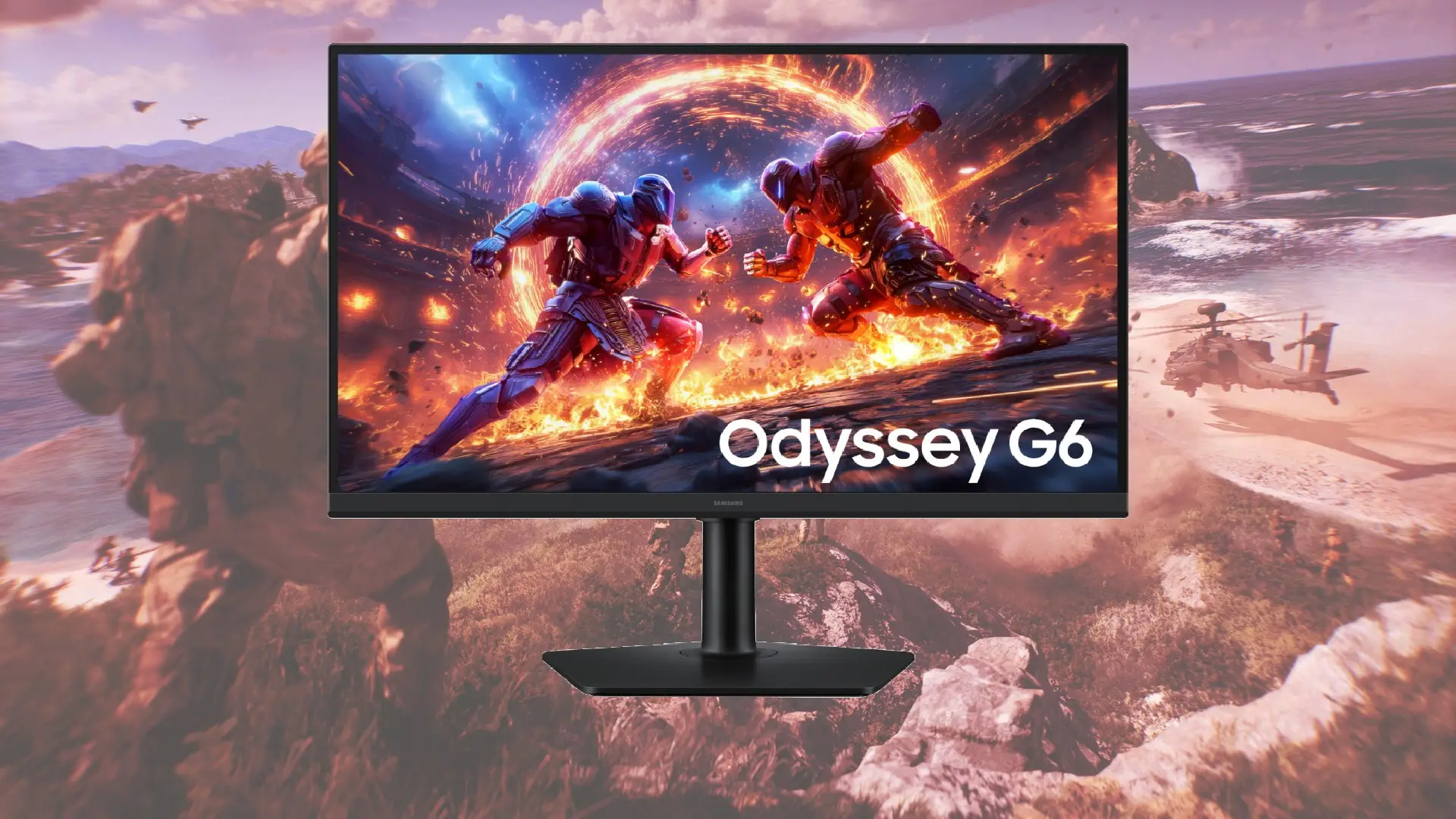
monitor market. The South Korean tech giant has officially introduced the Samsung Odyssey G6 (model G60H), a 27-inch gaming monitor engineered to achieve an unprecedented refresh rate of up to 1,100 Hz. This milestone establishes a new benchmark for competitive gaming hardware, surpassing previous limitations and pushing the boundaries of visual fluidity and input responsiveness.
Designed explicitly for professional esports athletes, hardcore competitive gamers, and enthusiasts demanding the absolute lowest latency possible, the Odyssey G6 (G60H) redefines what is physically possible in desktop monitor performance. By crossing the psychological and technological threshold of 1,000 Hz, Samsung has once again positioned itself at the vanguard of display innovation, sparking industry-wide discussions regarding the future evolution of visual technology.
Dual Mode Technology and Resolution Flexibility
At the core of the Samsung Odyssey G6’s engineering marvel is its advanced Dual Mode capability. Recognizing that users require different visual profiles depending on their specific tasks—ranging from high-end cinematic gaming to ultra-fast competitive shooters—Samsung designed the monitor to dynamically adjust its resolution and refresh rate parameters.
Users can seamlessly toggle between two distinct operational profiles:
- High-Resolution Mode: Delivers crisp QHD resolution (2,560 x 1,440 pixels) paired with a high-tier refresh rate of up to 600 Hz, ideal for visually immersive single-player titles, media consumption, and general productivity.
- Ultra-High-Speed Mode: Drops the resolution to HD (1,280 x 720 pixels) while unlocking a staggering 1,100 Hz refresh rate, tailored specifically for fast-paced competitive esports titles where every millisecond and frame count can dictate the outcome of a match.
This dual-nature approach addresses a long-standing compromise in high-refresh-rate display design, allowing consumers to balance visual fidelity and motion clarity based on the application at hand.
Panel Specifications and Motion Blur Reduction
To support such extreme operational speeds without suffering from severe visual degradation, the Odyssey G6 utilizes a cutting-edge Fast IPS panel. This panel architecture is tuned to deliver a lightning-fast response time of 1 millisecond Gray-to-Gray (GtG), drastically minimizing ghosting and trailing artifacts during rapid camera pans and high-velocity movements in-game.
In tandem with the Fast IPS panel, Samsung is debuting its proprietary Odyssey Clear Motion technology. This advanced motion-blur reduction feature is engineered to preserve image sharpness and clarity even when objects on screen are moving at extreme velocities. According to Samsung’s product roadmap, the rollout of Odyssey Clear Motion will not remain exclusive to the G60H; the technology is planned for integration across upcoming models within Samsung’s broader gaming monitor portfolio.
Adaptive Sync Technologies and Visual Enhancements
While raw speed is the primary selling point of the Odyssey G6, Samsung has ensured that modern graphical standards are fully supported to maintain visual integrity. The monitor features HDR10+ Gaming certification, allowing supported titles to display richer dynamic ranges, deeper contrast levels, and more vivid color grading.
For screen-tearing elimination and variable refresh rate (VRR) synchronization, the display is officially NVIDIA G-SYNC Compatible and includes AMD FreeSync Premium support. However, hardware limitations dictate that AMD FreeSync Premium cannot be utilized when the monitor is operating at its maximum 1,100 Hz configuration in HD mode, a technical caveat that users must navigate depending on their graphics card ecosystem.
Additionally, the monitor incorporates Samsung’s signature Black Equalizer. This utility dynamically brightens dark areas within game environments—such as dimly lit corridors or shadowed corners—without overexposing already bright sections, giving competitive players a distinct visibility advantage over their opponents.
Connectivity, Ergonomics, and Hardware Integration
Modern high-bandwidth displays require robust connectivity options to transmit massive amounts of visual data without bottlenecks. The Odyssey G6 (G60H) addresses this by equipping users with:
- One DisplayPort 2.1 port, providing the massive data throughput necessary to sustain extreme refresh rates and resolutions.
- Two HDMI 2.1 ports for compatibility with modern consoles and secondary PC hardware.
Furthermore, the monitor features Samsung’s Auto Source Switch+ technology, which intelligently detects newly powered-on devices and automatically switches the active video input without manual intervention from the user.

Ergonomics have also been prioritized to ensure long-term comfort during extended gaming sessions. The fully adjustable stand supports height adjustment, tilt, swivel, and pivot (portrait mode) configurations, allowing users to optimize their viewing angles and desk setups seamlessly.
Pricing, Global Availability, and Market Release Schedule
Samsung has announced that the Odyssey G6 (G60H) carries a manufacturer’s suggested retail price (MSRP) of $899.99 USD, translating to approximately Rp15 million based on current conversion rates. The monitor is scheduled to roll out to authorized retail channels across the United States beginning in December 2026.
As of press time, Samsung has not yet disclosed official pricing, localized release timelines, or distribution plans for other international markets, including Indonesia. Regional tech enthusiasts and consumers outside the United States will need to await further announcements from local Samsung subsidiaries.
Industry Implications and Technical Analysis
The commercial introduction of a 1,100 Hz monitor marks a significant inflection point in display engineering. For years, critics and display scientists have debated whether the human eye can consciously perceive the difference between refresh rates exceeding 240 Hz or 360 Hz. However, empirical studies in perceptual latency and input response times consistently demonstrate that ultra-high refresh rates significantly reduce end-to-end system latency, thereby improving mouse tracking fluidity and reducing motion sickness for sensitive users.
Despite these technical advantages, the adoption of an HD (1,280 x 720) resolution threshold to achieve 1,100 Hz introduces notable trade-offs. Dropping resolution to 720p in an era where 1440p and 4K have become standard requirements for visual clarity means users must deliberately sacrifice image sharpness to attain the maximum speed advantage. This design choice underscores the specialized nature of the Odyssey G6 (G60H)—it is a precision tool built explicitly for elite competitive play rather than an all-purpose consumer display.
As competitors in the monitor industry evaluate Samsung’s latest engineering feat, the threshold for display performance has officially been elevated. Whether 1,100 Hz will become a new standard for mainstream esports hardware or remain an ultra-niche luxury for top-tier competitors will depend heavily on market adoption rates and future advancements in GPU display compression and panel manufacturing technologies.