Xiaomi officially strengthened its presence in the Indonesian wearable market on Tuesday, November 24, 2026, by unveiling a trio of new devices designed to capture diverse consumer segments. The launch, held in Jakarta, introduced the Xiaomi Smart Band 10, Xiaomi Buds 6, and the premium Xiaomi Watch S5 46mm. With a pricing strategy ranging from IDR 599,000 to IDR 2,199,000, the company aims to solidify its ecosystem integration, catering to users ranging from fitness enthusiasts to audiophiles and professionals seeking seamless connectivity.
The introduction of these products signifies a calculated effort by the Chinese technology giant to maintain its competitive edge in the Southeast Asian market, where demand for affordable yet feature-rich smart accessories has seen a consistent upward trajectory. As digital health monitoring and wireless audio become integral components of modern lifestyle management, Xiaomi’s latest offerings represent a strategic evolution of its hardware portfolio.
The Evolution of Xiaomi’s Wearable Ecosystem
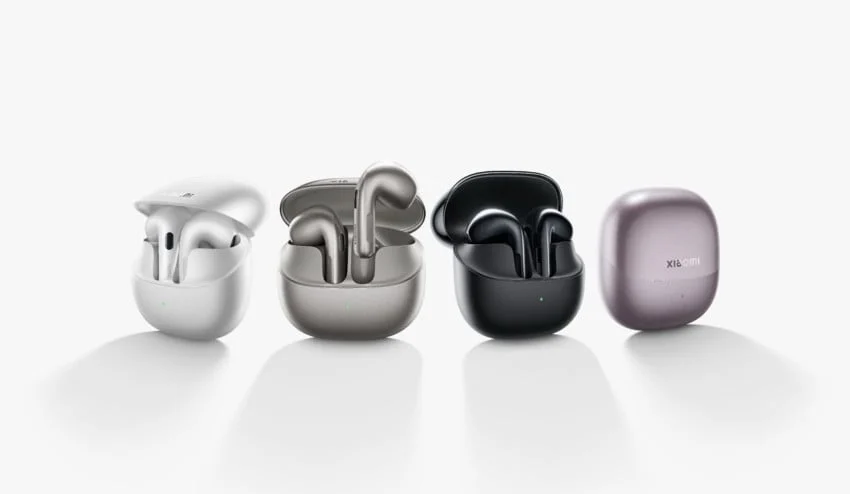
The launch event highlighted the distinct positioning of each product, reflecting a broader shift in consumer expectations. The Xiaomi Smart Band 10 continues the legacy of the brand’s best-selling entry-level fitness tracker line, focusing on core health metrics and battery longevity. Meanwhile, the Xiaomi Buds 6 represents the company’s commitment to high-fidelity audio, integrating advanced noise-cancellation technology that was previously reserved for more expensive flagship models.
The flagship of the collection, the Xiaomi Watch S5 46mm, targets the premium segment. Featuring a larger display, enhanced biometric sensors, and extended build quality, it is designed to compete directly with high-end smartwatches that emphasize both utility and aesthetic appeal. By diversifying its catalog, Xiaomi is not only addressing different price sensitivity levels but is also creating a cohesive "ecosystem lock-in," where the devices work in tandem with the broader Xiaomi smartphone range to provide a unified user experience.
Market Context and Strategic Positioning
The wearable technology sector in Indonesia has experienced significant growth over the past five years. Market research indicates that Indonesian consumers are increasingly prioritizing health-centric features—such as heart rate monitoring, SpO2 tracking, and sleep analysis—when purchasing mobile accessories. Xiaomi’s decision to launch these three devices simultaneously suggests a move to saturate the market and leverage the "connected life" trend.
Historically, Xiaomi entered the Indonesian market with a focus on value-for-money smartphones. However, the company has spent the last 24 months pivoting toward an IoT-centric strategy. This transformation is reflected in their supply chain management and localized marketing efforts. The pricing structure, starting at IDR 599,000, places the entry-level device within reach of the burgeoning youth demographic, while the IDR 2,199,000 price point for the Watch S5 positions it as a viable alternative for professionals looking for a status-conscious device.
Official Statements and Brand Philosophy
During the Jakarta launch, Andi Renreng, Marketing Director of Xiaomi Indonesia, emphasized that the rollout is more than just a hardware refresh; it is an extension of the company’s broader vision for a "Live Right, Live Smart" lifestyle. According to Renreng, the integration of these devices into daily routines is intended to minimize friction in how users interact with their digital environments.
"For Xiaomi, the core of a modern lifestyle lies in how technological innovation allows us to navigate every activity more seamlessly," Renreng stated. He added that the development process for these products involved extensive localized testing to ensure that the health metrics and connectivity features meet the specific needs and environmental conditions of the Indonesian market. By focusing on "seamless" integration, Xiaomi is positioning itself as a facilitator of productivity rather than just a provider of consumer electronics.
Technical Implications and Consumer Impact
The introduction of the Buds 6 and Watch S5 46mm brings several technical upgrades that reflect global trends in the wearables industry. For instance, the Watch S5 46mm includes refined GPS tracking and an improved display architecture, which are critical for users engaging in outdoor activities. The Buds 6, conversely, features updated Bluetooth protocols that reduce latency—a feature highly sought after by mobile gamers and video content creators, two demographics that have seen massive growth in Indonesia.
From an economic perspective, the broad price range is a strategic necessity. The wearable market in Indonesia is characterized by high price elasticity. By offering a entry-level tier at IDR 599,000, Xiaomi ensures that it retains its market share among budget-conscious consumers, while the higher-tier products allow the company to maintain healthy profit margins and brand prestige.
The Competitive Landscape
Xiaomi operates in a crowded marketplace in Indonesia, competing against established players such as Samsung, Huawei, and local brands that focus on ultra-budget segments. However, Xiaomi’s advantage lies in its massive user base of smartphone owners. By incentivizing these users to adopt their wearables, Xiaomi creates a feedback loop where the phone and the wearable become interdependent.
Analysts observe that the success of these products will depend heavily on the software support provided post-launch. Xiaomi’s Mi Fitness app, which acts as the hub for these devices, has undergone several iterations to improve data synchronization and user interface design. Continued support for this application, particularly in terms of local language optimization and feature updates, will be the decisive factor in how these products perform throughout 2027.
Looking Ahead: Trends and Future Prospects
The launch of these devices provides a snapshot of the future of personal technology in Indonesia. Industry experts predict that the next phase of development in this sector will likely involve deeper integration with Artificial Intelligence (AI) for health coaching. While the current generation of devices focuses on data collection and basic monitoring, the hardware is already capable of supporting more complex analytical software that could eventually provide personalized health recommendations.
As the Indonesian digital economy continues to mature, the adoption rate of wearables is expected to climb. With a younger population that is increasingly tech-literate, the demand for devices that are both fashionable and functional is at an all-time high. Xiaomi’s aggressive expansion with the Watch S5 46mm, Buds 6, and Smart Band 10 indicates that the company is prepared to invest heavily in capturing this demographic.
Conclusion
The unveiling of the Xiaomi Smart Band 10, Xiaomi Buds 6, and Xiaomi Watch S5 46mm on November 24, 2026, serves as a testament to the brand’s ongoing commitment to the Indonesian market. By offering a comprehensive range of devices that span various price points and functional needs, Xiaomi is effectively positioning itself as a dominant player in the local IoT ecosystem.
Whether these devices will succeed in maintaining long-term user retention remains to be seen, but the initial reception in Jakarta reflects a positive outlook. For the average Indonesian consumer, the choice of a wearable is becoming increasingly tied to the reliability of the brand and the seamlessness of the experience. Xiaomi’s latest portfolio, with its focus on "Live Right, Live Smart," aims to answer that demand by blending utility, aesthetics, and accessible pricing into a cohesive offering. As the market evolves, the ability of these devices to integrate into the daily lives of users will define the next chapter of Xiaomi’s growth in the region.