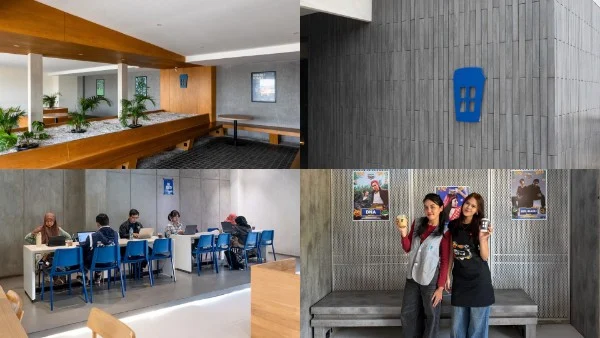
The vibrant culinary and cafe landscape of Yogyakarta has long been defined by creativity, cultural fusion, and an enduring love for coffee. Amidst the hundreds of establishments competing for the attention of students, locals, and tourists, few success stories match the organic and inspiring rise of Cosan Coffee Sanctuary. What began humbly during the height of the global pandemic in 2020 as a modest coffee nook born out of a boarding house room has now blossomed into a major regional player. Today, Cosan Coffee boasts nine distinct branches strategically scattered across Yogyakarta, capturing the hearts—and palates—of coffee enthusiasts through a unique blend of homestyle comfort, architectural diversity, and community-centric hospitality.
The journey of Cosan Coffee is a testament to resilience, adaptability, and an astute understanding of consumer psychology within one of Indonesia’s most competitive student and cultural hubs. While many businesses struggled to survive or faced closure during the uncertainties of 2020, Joevano Devon Harsono, the visionary founder behind the brand, saw an opportunity to redefine the local coffee experience. By tapping into the emotional comfort associated with personal spaces, Devon laid the foundation for a brand that has grown from a single makeshift counter into a beloved local institution.
The Genesis and Etymology of a Sanctuary
To truly understand the appeal of Cosan Coffee, one must examine the philosophy embedded in its name. The term "Cosan" is not a random marketing invention; it carries a deeply localized and sentimental meaning. As Devon explains, the name originates from the Indonesian word "kos-kosan," which translates to a boarding house—a ubiquitous second home for the hundreds of thousands of university students who migrate to Yogyakarta to pursue their education.
"The name ‘Cosan’ comes from the word ‘kos-kosan’. From there, we expanded the meaning: ‘kos-kosan’ as a home and sanctuary as a protection, which gave birth to the name ‘Coffee Sanctuary,’ which can be abbreviated as ‘Cosan,’" Devon elaborates, detailing the conceptual evolution of the brand.
This foundational ethos of creating a "home away from home" dictates every aspect of the customer journey at Cosan Coffee. In an era where many modern coffee shops lean toward stark, industrial, minimalist aesthetics that can sometimes feel sterile or unwelcoming, Cosan prioritized psychological comfort. The objective was to build a physical refuge—a sanctuary—where patrons could escape the pressures of academic life, professional deadlines, or the bustling traffic of Yogyakarta, finding solace in a cup of locally sourced coffee.
Chronology of Expansion: From a Single Room to Nine Distinct Hubs
The trajectory of Cosan Coffee from a boarding house venture to a multi-branch enterprise did not happen overnight. It was marked by calculated, steady expansion driven by overwhelming positive reception from the Yogyakarta coffee community.
Phase 1: The Inception (2020)
Operating under the constraints of the pandemic, the original concept relied heavily on intimacy, personal touch, and word-of-mouth marketing among students. The initial space served as a testing ground for product quality, operational efficiency, and the viability of the homestyle concept. As restrictions eased and social gatherings resumed, the demand for spaces that offered both safety and comfort skyrocketed.
Phase 2: Localized Diversification (2021–2023)
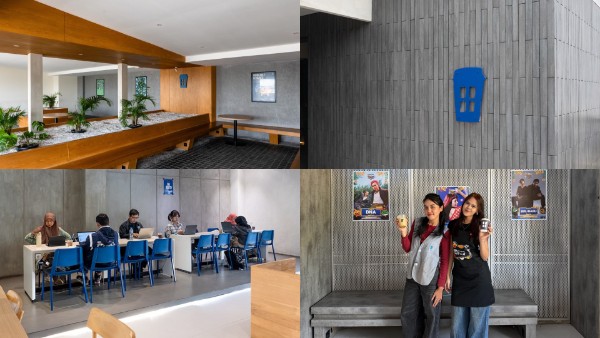
Recognizing that a one-size-fits-all approach would fail in a diverse market like Yogyakarta, management embarked on an expansion strategy that defied cookie-cutter standardization. Instead of replicating the exact same interior across multiple locations, Cosan chose to tailor each branch to its immediate environment. This resulted in a portfolio of nine distinct locations: Demangan, Jalan Kaliurang (Jakal), Kotabaru, Mangkubumi (located within Hotel Harper), Malioboro, Patangpuluhan, Pictniq (Gunung Kidul), Sagan, and Seturan.
Each of these neighborhoods carries a distinct demographic profile. For instance, the Seturan and Jalan Kaliurang branches primarily cater to the massive student population of universities such as Universitas Gadjah Mada (UGM) and Universitas Negeri Yogyakarta (UNY), offering spacious work-friendly environments equipped with reliable Wi-Fi and ample seating. Conversely, branches located in Kotabaru and Mangkubumi lean into historical architecture and upscale hospitality partnerships, attracting professionals, families, and tourists looking for a refined aesthetic. Meanwhile, the Pictniq branch in Gunung Kidul extends the brand’s reach into regional tourism destinations, capitalizing on the weekend getaway crowd.
Adapting to Modern Consumer Habits: The Rise of Delivery Services
While the physical ambiance of each branch remains a core pillar of Cosan Coffee’s business model, contemporary food and beverage (F&B) success requires seamless omnichannel capabilities. Recognizing the shift in consumer behavior accelerated by the pandemic—where convenience became paramount—Cosan successfully integrated digital delivery platforms alongside its dine-in operations.

This dual-pronged operational model ensures that the brand remains resilient against external disruptions, such as extreme weather events or economic shifts that might temporarily suppress foot traffic. Customers who prefer to enjoy their favorite brews in the comfort of their actual homes can access the full menu through major food delivery aggregators. This operational flexibility has broadened the brand’s consumer base, transforming Cosan from a destination venue into an everyday lifestyle staple for urbanites across the Special Region of Yogyakarta.
The Yogyakarta Coffee Scene: Market Context and Competitive Landscape
To contextualize Cosan Coffee’s achievement, one must examine the hyper-competitive nature of Yogyakarta’s F&B sector. Often dubbed the "City of Students," Yogyakarta boasts one of the highest densities of cafes per capita in Indonesia. The market is flooded with international franchises, trendy aesthetic coffee shops, traditional "warung kopi," and specialty roasters.
In such a saturated ecosystem, businesses face severe attrition rates if they fail to differentiate themselves. Many establishments rely purely on fleeting social media trends, creating highly photogenic interiors that attract short-term attention but fail to foster long-term customer loyalty. Cosan Coffee bypassed this trap by anchoring its brand identity in a functional emotional benefit: comfort and belonging.
By designing spaces that function simultaneously as study halls, remote workspaces, informal meeting rooms, and social lounges, Cosan secured a loyal, recurring customer base. Students who first discovered the brand in their freshman year continue to frequent the cafes as graduating seniors and young professionals, creating a sustainable generational pipeline of patronage.
Economic and Community Implications of Local F&B Growth
The expansion of homegrown regional coffee chains like Cosan Coffee carries significant positive externalities for the local economy of Yogyakarta.

First, multi-branch expansion stimulates local employment. Across its nine locations, Cosan employs dozens of local baristas, administrative staff, logistics personnel, and maintenance workers, contributing directly to regional job creation and skills development within the hospitality sector. Staff training programs focus on customer service excellence, coffee extraction techniques, and inventory management, elevating professional standards within the local workforce.
Second, the brand’s supply chain philosophy heavily favors local economic integration. By sourcing dairy, produce, and specialty coffee beans—particularly from Indonesian coffee-growing regions such as Java and beyond—Cosan supports upstream agricultural producers and local distributors. This farm-to-cup traceability aligns with shifting consumer preferences toward ethically sourced and locally produced goods.
Strategic Vision and Future Outlook
As Cosan Coffee solidifies its presence across Yogyakarta’s key districts, industry analysts observe the brand as a prime example of successful grassroots scaling in Indonesia’s vibrant culinary sector. The deliberate choice to maintain architectural and atmospheric diversity across its branches—rather than adopting a rigid franchise template—allows the brand to remain agile and deeply attuned to the specific cultural fabric of each neighborhood it inhabits.
Looking forward, the fundamental challenge for homegrown chains of Cosan’s caliber lies in maintaining quality control, brand consistency, and employee morale as operations scale. However, given the careful, step-by-step evolution from a single boarding house room to a nine-branch regional network over the past several years, the management has demonstrated a measured approach to growth that prioritizes sustainable foundations over reckless expansion.
For the people of Yogyakarta, Cosan Coffee has ceased to be merely a place to buy caffeine; it has become an integrated part of the city’s contemporary social fabric. Whether it is a student burning the midnight oil over a textbook in Seturan, a group of creatives brainstorming a startup in Sagan, or a tourist pausing for respite near the historic corridors of Malioboro, the promise of the "Coffee Sanctuary" endures—delivering warmth, community, and a true sense of home in every cup.