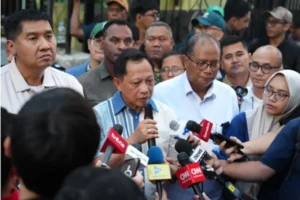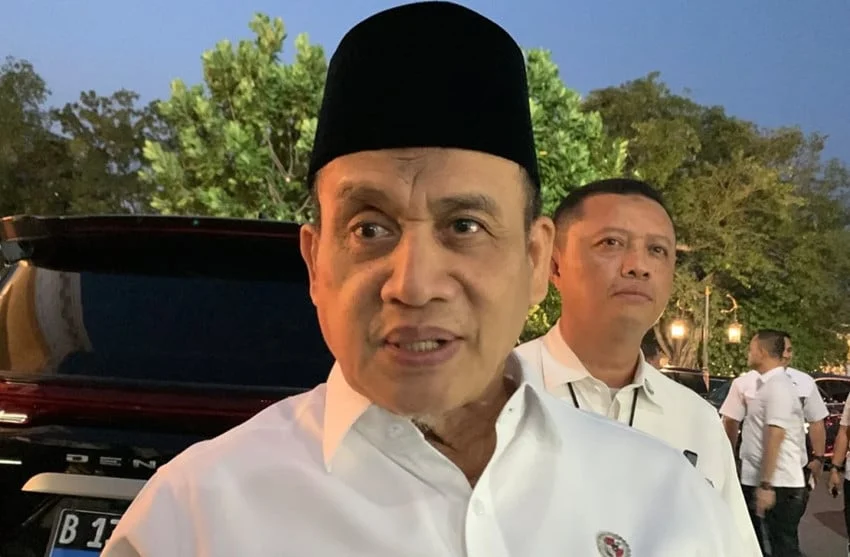
The Indonesian Ministry of Religious Affairs (Kemenag) has unveiled plans to integrate educational materials aimed at preventing the spread of Lesbian, Gay, Bisexual, Transgender, and Queer (LGBTQ+) culture into the national education curriculum, targeting students as young as Grade 4 primary school. This significant policy shift was announced by Deputy Minister of Religious Affairs (Wamenag) Romo Muhammad Syafi’i on Monday, July 20, 2026, at the Presidential Palace Complex in Jakarta. The initiative is presented as a direct response to Presidential Regulation (Perpres) Number 111 Year 2025 concerning the General Policy on National Defense for 2025-2029, which explicitly categorizes the dissemination of LGBTQ+ culture as a non-military threat to national defense.
Romo Syafi’i emphasized that while individual LGBTQ+ identities are considered personal matters, the spread or cultivation of LGBTQ+ culture is deemed a threat to the nation’s integrity and social fabric. This distinction underpins the government’s approach, focusing on prevention through education rather than direct targeting of individuals, though critics argue such policies inevitably lead to increased discrimination. The curriculum development is currently underway within Kemenag, signaling a proactive stance by the government to shape societal norms and values from an early age, aligning with what it perceives as the foundational principles of Indonesian society.
The Mandate of Perpres No. 111 Year 2025 and its Implications
Presidential Regulation No. 111 Year 2025 marks a pivotal moment in Indonesia’s national defense strategy, broadening the definition of threats beyond conventional military aggression to include non-military dimensions. These non-military threats typically encompass ideological subversion, economic destabilization, socio-cultural erosion, technological warfare, and environmental degradation. The explicit inclusion of "the spread of LGBTQ+ culture" within this framework underscores a profound governmental concern regarding perceived challenges to national identity and moral values. This classification suggests that the state views the promotion of LGBTQ+ acceptance as fundamentally incompatible with the nation’s foundational ideology, Pancasila, which emphasizes belief in one God, just and civilized humanity, the unity of Indonesia, democracy guided by wisdom, and social justice.
The Perpres effectively provides the legal and strategic justification for various government bodies, including Kemenag, to implement policies aimed at countering these perceived threats. For Kemenag, its mandate is particularly relevant given its role in overseeing religious education and contributing to moral development across the country. By framing LGBTQ+ issues through the lens of national defense, the government elevates the discourse from a matter of individual rights or social tolerance to one of national security, thereby justifying more assertive interventions in public life and education. This approach, however, has drawn significant criticism from human rights advocates who argue that it conflates cultural diversity with national security risks and could lead to increased marginalization of an already vulnerable population.
Role of the Ministry of Religious Affairs in Shaping National Morality
The Ministry of Religious Affairs holds a unique and influential position within the Indonesian government. Established to oversee religious life, education, and endowments for all officially recognized religions (Islam, Protestantism, Catholicism, Hinduism, Buddhism, and Confucianism), Kemenag plays a critical role in shaping the moral and ethical landscape of the nation. Its authority extends to developing curricula for religious education, managing religious schools, and issuing fatwas or religious guidance that often influence public policy. In a country where religious values are deeply intertwined with social norms, Kemenag’s pronouncements and policies carry considerable weight.
Historically, Kemenag has been a staunch proponent of traditional family values and conservative interpretations of religious teachings regarding sexuality and gender. Its involvement in the anti-LGBTQ+ education initiative is therefore consistent with its broader mission to uphold what it defines as moral and religious order. The decision to integrate this education into the national curriculum from primary school age reflects a long-term strategy to instill these values early, aiming to shape the worldview of future generations. This deep involvement of a religious ministry in a secular education curriculum raises questions about the separation of religion and state in public schooling, particularly for non-Muslim students or those from more liberal religious backgrounds.
Chronology of Policy Development and Announcement
The policy trajectory leading to Romo Syafi’i’s announcement can be traced back to the issuance of Presidential Regulation No. 111 Year 2025. While the precise date of its enactment within 2025 is not specified, its title suggests it was formulated and signed into law sometime that year, setting the stage for subsequent governmental actions. Following the Perpres, Kemenag would have initiated the process of interpreting its mandate and developing actionable strategies. This would involve internal discussions, expert consultations (likely with religious scholars and conservative educators), and curriculum design workshops to translate the policy directive into tangible educational content.
The public announcement by Deputy Minister Romo Muhammad Syafi’i on July 20, 2026, serves as the official revelation of Kemenag’s plan. His statement at the Presidential Palace indicates high-level government endorsement and signifies the policy’s importance within the broader national agenda. The choice of location for the announcement also lends gravity to the policy, suggesting it has received attention and approval from the highest echelons of power. The subsequent phase will involve the finalization of the educational materials, training for educators, and the phased introduction of the curriculum into primary schools, beginning with Grade 4 students. This phased implementation suggests a methodical approach to integrating the sensitive subject matter into the existing educational framework.
Curriculum Development and Pedagogical Challenges
The development of educational materials for preventing the "spread of LGBTQ+ culture" presents significant pedagogical challenges, particularly when targeting children as young as nine or ten years old (Grade 4 primary school). Kemenag’s curriculum designers will need to navigate complex ethical, psychological, and educational considerations. The content is likely to focus on promoting traditional gender roles, the concept of marriage exclusively between a man and a woman, and the importance of family structures rooted in religious teachings. It may also emphasize the perceived "unnaturalness" or "harmfulness" of LGBTQ+ identities from a religious or moral perspective, distinguishing between individual private choices and public advocacy or normalization.
One primary challenge will be to ensure the materials are age-appropriate and do not inadvertently cause distress, confusion, or feelings of alienation among students who may be questioning their own identities or have family members who identify as LGBTQ+. Education experts often caution against introducing complex social and sexual identity topics in a judgmental or prescriptive manner at early ages, advocating instead for an emphasis on respect, diversity, and critical thinking. The training of teachers will be crucial, as they will be on the front lines of delivering this sensitive content. Educators will need clear guidelines on how to discuss these topics without fostering discrimination or bullying, a task that could prove difficult given the underlying premise of the curriculum. The potential for varied interpretations and uneven delivery across thousands of schools nationwide also poses a risk, leading to inconsistent messaging and outcomes.
Anticipated Reactions and Stakeholder Perspectives
The announcement by Wamenag Romo Syafi’i is expected to elicit a wide range of reactions from various segments of Indonesian society and the international community.
- Government and Conservative Support: Within government circles, particularly from the Ministry of Religious Affairs and other conservative factions, the policy will likely be hailed as a necessary step to safeguard national morality and protect future generations from perceived threats. Religious leaders from various faiths who adhere to traditional interpretations of gender and sexuality are also expected to lend their strong support, viewing it as a righteous defense of religious values. These groups often frame LGBTQ+ issues as a foreign ideology that threatens local culture and religious piety.
- Human Rights Organizations: Domestic and international human rights organizations are anticipated to voice strong condemnation. They will likely argue that such a curriculum violates fundamental human rights, including the rights to non-discrimination, education, health, and freedom of expression. Concerns will be raised about the potential for increased stigma, discrimination, and violence against LGBTQ+ individuals, as well as the psychological harm it could inflict on children who identify as LGBTQ+ or have LGBTQ+ family members. Organizations like Human Rights Watch or Amnesty International, along with local Indonesian advocacy groups, will likely issue statements urging the government to reconsider.
- Education Experts and Psychologists: Many education experts and child psychologists may express concerns about the pedagogical approach and the potential negative impact on children’s development. They might argue that the curriculum could foster intolerance, discourage critical thinking, and create an unsafe learning environment for students. Questions about the scientific basis of the curriculum and its alignment with modern educational principles that promote inclusivity and empathy would also likely arise.
- LGBTQ+ Advocacy Groups: Indonesian LGBTQ+ advocacy groups, who already operate in a challenging environment, will foreseeably decry the policy as a significant setback for their rights and well-being. They will highlight the potential for increased social ostracization, bullying in schools, and mental health crises among young LGBTQ+ individuals. They may also point out that such policies could further drive LGBTQ+ issues underground, making it harder for individuals to seek support or express their identities safely.
- Parent Associations: Reactions from parent associations could be mixed. Some parents, particularly those with conservative religious views, may welcome the curriculum as a means of instilling moral values and protecting their children from what they perceive as harmful influences. Others, especially those with more liberal views or those with LGBTQ+ children, may express deep concern about the curriculum’s potential to alienate, misinform, or harm their children, advocating for a more inclusive and respectful approach to education on diversity.
Broader Implications and Future Outlook
The integration of anti-LGBTQ+ education into the primary school curriculum carries significant broader implications for Indonesian society, its international standing, and the future of its diverse population.
- Impact on LGBTQ+ Individuals and Communities: The most immediate and profound impact will be on LGBTQ+ individuals. Such a curriculum, especially when introduced at a young age, risks normalizing prejudice and discrimination. It could lead to increased bullying, social exclusion, and mental health challenges among students who are questioning their identity or perceive themselves as different. For the broader LGBTQ+ community, it signals a further narrowing of public space and increased societal hostility, potentially exacerbating existing issues of marginalization and fear.
- Educational Environment and Inclusivity: The policy could transform school environments into less inclusive spaces. While the stated aim might be to prevent the "spread of culture," the practical effect could be to suppress open discussion, stigmatize differences, and discourage empathy towards diverse identities. This runs counter to modern educational philosophies that champion inclusivity, critical thinking, and respect for all individuals.
- Indonesia’s International Image and Human Rights Commitments: Indonesia’s commitment to human rights, as a signatory to various international conventions, will face increased scrutiny. International bodies, human rights organizations, and diplomatic partners may express concern over policies perceived as discriminatory and infringing upon fundamental rights. This could potentially affect Indonesia’s standing on the global stage and its relationships with countries that prioritize LGBTQ+ rights.
- Societal Cohesion and Divisions: The policy is likely to deepen existing societal divisions between conservative religious factions and more liberal or secular segments of society. While it may consolidate support among those who advocate for traditional values, it will alienate and provoke opposition from those who champion diversity, human rights, and a more inclusive vision of Indonesia. This could lead to heightened social tensions and public discourse.
- Legal and Ethical Debates: The implementation of this curriculum will inevitably spark further legal and ethical debates within Indonesia. Questions will arise regarding the constitutional rights to education, freedom from discrimination, and privacy. The role of the state in dictating personal morality through public education will also be a central point of contention, especially in a nation that prides itself on its diversity and pluralism under the banner of Pancasila.
- Challenges in Enforcement and Monitoring: The practical enforcement and monitoring of such a sensitive curriculum across a vast archipelago with diverse cultural and religious interpretations will be challenging. Ensuring consistent delivery of the content without fostering extremism or severe psychological harm will require robust oversight, which may be difficult to achieve.
In conclusion, the Indonesian Ministry of Religious Affairs’ decision to integrate anti-LGBTQ+ educational materials into the primary school curriculum, driven by the classification of LGBTQ+ culture as a non-military national defense threat, represents a significant policy direction. While framed as a measure to protect national values and youth, it is poised to ignite fervent debate, both domestically and internationally, concerning human rights, educational philosophy, and the future trajectory of inclusivity in Indonesian society. The long-term implications for the nation’s social fabric and its diverse population will undoubtedly be profound and far-reaching.