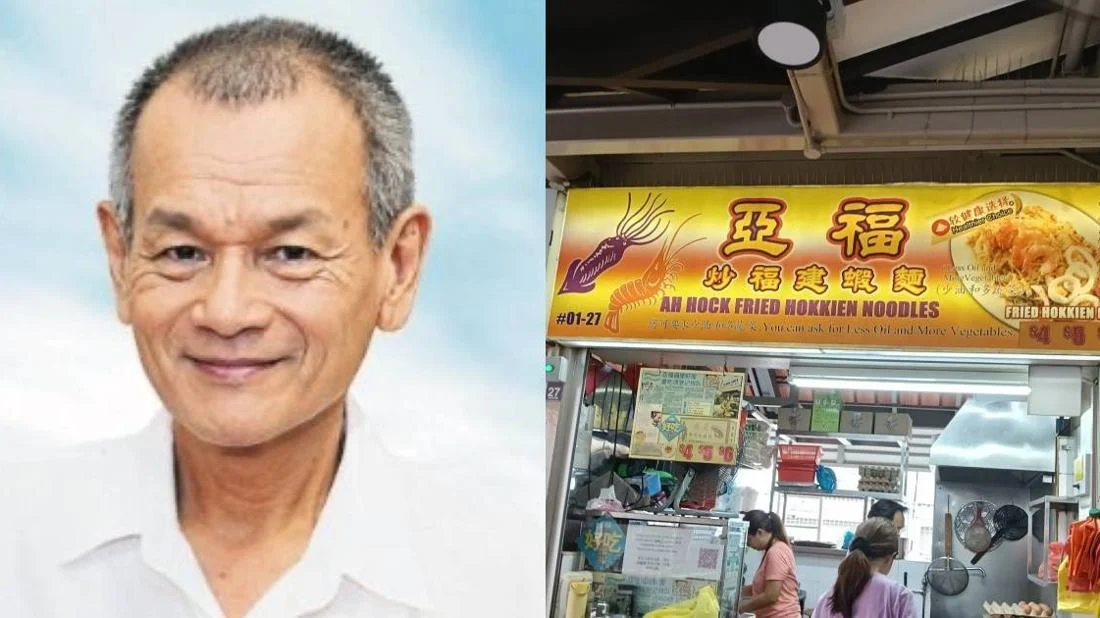
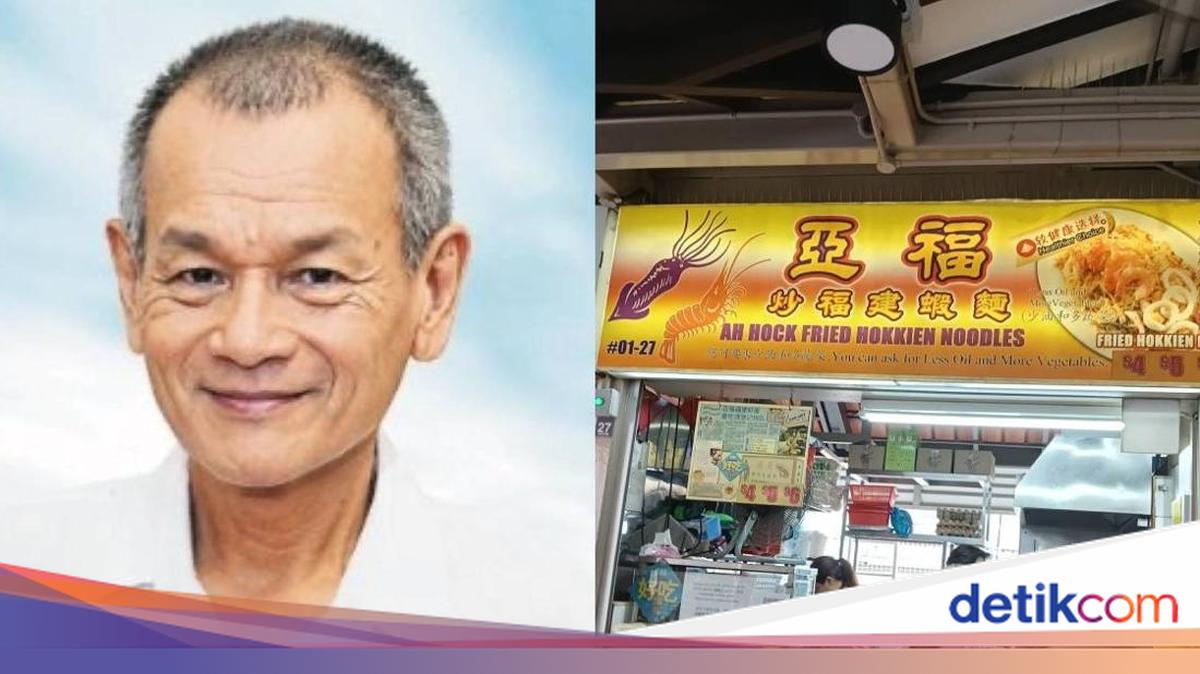
The Singaporean culinary landscape is in mourning following the announcement of the passing of Ng Hock Chuan, the venerable founder and master chef behind the renowned Ah Hock Hokkien Noodles. At the age of 79, Ng’s death marks the end of an era for one of the most iconic stalls at the Chomp Chomp Food Centre in Serangoon Gardens. Known for his quiet dedication and the distinctive flavor of his stir-fried noodles, Ng was a pivotal figure in defining the "Singapore-style" Hokkien Mee that has become a staple of the nation’s intangible cultural heritage. His departure has sparked a wave of tributes from long-time patrons, fellow hawkers, and food critics alike, all of whom recognize his profound contribution to the local gastronomic scene.
A Life Dedicated to the Wok: The History of Ah Hock
The story of Ah Hock Hokkien Noodles is inextricably linked to the post-war evolution of Singapore’s street food culture. Ng Hock Chuan was the fourth son of Ng Seng, a legendary figure who, along with his brother, is credited with being among the first to popularize the specific version of Hokkien Mee found in Singapore. Unlike the darker, thicker versions found in Malaysia, the Singaporean variant focuses on a lighter, more savory broth and a specific mix of yellow noodles and thin rice vermicelli (bee hoon).
Ng Hock Chuan began his own culinary journey in 1966, an era when Singapore was still finding its footing as a newly independent nation. During these formative years, he operated in the Serangoon Gardens area, building a reputation for consistency and quality. It was not until the 1980s that he moved his operations to the Chomp Chomp Food Centre, a location that would eventually become synonymous with his name. For over four decades at Chomp Chuan, Ng stood behind his wok, enduring the intense heat of the charcoal fires and the demands of a growing city, to serve thousands of hungry diners every week.
The Discovery and Public Reaction
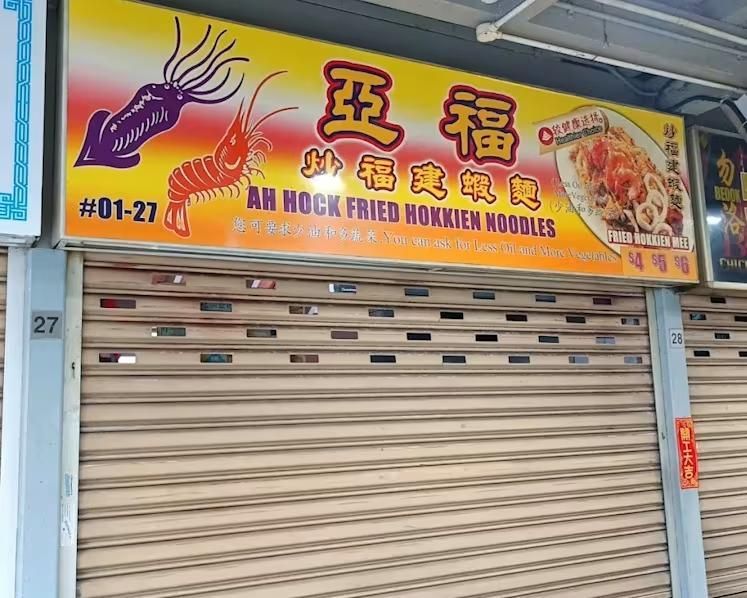
The news of Ng Hock Chuan’s passing first emerged through grassroots channels, highlighting the deep personal connection between hawkers and their customers. On Monday, July 20, a member of the "Hokkien Mee Hunting" Facebook group—a community of enthusiasts dedicated to finding the best noodles in the country—posted about a recent visit to the stall. Expecting to wait in the usual long queue for a plate of Ng’s signature dish, the customer found the stall shuttered.
Upon inquiring with a neighboring vendor, the customer was informed that the master hawker had passed away. The announcement quickly went viral, drawing hundreds of comments and shares. For many, Ng was more than just a cook; he was a constant in a rapidly changing city. Customers recalled his calm demeanor, his focused gaze as he managed multiple orders, and the subtle smile he offered to regulars. The reaction underscored a collective sense of loss, not just for a man, but for a piece of Singapore’s living history.
The Culinary Signature: What Made Ah Hock Unique
To understand the impact of Ng Hock Chuan’s passing, one must understand the technical mastery required to produce his Hokkien Mee. The dish, priced modestly at approximately S$4 per serving, was a masterclass in balance and "wok hei" (the breath of the wok).
The Ingredients and Technique
Ah Hock’s version was characterized by its relatively dry texture compared to the "wet" versions found elsewhere. It utilized a combination of yellow wheat noodles and thin bee hoon, which were braised in a rich, umami-laden stock. This stock was the secret to the stall’s success, reportedly made by simmering prawn heads, pork bones, and various secret aromatics for several hours.
The dish was topped with fresh prawns, rings of squid, and thin slices of pork belly. What set Ng apart was his patience; he allowed the noodles to fully absorb the broth until they were infused with flavor, rather than serving them swimming in liquid. The final touch was a serving of spicy sambal chili and a squeeze of calamansi lime, providing the acidity needed to cut through the richness of the lard and seafood.
Global Recognition
The quality of Ng’s work did not go unnoticed by international culinary bodies. Since 2018, Ah Hock Hokkien Noodles has been featured in the Michelin Guide Singapore. While many hawkers chase accolades, Ng remained humble, maintaining his traditional cooking methods even as his stall became a "must-visit" destination for international tourists and food bloggers. The Michelin Plate designation served as a formal validation of what locals had known for decades: that Ng’s noodles were among the best in the world.
The Broader Context of Singapore’s Hawker Heritage
The passing of Ng Hock Chuan brings into sharp focus the precarious state of Singapore’s hawker culture. In 2020, Singapore’s Hawker Culture was officially inscribed on the UNESCO Representative List of the Intangible Cultural Heritage of Humanity. However, this prestigious status masks a difficult reality: the aging population of first-generation hawkers and the challenges of succession.
The Challenge of Succession
Operating a hawker stall is grueling work. It involves long hours in cramped, hot conditions, physical labor, and thin profit margins. As the pioneers like Ng Hock Chuan reach retirement age or pass away, many stalls face closure because the younger generation is often reluctant to take over such demanding roles. In the case of Ah Hock, there is significant public hope that Ng’s sons will continue the business. Reports suggest that his children have been involved in the stall’s operations in the past, but the future remains uncertain as the family grieves their loss.
Economic and Cultural Implications
Hawker centers serve as "community dining rooms" where people from all walks of life gather. The loss of a legendary stall like Ah Hock creates a vacuum in the social fabric of the neighborhood. Economically, these stalls provide affordable, high-quality meals that help manage the cost of living in one of the world’s most expensive cities. When a master hawker passes without a clear successor, the specialized knowledge of recipes and techniques—often unwritten and passed down through practice—risks being lost forever.
Timeline of a Culinary Legacy
- 1940s-1950s: Ng Seng (Ng Hock Chuan’s father) begins selling Hokkien Mee, establishing the family’s culinary roots.
- 1966: Ng Hock Chuan officially starts his own business in the Serangoon Gardens vicinity.
- 1980s: The business moves to the Chomp Chomp Food Centre, becoming a cornerstone of the facility’s reputation as a late-night food haunt.
- 2018: Ah Hock Hokkien Noodles receives its first mention in the Michelin Guide Singapore, an honor it maintained for consecutive years.
- July 2024: Following a brief period of illness or sudden decline, Ng Hock Chuan passes away at the age of 79.
- July 20, 2024: The news is made public via social media, leading to a nationwide outpouring of grief.
Tributes and Official Reflections
The community response has been characterized by deep gratitude. One long-time customer, who had been eating at the stall since his teenage years, noted that the flavor of Ng’s noodles was "unrivaled in its heyday" and remained the gold standard against which all other Hokkien Mee was measured.
While official government statements regarding individual hawker deaths are rare, the sentiment from heritage advocates is clear. The death of a "hawker legend" is viewed as a loss of a national treasure. Experts in Singaporean food history emphasize that Ng Hock Chuan represented the "gold standard" of the trade—someone who didn’t rely on marketing or gimmicks, but on the sheer quality of the craft.
The family has requested privacy during this difficult time, but the legacy of Ng Hock Chuan is expected to be honored through various community initiatives. There are calls within the Serangoon Gardens community to find a way to memorialize his contribution to the Chomp Chomp Food Centre, ensuring that future generations understand the history of the man behind the wok.
Analysis: The Future of Traditional Flavors
The transition of Ah Hock Hokkien Noodles will be a significant case study for the future of Singaporean food heritage. If the business continues under his sons, it will represent a successful "generational handoff," a rare feat in an industry where many children of hawkers choose corporate careers. However, the pressure on successors is immense; they must not only replicate the flavor but also the "spirit" of the original creator.
Furthermore, the passing of such figures often leads to a "nostalgia boom," where customers flock to similar traditional stalls, realizing that these culinary icons are not immortal. This event may serve as a catalyst for renewed discussions on how to better support aging hawkers and incentivize the younger generation to preserve these vital culinary traditions.
In conclusion, Ng Hock Chuan was more than a vendor; he was a custodian of flavor and a symbol of Singaporean resilience and hard work. As the charcoal fires at his stall remain cold for the time being, the scent of his wok hei lingers in the memories of those who had the privilege of tasting his life’s work. His legacy remains a testament to the power of a simple plate of noodles to unite a community and define a nation’s identity.