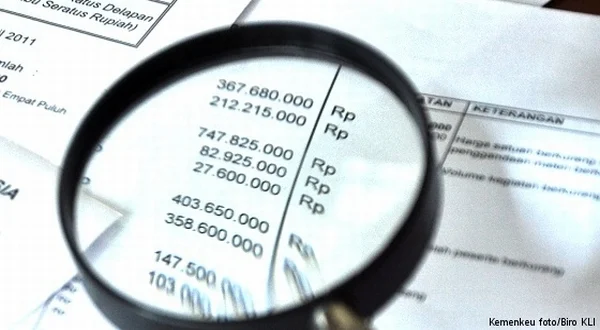
The Indonesian government, represented by Minister of Finance Chatib Basri, formally presented the Bill on the Accountability for the Implementation of the 2013 State Budget (RUU P2 APBN) to the House of Representatives (DPR) during a plenary session at the Nusantara II Building in Senayan, Jakarta, on June 24, 2014. This mandatory constitutional procedure serves as the final step in the fiscal cycle, detailing how public funds were utilized and managed during a year characterized by significant global and domestic economic volatility. Central to the presentation was the disclosure of the Audit Board of Indonesia’s (BPK) "Qualified Opinion" (Wajar Dengan Pengecualian or WDP) on the 2013 Central Government Financial Report (LKPP), a rating that highlights specific accounting discrepancies despite an overall fair presentation of the nation’s financial position.
Minister Chatib Basri provided an exhaustive explanation for this audit result, attributing the "Qualified" status to several persistent structural issues within the government’s balance sheet. According to the Minister, the primary factors preventing the government from achieving an "Unqualified Opinion" (WTP)—the highest possible audit rating—were related to the management of oil and gas receivables, specifically over-lifting issues, the valuation of credit assets inherited from the defunct Indonesian Bank Restructuring Agency (BPPN), and the administration of civil servant pension funds. These areas have historically proven difficult to reconcile due to the complexity of the underlying transactions and the multi-agency coordination required for accurate reporting.
Understanding the Audit Discrepancies: The Road to WDP
The BPK’s decision to grant a WDP status for the 2013 fiscal year signifies that, while the majority of the government’s financial statements are accurate, there are specific areas where the auditors could not obtain sufficient evidence or where the accounting does not fully comply with the Government Accounting Standards (SAP).
One of the most prominent issues cited by Minister Basri was the "over-lifting" of oil and gas. In the Indonesian energy sector, over-lifting occurs when a production sharing contractor (PSC) or the government takes more than its allocated share of crude oil or gas production in a given period. Reconciling these volumes with actual revenue and receivables is a complex process that often spans multiple fiscal years. For 2013, the BPK found that the documentation and valuation of these receivables remained inconsistent, leading to a qualification in the audit.
Furthermore, the assets formerly managed by the BPPN (Indonesian Bank Restructuring Agency) continue to haunt the national balance sheet. These assets, which were taken over by the state following the 1997-1998 Asian Financial Crisis to stabilize the banking sector, include various credit portfolios and physical properties. Decades later, verifying the current value and legal status of these "Ex-BPPN" assets remains a significant challenge for the Ministry of Finance. The BPK pointed out that the lack of clear documentation and the difficulty in recovering some of these credits made it impossible to certify their value with absolute certainty.
The third major hurdle involved the accounting for pension funds. The Indonesian government is responsible for the long-term pension liabilities of millions of civil servants. The transition toward more transparent, accrual-based accounting for these liabilities has faced hurdles regarding data synchronization between various government agencies and the state-owned insurance firm, PT Taspen. Without a precise actuarial valuation that satisfies BPK standards, this line item remains a recurring point of contention in the LKPP.
The 2013 Economic Context: A Year of External Volatility
Beyond the technicalities of the audit, Minister Basri used the plenary session to contextualize the government’s fiscal performance against a backdrop of severe economic headwinds. The year 2013 is remembered in financial history as the year of the "Taper Tantrum," a period of intense market volatility triggered by the United States Federal Reserve.
In May 2013, then-Fed Chairman Ben Bernanke suggested that the central bank might begin "tapering" or reducing its quantitative easing program. This announcement sparked a massive sell-off in emerging markets, including Indonesia. Capital began flowing back to the United States, putting immense pressure on the Rupiah and the domestic bond market. Minister Basri noted that this external shock was a primary driver of the macroeconomic shifts that forced the government to revise its 2013 budget targets mid-year.
In addition to the Fed’s policy shift, the global economy saw a marked slowdown in growth, particularly in China, which had been a major consumer of Indonesian commodities. As a result, international prices for coal, palm oil, and minerals—Indonesia’s primary exports—plummeted. This decline in commodity prices directly impacted state revenue, as non-tax state revenue (PNBP) from the mining and energy sectors fell short of initial projections.
Internal Pressures and the Current Account Deficit
The external shocks of 2013 exacerbated existing internal vulnerabilities within the Indonesian economy. The most pressing issue was the widening Current Account Deficit (CAD), which reached a record high of approximately 3.3% of GDP in 2013. This deficit was largely driven by a surge in oil imports, necessitated by high domestic fuel consumption and stagnant local production.
The pressure on the Rupiah was significant. After years of relative stability around the Rp 9,500 to Rp 10,000 per USD range, the currency depreciated sharply, crossing the Rp 12,000 threshold by the end of 2013. This depreciation increased the cost of servicing foreign debt and raised the price of imported goods, contributing to inflationary pressures.
To address these challenges, the government was forced to take unpopular but necessary fiscal measures. In June 2013, the administration of President Susilo Bambang Yudhoyono implemented a significant hike in subsidized fuel prices. The price of gasoline (Premium) was raised by 44%, from Rp 4,500 to Rp 6,500 per liter, while diesel prices rose by 22%. While this move was aimed at reducing the massive fuel subsidy burden on the APBN and narrowing the current account deficit, it also triggered a spike in inflation, which rose to over 8% by the end of the year.
Government Policy Response and Macroeconomic Adjustments
Minister Basri emphasized that the 2013 APBN was a "shock absorber" for the national economy. To mitigate the impact of the global financial turmoil, the government implemented a four-pillar policy package in late 2013. This package focused on:
- Strengthening the Current Account: By providing tax incentives to export-oriented industries and implementing measures to reduce oil imports, such as increasing the mandatory use of biodiesel (the B10 program at the time).
- Maintaining Growth and Investment: Streamlining licensing processes through "one-stop shops" to ensure that despite the global slowdown, foreign direct investment (FDI) would continue to flow into the country.
- Controlling Inflation: Working closely with the central bank (Bank Indonesia) and local governments to manage food supply chains and stabilize prices following the fuel price adjustment.
- Protecting the Poor: Implementing social safety net programs, including the Temporary Direct Cash Assistance (BLSM), to help low-income households cope with the rising cost of living.
"The dynamics of both internal and external factors inevitably impacted our basic macroeconomic assumptions," Basri told the lawmakers. "This, in turn, influenced the execution and the ultimate achievement of the 2013 State Budget targets."
Legislative Reaction and the Path Toward Accountability
The presentation of the RUU P2 APBN is the beginning of a legislative review process where various commissions within the DPR will scrutinize the government’s spending. Members of the DPR traditionally use this opportunity to question the effectiveness of government programs and the transparency of the Ministry of Finance’s reporting.
The WDP status, while not as severe as a "Disclaimer" or an "Adverse Opinion," remains a point of criticism for the legislature. Lawmakers often argue that after more than a decade of bureaucratic reform, the central government should have resolved recurring issues like the BPPN assets and oil receivables. The DPR’s Budget Committee (Bangkur) is expected to demand a more concrete roadmap from the Ministry of Finance on how it intends to transition these specific problematic accounts toward a clean audit in the 2014 and 2015 fiscal years.
In his closing remarks, Minister Basri reaffirmed the government’s commitment to improving financial governance. He noted that the transition to full accrual-based accounting, which was set to be fully implemented by 2015, would provide a more accurate picture of the government’s assets and liabilities, eventually helping to resolve the issues cited by the BPK.
Implications for Indonesia’s Fiscal Future
The 2013 fiscal year serves as a case study in managing a developing economy during a period of global transition. The "Qualified Opinion" from the BPK acts as a reminder that institutional and administrative reforms are as crucial as macroeconomic policy. For investors and international credit rating agencies, the transparency with which the Indonesian government acknowledges these audit discrepancies is generally viewed as a positive sign of maturing democracy and fiscal responsibility.
However, the challenges outlined in the 2013 report—such as the volatility of commodity prices and the sensitivity of the Rupiah to US monetary policy—remain relevant today. The government’s ability to reconcile its accounts while navigating an unpredictable global market continues to be the benchmark by which its success is measured. As the DPR begins its deliberations on the 2013 accountability bill, the focus will remain on how the lessons learned from that turbulent year can be applied to ensure a more resilient and transparent fiscal future for Indonesia.