The global landscape of personal finance and lifestyle choices has undergone a seismic shift over the last decade, as younger generations increasingly prioritize "experiential capital" over traditional material assets. For Millennials and Generation Z, the concept of a "successful life" is no longer strictly defined by the early acquisition of real estate or high-value commodities such as automobiles. Instead, a new paradigm has emerged where travel is viewed as a mandatory investment in one’s personal development, mental health, and long-term memory bank. This transition from a commodity-based economy to an experience-based economy is reshaping global markets, tourism infrastructure, and the very fabric of social status.
The Socio-Economic Shift from Assets to Experiences
Historically, the blueprint for adulthood involved a linear progression: securing stable employment, saving for a down payment on a home, and investing in durable goods. However, data from global financial institutions and consumer research firms suggest that this trajectory is being replaced by a preference for mobility and global exploration. According to recent consumer sentiment reports, nearly 70% of Millennials identify travel as a primary motivator for work, ranking it higher than homeownership or starting a family in some demographic sectors.
Several factors contribute to this shift. The rising cost of real estate in urban centers has made traditional homeownership feel unattainable for many young professionals, leading to a psychological pivot toward "attainable luxuries." Traveling, while expensive, offers an immediate and profound return on investment in the form of psychological well-being and cultural literacy. Furthermore, the advent of the "digital nomad" lifestyle, accelerated by the COVID-19 pandemic, has decoupled professional productivity from a fixed geographic location, allowing travel to integrate seamlessly into a person’s daily life rather than being a rare annual indulgence.
A Chronology of the Travel Lifestyle Movement
To understand how travel became a "lifestyle" rather than a "vacation," one must look at the chronological evolution of the industry over the past twenty years.
In the early 2000s, international travel was largely characterized by "Mass Tourism," dominated by all-inclusive packages and rigid itineraries. By 2010, the rise of social media platforms like Instagram and the launch of home-sharing services like Airbnb began to democratize the travel experience. Travelers gained the tools to seek out "off-the-beaten-path" destinations, moving away from tourist traps toward authentic local interactions.
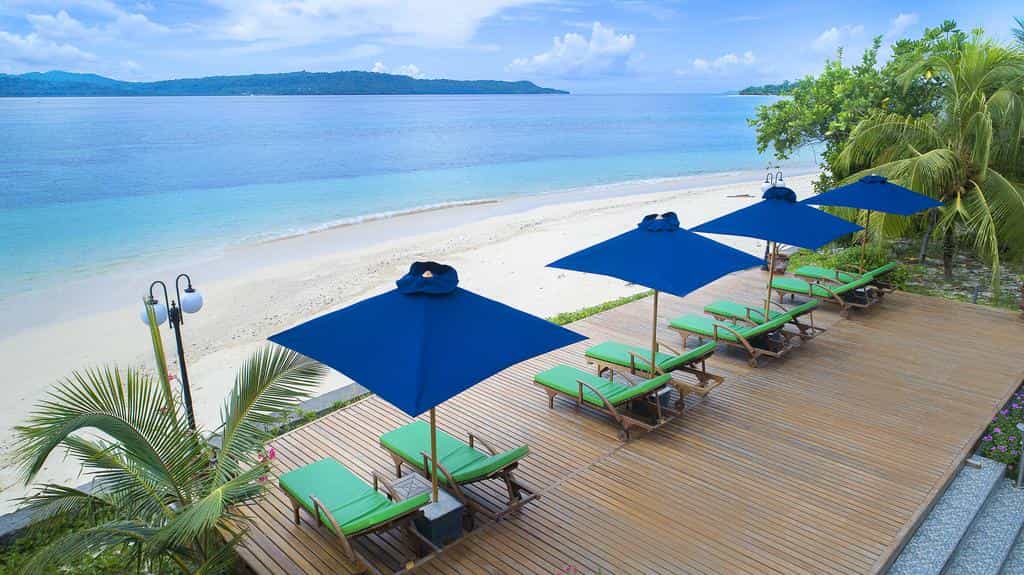
By 2015, the "Experience Economy" had officially taken hold. Research by McKinsey & Company during this period noted that spending on experiential services—such as travel, dining, and attending events—was growing four times faster than spending on goods. This era saw the birth of the "Influencer," who curated a lifestyle of perpetual movement, further cementing the idea that a life well-lived was a life well-traveled.
Following the global lockdowns of 2020-2021, the world witnessed the phenomenon of "Revenge Travel." This period marked a definitive turning point where the fragility of freedom was realized, leading to a surge in travel spending that defied inflationary pressures. In 2023 and 2024, travel has evolved into its current state: a holistic lifestyle choice that prioritizes slow travel, sustainability, and deep cultural immersion.
Implementing the Travel Lifestyle: Strategic Approaches
For those seeking to transition from occasional tourists to lifestyle travelers, industry experts and seasoned explorers suggest a strategic framework. This lifestyle is not merely about frequent movement but about a fundamental change in how one perceives the world and manages personal resources.
1. Cultivating Psychological Resilience and Financial Boldness
The transition to a travel-centric lifestyle begins with a shift in risk assessment. Traditional financial advice emphasizes the "safety" of fixed assets, but the travel lifestyle views the "safety" of a varied skill set and global perspective as equally valuable. Experts suggest that the primary barrier to this lifestyle is not a lack of funds, but a lack of resolve.
Implementing this requires "micro-saving" strategies where discretionary income is diverted from short-lived consumer goods (such as high-end fashion or the latest electronics) into a dedicated travel fund. The focus is on "surviving and thriving" with current resources. Journalistic analysis of successful long-term travelers shows a common thread: they do not wait for a "perfect" financial moment. Instead, they leverage the "gig economy" or remote work to sustain their movement, viewing travel as a continuous process rather than a destination.
2. Adopting a Fluid Itinerary and Local Integration
A hallmark of the modern travel lifestyle is the abandonment of the "checklist" mentality. Professional travelers argue that a rigid schedule is the enemy of authentic experience. By allowing a journey to unfold according to local conditions and spontaneous opportunities, travelers can engage in "Slow Travel."

This approach has significant economic implications for host communities. When travelers stay longer and move less predictably, they contribute more to local economies—frequenting neighborhood markets and smaller guesthouses rather than international hotel chains. This "fluidity" allows for the learning of local wisdom and traditional crafts, which provides a deeper sense of fulfillment than a standard sightseeing tour.
3. Enhancing Adaptive Intelligence and Cultural Competency
Perhaps the most critical component of the travel lifestyle is the development of adaptability. In a globalized economy, the ability to navigate different cultures, languages, and social norms is a high-value professional asset.
Adaptability involves more than just surviving in a foreign environment; it is about "cultural intelligence" (CQ). Travelers who treat their lifestyle as a form of education find that they become more innovative and better problem-solvers. This adaptability acts as a "survival kit" for the modern age, where the only constant is change. As the traveler learns to navigate the complexities of foreign bureaucracies, transport systems, and social etiquettes, they build a level of self-reliance that is rarely found in the comforts of a sedentary life.
Analysis of Implications: The Broader Impact
The rise of travel as a lifestyle has profound implications for various sectors of society.
Impact on Financial Services:
Banks and fintech companies are increasingly tailoring products to this demographic. "Travel-first" credit cards, multi-currency digital wallets, and insurance products that cover "anywhere-work" scenarios are becoming standard. Financial advisors are also seeing a shift, where clients are asking for "experience-based" retirement plans rather than just wealth accumulation.
Real Estate and Urban Planning:
The decline in interest in long-term homeownership among younger cohorts is forcing a reimagining of the housing market. There is a growing demand for flexible, short-term rentals and "co-living" spaces that cater to mobile professionals. This shift is also affecting urban planning, as cities compete to become "digital nomad hubs" by improving public Wi-Fi, co-working infrastructure, and international accessibility.
Environmental and Ethical Considerations:
With the rise of travel comes the responsibility of sustainability. The modern travel lifestyle is increasingly scrutinized for its carbon footprint. Consequently, there is a burgeoning market for "eco-conscious" travel, where travelers seek out carbon-neutral transportation and stay in accommodations that prioritize environmental stewardship. The "lifestyle traveler" of 2024 is often an advocate for the environments they visit, recognizing that the longevity of their lifestyle depends on the preservation of global heritage and nature.
Conclusion
The transformation of traveling from a luxury to a mandatory lifestyle reflects a broader human desire for meaning over ownership. In an era of digital saturation and economic volatility, the "investment in experience" offers a form of wealth that cannot be devalued by market crashes or inflation. By strengthening their resolve, embracing the unknown, and honing their ability to adapt, the modern generation is not just seeing the world—they are being reshaped by it.
As the global community continues to become more interconnected, the lifestyle traveler serves as a bridge between cultures, fostering a more empathetic and globally-minded society. The ultimate return on this investment is a profound understanding of one’s own identity and a collection of memories that serve as a lifelong source of inspiration. In the final analysis, the travel lifestyle is less about where one goes and more about who one becomes along the way.