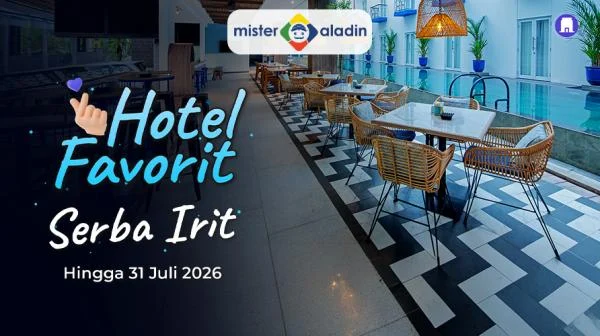
The landscape of Indonesian tourism is witnessing a significant shift as digital platforms and hospitality providers collaborate to streamline the travel planning process, a movement exemplified by the latest initiative from Mister Aladin. As domestic travel continues to serve as the backbone of the national tourism recovery strategy, the role of Online Travel Agencies (OTAs) has evolved from simple booking engines to comprehensive lifestyle facilitators. The recent curation of high-demand hotel accommodations by Mister Aladin highlights a growing trend where comfort, strategic location, and long-term price stability intersect to meet the demands of a more discerning Indonesian traveler. This initiative focuses on key tourism hubs including Bali, Jakarta, and Bandung, providing a roadmap for travelers seeking both luxury and value through a promotional window that remarkably extends until mid-2026.
Strategic Selection of Featured Accommodations
The selection of specific properties in Mister Aladin’s current campaign reflects a deep understanding of regional travel patterns and consumer preferences in Indonesia. In Bali, the inclusion of the Kampi Hotel Legian serves the high-traffic corridor between Legian and Kuta. This area remains the epicenter of Balinese tourism for first-time visitors and seasoned travelers alike, primarily due to its proximity to the iconic Beachwalk Shopping Center and the surf-friendly shores of Kuta Beach. By securing partnerships with "best-seller" hotels like Kampi, Mister Aladin addresses the persistent demand for modern, mid-scale accommodations that offer proximity to both leisure and retail hubs.
In the capital city of Jakarta, the focus shifts toward urban exploration and the revitalization of historic districts. The favehotel Melawai represents the strategic targeting of the Blok M area, a district that has undergone a cultural renaissance in recent years. Known as a "Little Tokyo" and a hub for creative youth culture, Blok M’s accessibility via the Jakarta MRT has transformed it into a primary destination for "staycations" and culinary tourism. The choice of favehotel Melawai allows travelers to immerse themselves in the vibrant local nightlife and dining scene without the logistical hurdles of navigating Jakarta’s notorious traffic, as the property sits within walking distance of major transit nodes.
Furthermore, the inclusion of Grand Tjokro Bandung addresses the specific needs of the family tourism market. Bandung remains the primary weekend retreat for residents of the Greater Jakarta area. The Grand Tjokro’s proximity to Cihampelas Walk (Ciwalk) and its strategic position on the route to the Lembang highlands make it a perennial favorite. For travelers, the hotel acts as a gateway to both the metropolitan shopping experience of central Bandung and the nature-oriented attractions of the north, such as the Orchid Forest Cikole or the Tangkuban Perahu crater.
The Evolution of the Indonesian OTA Market
The context of this promotional drive is rooted in the competitive landscape of the Indonesian OTA industry, which has seen exponential growth over the last decade. Market analysts note that Indonesian consumers are increasingly loyal to platforms that offer "all-in-one" convenience. Mister Aladin, as a subsidiary of the MNC Group, leverages its vast media network to reach a diverse demographic, ranging from budget-conscious backpackers to high-net-worth families.
The decision to extend promotional offers until July 31, 2026, is a notable departure from the industry standard of short-term, seasonal flash sales. This long-term strategy suggests a move toward price stabilization in a market often characterized by volatility. By allowing travelers to plan nearly two years in advance, Mister Aladin is effectively hedging against the inflationary pressures that typically affect the hospitality sector during peak seasons. This timeline provides a psychological "safety net" for consumers, encouraging them to commit to travel plans well in advance of public holidays and long weekends.
Supporting Data and Economic Context
Recent data from the Indonesian Central Bureau of Statistics (BPS) indicates that domestic tourism is currently the primary driver of the hospitality sector’s revenue. In 2023 and the first half of 2024, the number of domestic trips surpassed pre-pandemic levels, fueled by a growing middle class and improved infrastructure. The "Whoosh" high-speed railway connecting Jakarta and Bandung, for instance, has significantly altered the occupancy rates of hotels in Bandung, as travel time has been slashed to under an hour.
Industry reports suggest that "staycation" culture remains a dominant force. Approximately 45% of hotel bookings in major cities like Jakarta and Surabaya are made by local residents looking for a weekend change of scenery. This behavior explains why platforms like Mister Aladin are prioritizing properties in "hits" areas like Blok M or Melawai. These locations offer an "experiential" stay where the hotel is merely a base for exploring the surrounding neighborhood’s cafes, galleries, and public spaces.
In Bali, the recovery of the tourism sector has been robust, with I Gusti Ngurah Rai International Airport reporting a steady increase in both domestic and international arrivals. However, the domestic market remains crucial for stabilizing occupancy during the "low season" months of February to June. Strategic promotions for hotels in Legian help maintain a steady flow of Indonesian tourists who might otherwise be deterred by the premium pricing often associated with the island’s more secluded resort areas like Uluwatu or Nusa Dua.
Analysis of Implications and Industry Responses
Industry analysts view these long-term promotional campaigns as a signal of confidence in the continued growth of the domestic travel market. By locking in rates and highlighting specific properties, Mister Aladin is not only driving its own sales but also providing a guaranteed volume of guests for its partner hotels. This symbiotic relationship is vital for hotels like Grand Tjokro or Kampi Hotel, as it allows for better labor management and resource allocation over a multi-year horizon.
While official statements from the hotels have emphasized their commitment to maintaining service standards despite promotional pricing, hospitality experts warn that such long-term deals require rigorous yield management. "The challenge for hotels involved in multi-year promotions is balancing the discounted inventory with full-price bookings during peak periods like Lebaran or New Year’s Eve," noted a senior analyst from an Indonesian tourism consultancy. "However, the visibility provided by a platform like Mister Aladin often outweighs the marginal loss in room rate, as it ensures a high baseline occupancy rate."
From a consumer perspective, the implication is a shift toward "planned spontaneity." The availability of these deals allows travelers to book on short notice without the fear of astronomical price hikes, provided they stay within the curated list of partner hotels. This democratization of travel aligns with the Indonesian government’s "Bangga Berwisata di Indonesia" (Proud to Travel in Indonesia) campaign, which encourages citizens to explore their own archipelago rather than traveling abroad.
Chronology of Tourism Recovery and Market Shifts
The current state of the Indonesian hospitality market is the result of a specific timeline of events following the global pandemic. In 2021, the focus was primarily on survival and hygiene protocols (CHSE certification). By 2022, the "revenge travel" phenomenon saw a massive spike in domestic bookings as restrictions were lifted. In 2023, the market began to stabilize, but with a new emphasis on value-for-money and "Instagrammable" locations.
Leading into 2024, the trend has shifted toward "slow travel" and deep local integration. Travelers are no longer satisfied with staying in isolated resorts; they want to be where the action is—near the shopping malls of Bandung, the cafes of Melawai, or the beaches of Legian. Mister Aladin’s current campaign is a direct response to this two-year evolution of consumer behavior. By securing deals through 2026, the platform is anticipating the next phase of the market: a period of sustained, mature growth where reliability and ease of booking are the primary competitive advantages.
Broader Impact on the Hospitality Ecosystem
The ripple effects of such promotional initiatives extend beyond the hotel walls. When a hotel in Blok M or Cihampelas sees a surge in bookings, the local ecosystem of small and medium enterprises (SMEs) benefits. Street food vendors, local transport providers, and retail outlets in the vicinity of favehotel Melawai or Grand Tjokro Bandung see a direct correlation between hotel occupancy and their own daily turnover.
Furthermore, the digital integration of these bookings reflects Indonesia’s rapid digital transformation. The ease with which a traveler can navigate the Mister Aladin app to secure a room in Bali while sitting in a coffee shop in Jakarta is a testament to the country’s robust digital economy. This technological layer reduces the "friction" of travel, making it a more frequent activity rather than a once-a-year luxury.
In conclusion, the strategic enrichment of Mister Aladin’s hotel portfolio and the extension of its promotional timeline represent a sophisticated approach to modern tourism. By focusing on high-demand hubs and offering a long-term window for savings, the platform is addressing the core needs of the contemporary Indonesian traveler: convenience, affordability, and access to vibrant local experiences. As the industry looks toward 2026, such initiatives will likely become the benchmark for how OTAs and hospitality providers collaborate to sustain the momentum of one of the world’s most dynamic domestic tourism markets. Travelers are encouraged to act promptly to secure these rates, ensuring that their future memories of Bali, Jakarta, and Bandung are built on a foundation of comfort and smart financial planning.