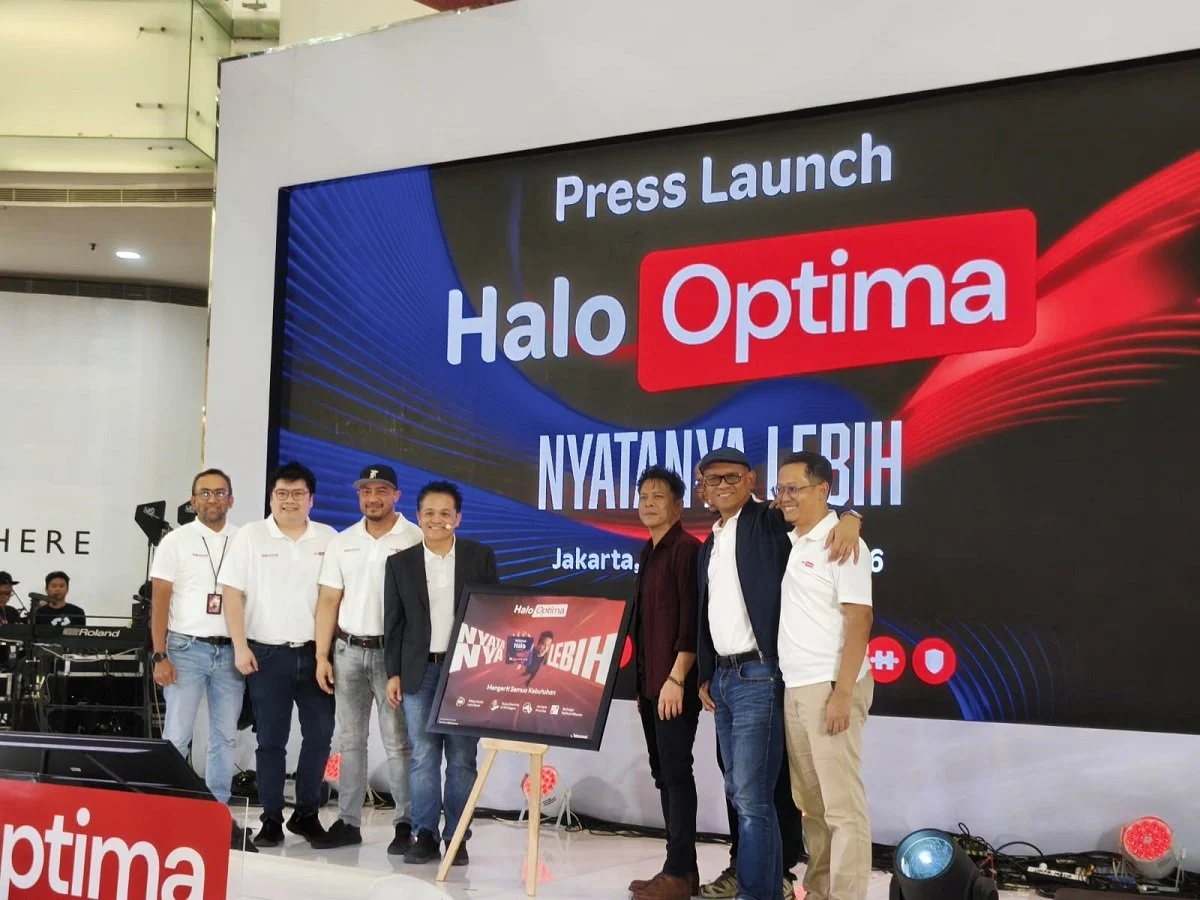
Jakarta, September 9, 2026 – Marking a significant shift in its digital service strategy, Telkomsel officially introduced "Halo Optima" on September 8, 2026. This new postpaid service tier represents an evolution of the company’s legacy Halo and Halo Plus offerings, designed to meet the escalating data consumption needs of the modern Indonesian consumer. By consolidating high-speed data, global roaming, premium entertainment subscriptions, and priority network access into a single, tiered ecosystem, Telkomsel is positioning itself to capture a larger share of the enterprise and high-usage consumer markets.
The Strategic Evolution of Telkomsel Postpaid
The launch of Halo Optima comes at a time when the telecommunications landscape in Southeast Asia is shifting from simple connectivity to value-added service bundling. As the digital economy in Indonesia continues to expand, driven by video streaming, cloud gaming, and remote work requirements, user demands have transitioned from basic monthly data buckets to comprehensive digital lifestyle management.
Historically, Telkomsel’s postpaid services—under the Halo brand—have been the premium choice for business professionals and long-term customers. However, as competitors in the Indonesian market have begun aggressive bundling strategies, Telkomsel has responded by restructuring its backend to accommodate the "Optima" tier. This initiative is not merely a rebranding exercise; it is an architectural overhaul of how the provider allocates bandwidth and value-added digital services to its most loyal subscribers.
Detailed Tiering and Subscription Structures
Halo Optima introduces a comprehensive range of tiers, scaling from entry-level professional use to ultra-high-consumption enterprise requirements. The entry-level package, Halo Optima 100K, serves as the baseline, providing 70 GB of internet, 200 minutes of talk time, 200 SMS, and 1 GB of international roaming data. This package is aimed at cost-conscious professionals who require a reliable, high-speed connection without the overhead of massive, unused data reserves.
At the upper end of the spectrum, the Halo Optima 1500K package sets a new industry benchmark for individual postpaid plans. It offers a staggering 2,000 GB (2 Terabytes) of monthly data, 2,000 minutes of voice calls, 2,000 SMS, and a generous 50 GB of roaming data. This tier is specifically engineered for power users, content creators, and corporate executives who operate across borders and require consistent, high-speed connectivity for data-heavy applications.
Integration of Premium Digital Ecosystems
One of the core value propositions of the Halo Optima line is the seamless integration of subscription-based digital entertainment. In previous years, customers were often forced to manage multiple third-party subscriptions independently. Under the new Halo Optima framework, Telkomsel has unified these services.
The bundles now include direct access to leading platforms such as Netflix, Spotify, Prime Video, Vidio, and YouTube Premium. Furthermore, the inclusion of niche streaming platforms like WeTV and iQIYI reflects Telkomsel’s data-driven understanding of local viewing habits. By packaging these services directly into the billing cycle, Telkomsel is effectively acting as a digital aggregator, simplifying the consumer experience while deepening the customer’s dependency on the Telkomsel ecosystem.
Enhanced Security and Priority Infrastructure
Beyond data and entertainment, Halo Optima introduces a suite of security and priority features that address contemporary digital threats. The integration of "SISCAMLING Pro," a proprietary anti-scam and anti-spam system, is a response to the rising tide of digital fraud and unsolicited communications in Indonesia. This feature provides a proactive layer of protection, filtering malicious traffic at the network level before it reaches the user’s device.
Moreover, the "Priority Network" feature ensures that Halo Optima subscribers receive higher bandwidth allocation during periods of network congestion, such as during public events or peak traffic hours. This is augmented by a dedicated customer support experience, offering priority handling at all GraPARI service centers and expedited access to the 188 call center. This focus on "VIP" service is a strategic move to reduce churn rates among high-value subscribers who prioritize convenience and reliability over purely price-based competition.
Timeline and Industry Context
The development of Halo Optima has been in the works for approximately 18 months. Following the success of the 5G rollout in major Indonesian urban centers, Telkomsel recognized that the standard data caps of 2024 and 2025 were no longer sufficient to support 5G-enabled applications.
- Q1 2025: Telkomsel initiates a strategic review of the "Halo Plus" portfolio, noting a 25% year-over-year increase in data consumption among its top 10% of users.
- Q4 2025: Pilot testing of the "Optima" infrastructure begins in Jakarta and Surabaya, focusing on network stability under high-load scenarios.
- August 2026: Finalization of licensing agreements with international streaming platforms to facilitate the integrated billing structure.
- September 8, 2026: Official launch of Halo Optima, coinciding with the broader deployment of updated network management software across the archipelago.
Official Perspective and Market Response
While official financial forecasts remain internal, the move is widely seen by analysts as an effort to increase the Average Revenue Per User (ARPU). By anchoring the service in "digital lifestyle" rather than "megabytes," Telkomsel aims to insulate itself from the price wars common in the prepaid segment of the Indonesian market.
Industry experts note that the inclusion of 150-country roaming capability is a strategic play for the business travel recovery segment. As international travel numbers continue to climb toward pre-pandemic levels, having a unified roaming package that functions seamlessly across the globe provides a significant competitive advantage over regional-only plans.
Broader Economic and Digital Implications
The launch of Halo Optima holds broader implications for Indonesia’s digital economy. As the country moves toward a more mature digital infrastructure, the demand for "all-in-one" connectivity services is expected to grow. Telkomsel’s transition to this model indicates that the market has moved beyond the "data-only" phase.
For consumers, the shift implies a transition toward "subscription-based living." By bundling entertainment, security, and connectivity, Telkomsel is becoming a gatekeeper for digital content consumption. While this offers convenience, it also underscores the growing concentration of power within major telecommunications providers, who are increasingly acting as curators of the digital experience.
For the enterprise sector, the introduction of 2,000 GB packages and priority network access simplifies the procurement of mobile services for employees. Companies can now standardize their telecommunications costs through a single, robust provider that offers verifiable security and uptime guarantees.
Future-Proofing the Network
The technical backbone of Halo Optima relies on Telkomsel’s extensive 5G coverage, which is being optimized to handle the higher traffic loads associated with these new packages. The introduction of the 2,000 GB tier, in particular, suggests that Telkomsel is confident in the capacity and scalability of its network. If successful, the Halo Optima model may be replicated in other regional markets where Telkomsel has a significant footprint, potentially setting a new standard for postpaid services in the developing world.
As the deployment continues, the company will likely focus on gathering data on how these bundles influence user behavior. Specifically, the adoption rates of the high-tier entertainment bundles will likely dictate future partnerships with media companies.
In conclusion, the launch of Halo Optima is a calculated strategic move by Telkomsel to consolidate its market leadership. By addressing the needs of high-data users, providing a robust security framework, and simplifying the entertainment subscription process, the company is positioning itself as a comprehensive digital partner rather than a mere utility provider. As the rollout continues throughout the remainder of 2026, the success of this initiative will be measured by its ability to retain high-value users and maintain its dominance in an increasingly crowded and competitive telecommunications sector.