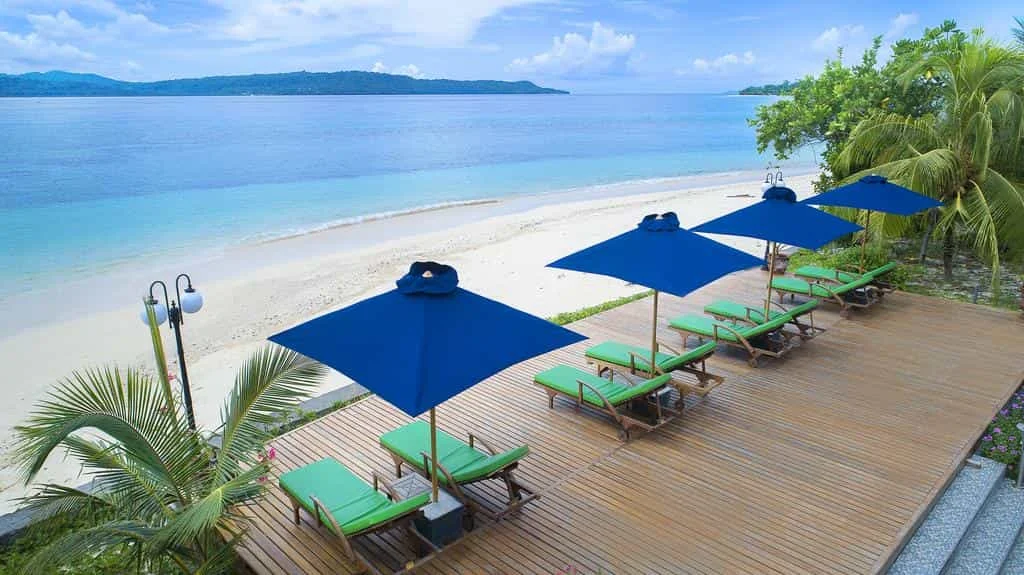
The paradigm of wealth accumulation and personal success has undergone a profound structural shift over the past decade. While previous generations primarily prioritized tangible assets—such as real estate, permanent savings accounts, and private vehicles—contemporary demographics, particularly Millennials and Generation Z, increasingly allocate their disposable income toward experiential consumption. At the center of this cultural evolution is lifestyle traveling, a phenomenon where regular exploration, geographic mobility, and cultural immersion are prioritized over conventional financial milestones. Driven by advancements in digital technology, the proliferation of remote work opportunities, and a growing psychological preference for memory-creation over material ownership, modern travelers are redefining what it means to invest in one’s future.
Background Context and Societal Evolution
To understand the current obsession with lifestyle traveling, one must examine the socio-economic backdrop against which the modern youth operates. Historically, economic stability was measured by property acquisition and long-term capital retention. However, shifting macroeconomic realities, including rising housing markets and fluctuating global economies, have altered the feasibility and appeal of traditional wealth-building models for younger demographics.
Concurrently, the digital revolution has completely transformed how people perceive the world. High-speed internet, social media platforms, and travel-booking applications have bridged geographical divides, making foreign cultures and remote landscapes more accessible than ever before. Rather than viewing travel as an occasional, luxury-tier vacation, contemporary society increasingly treats mobility as an essential component of personal development. Psychologists and sociologists note that investing in experiences activates pathways in the brain associated with lasting happiness and identity formation, outperforming the transient satisfaction derived from purchasing material goods.
Economic Implications and Market Data
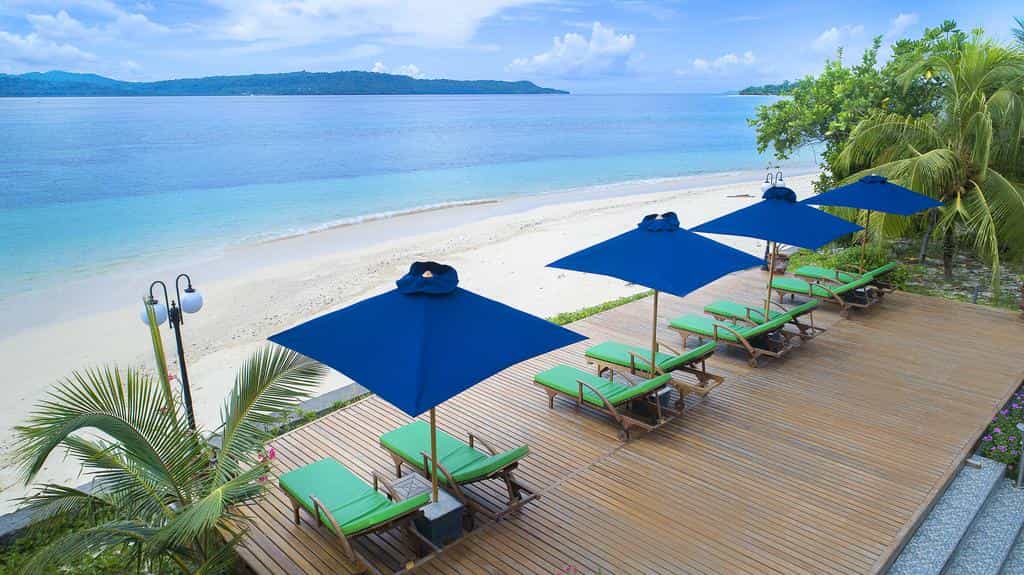
The financial reallocation from physical commodities to experiential services has generated significant shifts across multiple global industries. According to recent tourism and market research data, the global experiential travel sector has experienced exponential growth, outpacing standard package-holiday bookings. Young professionals are increasingly adopting "flashpacking" or digital nomad lifestyles, balancing professional obligations with continuous geographical relocation.
This shift has catalyzed the growth of the sharing economy, supporting alternative lodging platforms, co-living spaces, and localized tour operators. Financial analysts observe that this demographic values flexibility over permanence. Consequently, banking institutions and financial planners have had to adapt their portfolios to cater to clients who seek liquid, flexible financial management strategies rather than rigid, long-term loan commitments tied to property. Rather than abandoning financial prudence entirely, modern travelers practice a different form of budgeting—sacrificing daily luxuries to fund extended journeys that yield lifelong psychological returns.
Psychological Analysis and the Search for Identity
Sociological evaluations of lifestyle travelers reveal that this trend is not merely about leisure; it is fundamentally an exercise in self-discovery. Leaving the comfort of familiar surroundings forces individuals to navigate unfamiliar environments, resolve unexpected logistical hurdles, and confront personal biases.
Mental health professionals suggest that immersive travel acts as a catalyst for resilience. When individuals step outside their comfort zones, they develop heightened emotional intelligence and adaptability. By engaging directly with diverse communities, travelers cultivate global citizenship, dismantling cultural stereotypes and fostering a broader worldview. This internal transformation is precisely why experiential investments are frequently regarded by younger generations as superior to financial hoarding—the dividends are paid in personal growth, adaptability, and broadened perspective.
Strategic Frameworks for Embracing Lifestyle Travel

Transitioning from an occasional tourist to someone who embraces travel as a core lifestyle requires careful psychological and practical preparation. Industry experts and seasoned travelers recommend several foundational pillars for successfully integrating continuous exploration into one’s daily existence:
Cultivating Mental Resilience and Overcoming Hesitation
The primary barrier preventing individuals from adopting a mobile lifestyle is the psychological attachment to perceived security. Conventional wisdom dictates accumulating substantial capital before embarking on extended journeys. However, lifestyle travelers argue that waiting for absolute financial certainty often results in perpetual postponement. Developing a lifestyle of travel demands the courage to act despite uncertainty. This involves learning to survive and thrive with minimized possessions, trusting one’s resourcefulness rather than relying on elaborate safety nets.
Embracing Spontaneity and Adaptive Itineraries
While meticulous planning is a staple of traditional tourism, rigid itineraries can actually stifle the organic discoveries that define lifestyle travel. Veteran explorers emphasize the importance of maintaining flexible schedules. While establishing a general direction is necessary, remaining open to unexpected detours, local recommendations, and spontaneous adjustments allows travelers to engage authentically with their surroundings. Over-scheduling often leads to superficial observations, whereas flexibility creates space for genuine cultural immersion.
Mastering Cross-Cultural Adaptability

The cornerstone of sustainable, long-term travel is the ability to adapt to varying social norms, linguistic barriers, and environmental conditions. Cultural intelligence—the capacity to function effectively in culturally diverse settings—is an indispensable skill for the modern nomad. Respect for local customs, a willingness to learn basic regional vocabulary, and a non-judgmental approach to foreign traditions ensure that travelers integrate smoothly into the communities they visit. This adaptability not only enriches the travel experience but also minimizes friction and promotes cross-cultural understanding.
Implications for the Future of Work and Society
The normalization of lifestyle traveling carries far-reaching implications for global labor markets, urban planning, and cultural diplomacy. As remote work policies become permanently integrated into corporate structures, the boundary between professional obligations and personal leisure continues to blur. Governments and municipalities are increasingly introducing specialized nomad visas to attract mobile professionals, recognizing the economic contributions these transient residents bring to local economies.
Ultimately, the transition toward lifestyle traveling represents a fundamental philosophical reassessment of human value and time utilization. By prioritizing experiential wealth over material accumulation, contemporary generations are signaling a departure from the consumerist models of the past. As this trend matures, it promises to reshape not only the tourism industry but also the very fabric of how modern society defines success, fulfillment, and personal legacy.