The necessity of post-exercise hydration has long been dominated by the commercial sports drink industry. However, emerging nutritional research is shifting the focus toward natural, nutrient-dense alternatives that offer superior hydration profiles without the added sugars and synthetic dyes often found in conventional products. Proper recovery requires the replenishment of electrolytes—essential minerals including sodium, potassium, magnesium, and calcium—that are lost through perspiration. Maintaining the balance of these minerals is critical for nerve function, muscle contraction, and fluid regulation within the body.
The Physiology of Hydration and Electrolyte Depletion
When an individual engages in physical exertion, the body’s thermoregulation system triggers sweat production to lower core temperature. This process involves the loss of water and significant quantities of electrolytes. Sodium, the primary electrolyte lost in sweat, is vital for maintaining blood volume and pressure, while potassium serves as a key intracellular ion that helps maintain electrical gradients across cell membranes.
For decades, the standard protocol for athletes was to rely on laboratory-formulated sports drinks. While these products are designed to mimic the electrolyte composition of human sweat, they are frequently criticized by dietitians for their high glycemic index and artificial additives. Recent clinical inquiries, including studies published as recently as 2026, suggest that natural alternatives can provide comparable, if not superior, hydration efficiency by coupling electrolytes with natural carbohydrates and proteins.
1. The Superiority of Coconut Water
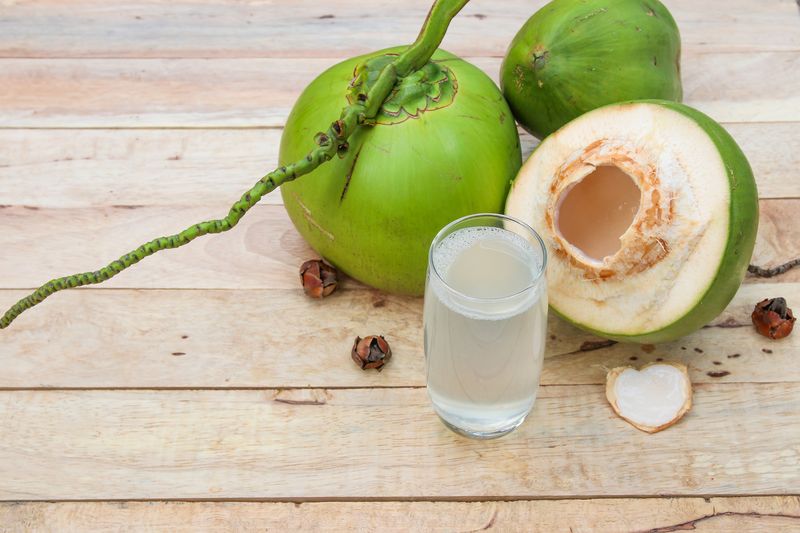
Often referred to as "nature’s sports drink," coconut water has gained significant traction in the athletic community. A standard 240ml serving provides approximately 404 mg of potassium and 64 mg of sodium. Unlike processed sports beverages, coconut water is derived from the endosperm of young, green coconuts, offering a rich source of electrolytes alongside natural enzymes.

Research from 2026 indicates that for individuals performing moderate-to-high intensity interval training, coconut water matches the hydration efficacy of commercial sports drinks. The potassium density in coconut water is particularly beneficial for preventing muscle cramps, a common post-exercise complaint. While its sodium content is lower than that of commercial alternatives, it remains a highly effective choice for sessions lasting under 90 minutes.
2. Electrolyte-Infused Water and Mineral Balance
For those concerned with caloric intake, electrolyte-infused water offers a low-sugar solution. These products are essentially purified water fortified with varying concentrations of magnesium, calcium, and sodium. The efficacy of these waters depends heavily on the specific formulation; for professional or endurance athletes, it is essential to monitor the sodium content.
Physiologists note that for workouts lasting less than an hour, the average individual does not require significant sodium supplementation. However, for endurance athletes, an intake of 50–160 mg of sodium per 240ml is recommended to prevent hyponatremia—a condition characterized by dangerously low blood sodium levels. Consumers are encouraged to inspect labels to ensure the product provides a functional mineral profile rather than merely trace amounts that provide no physiological benefit.
3. The Role of Fruit Juices in Glycogen Replenishment
Beyond mineral replenishment, post-exercise recovery requires the restoration of muscle glycogen stores. Fruit juices, such as orange or watermelon juice, serve a dual purpose: providing essential electrolytes and delivering rapidly absorbable carbohydrates.
A 2020 clinical study highlighted that 100% orange juice supports systemic hydration as effectively as traditional sports drinks. With 449 mg of potassium per cup, orange juice is an excellent source of recovery nutrition. However, because most fruit juices are naturally low in sodium, they should be paired with a salty snack or a pinch of sea salt for individuals engaging in heavy, prolonged sweating. Watermelon juice, specifically, contains the amino acid L-citrulline, which has been linked to reduced muscle soreness and improved blood flow, adding a layer of functional recovery beyond simple hydration.
4. Dairy-Based Recovery: The Protein Advantage
Perhaps the most underrated post-workout recovery beverage is cow’s milk. Milk provides a complex profile of nutrients that include potassium (390 mg), sodium (95 mg), calcium, and magnesium. Furthermore, the protein content in milk—specifically whey and casein—facilitates muscle protein synthesis, which is critical for tissue repair after resistance training.
Evidence suggests that the combination of protein and carbohydrates in milk may cause the body to retain fluid more effectively than water alone. By slowing the rate of gastric emptying, milk ensures a sustained release of nutrients into the bloodstream, which helps maintain hydration levels for a longer duration compared to electrolyte-depleted water.
5. Customizing Smoothies for Maximum Recovery
Smoothies represent the most versatile hydration strategy, allowing athletes to tailor their nutrient intake to their specific activity levels. By blending high-water-content fruits like berries and bananas with a base of yogurt or milk, individuals can create a drink that is rich in both electrolytes and bioactive compounds.
For those requiring an extra boost during high-intensity training, adding a small amount of high-quality salt to a smoothie is a scientifically sound practice. This "home-brewed" electrolyte solution ensures that sodium losses are addressed while avoiding the high-fructose corn syrup often found in mass-market sports drinks. Adding Greek yogurt further elevates the protein profile, aiding in long-term muscle recovery.
The Impact of Hydration Trends on Public Health
The shift toward natural hydration is not merely a lifestyle trend but a response to growing concerns regarding metabolic health. High-sugar sports drinks have been implicated in the rising rates of dental erosion and metabolic syndrome among sedentary populations who consume them as casual beverages.

Nutritionists advise that the "one-size-fits-all" approach to sports nutrition is outdated. The requirement for electrolytes is highly individual, determined by sweat rate, duration of exercise, environmental temperature, and individual metabolism. For the average gym-goer, water and a balanced diet remain the foundation of health. For those who engage in high-intensity sports, however, the integration of natural electrolyte sources like coconut water and dairy offers a scientifically backed pathway to improved performance and recovery.
Expert Perspectives and Future Implications
The integration of these natural alternatives into mainstream athletic culture suggests a broader movement toward whole-food nutrition. Sports science experts emphasize that while commercial drinks have their place in elite, high-stakes competition where precise glucose-to-sodium ratios are required, the general public benefits more from the micronutrient density found in natural sources.
Furthermore, the economic implications are noteworthy. As consumers become more educated about the contents of their beverages, the demand for transparency in labeling has forced the beverage industry to innovate. We are now seeing a rise in "clean-label" sports drinks that utilize coconut water or fruit concentrates as primary ingredients, signaling a convergence between the natural food market and the performance industry.
Conclusion: A Strategic Approach to Recovery
Effective recovery is the cornerstone of any sustainable exercise regimen. By prioritizing electrolyte-rich fluids such as coconut water, milk, and fruit juices, individuals can optimize their physiological response to exercise. Whether it is the potassium-rich profile of orange juice or the protein-enhanced hydration of a dairy-based smoothie, these natural alternatives provide a multifaceted approach to health.
As we look toward the future of sports nutrition, the focus will likely remain on personalization. The ability to listen to one’s body—recognizing signs of dehydration and understanding the necessity of mineral replacement—is the most valuable tool any athlete can possess. In the absence of extreme athletic conditions, the most effective hydration strategies are those that are sustainable, affordable, and derived from the natural world. Maintaining this balance ensures not only short-term recovery but long-term physiological well-being.