The Indonesian Ministry of Tourism, in strategic collaboration with the Indonesia Gastronomy Network (IGN), has officially announced the upcoming Wonderful Indonesia Gastronomy (WIG) 2026, an ambitious initiative designed to elevate the nation’s culinary identity to a position of international prominence. With a specific focus on the deep-rooted food cultures of Yogyakarta and Solo, the event aims to bridge the gap between traditional local heritage and the contemporary global gastronomic market. Scheduled to take place from September 26 to October 4, 2026, the festival represents the second iteration of a program that has become a cornerstone of the country’s tourism development strategy.
This year’s edition, operating under the thematic banner "From Local Roots to Global Recognition," seeks to provide more than just a culinary exhibition. It is structured as a comprehensive cultural narrative that traces the historical, social, and geographical origins of Indonesian food, positioning it as a sophisticated asset for global cultural diplomacy.
The Strategic Importance of Yogyakarta and Solo
The selection of Yogyakarta and Solo as the host cities is not merely incidental; it is a calculated decision based on the cities’ historical significance as the twin heartlands of Javanese culture. Both cities serve as custodians of the royal culinary traditions of the Surakarta and Yogyakarta sultanates, which have profoundly influenced the broader Indonesian flavor profile.
Yogyakarta, often described as a melting pot of artistic and intellectual traditions, offers a unique blend of "ndeso" (rustic) flavors and refined royal cuisine. Conversely, Solo, known formally as Surakarta, is frequently cited by culinary historians as the epicenter of authentic Javanese taste, particularly noted for its mastery of spice balancing, street food culture, and the preservation of ancestral recipes. By anchoring the event in these two cities, the Ministry of Tourism intends to provide international visitors and industry experts with a holistic experience that spans from high-end heritage dining to the vibrant, accessible world of traditional markets.
Chronology and Event Structure
The 2026 iteration of WIG follows a carefully curated timeline designed to maximize engagement and ensure long-term industry impact.
- Pre-Event Phase (August – Mid-September 2026): Preparatory workshops and regional selection processes were conducted to ensure that the small and medium-sized enterprises (SMEs) featured in the event meet the international standards required for export and global tourism appeal.
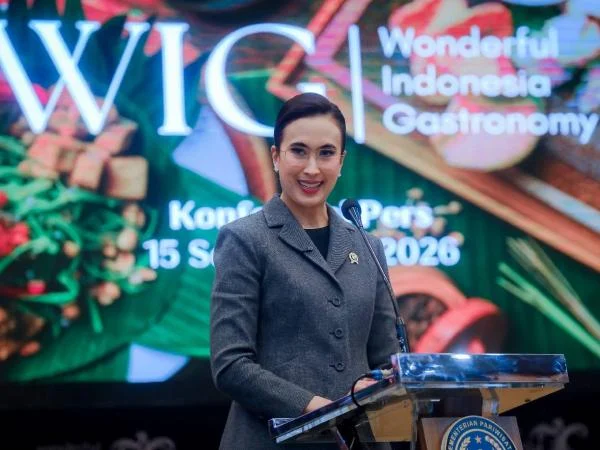
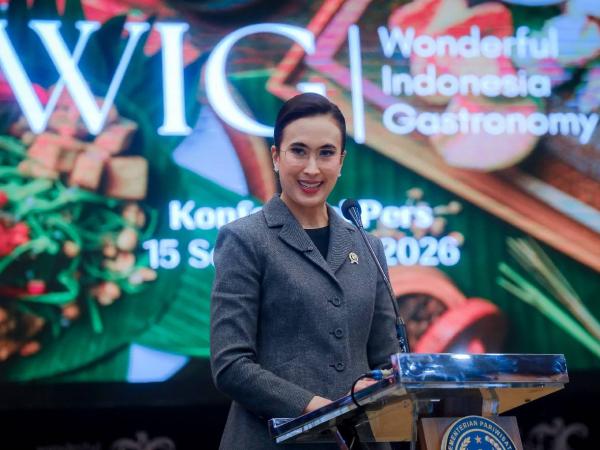
- Official Launch (September 15, 2026): The formal announcement ceremony held at the Gedung Balairung Soesilo Soedarman in Jakarta, where Minister of Tourism Widiyanti Putri Wardhana set the tone for the event.
- Primary Festival (September 26 – October 4, 2026): The core festival period, featuring immersive culinary tours, cooking demonstrations, symposiums on food preservation, and B2B (business-to-business) sessions between Indonesian producers and international culinary buyers.
- Post-Event Expansion (October – December 2026): A series of satellite programs, including culinary roadshows and digital storytelling campaigns, designed to sustain the momentum created during the primary event throughout the remainder of the year.
The Vision of the Ministry: From Local to Global
During the press conference on September 15, Minister Widiyanti Putri Wardhana emphasized that the program is a vehicle for national branding. "Through Wonderful Indonesia Gastronomy 2026, we are inviting the world to look closer and discover that the journey from local roots to global recognition starts here, in Indonesia," the Minister stated.
The Ministry’s objective is to professionalize the Indonesian culinary sector so that it can compete with established gastronomic powerhouses like Thailand, France, or Japan. This involves not only promoting existing dishes but also standardizing culinary education, improving food safety protocols, and fostering a digital ecosystem where traditional recipes can be accessed and appreciated by a global audience. The focus is on "gastro-diplomacy," using food as a soft-power tool to increase foreign tourist arrivals and stimulate the national economy.
Economic Implications and Industry Analysis
The tourism sector has faced significant challenges in 2026, including the recent natural disasters in the East Nusa Tenggara region—specifically the impact of the M7.7 earthquake on the Golo Koe festival in Manggarai Barat. These events have highlighted the need for greater resilience and geographic diversification in the tourism portfolio. By concentrating efforts on the cultural hubs of Central Java, the government is diversifying the national tourism narrative away from the over-reliance on Bali, thereby spreading economic benefits to a broader demographic of local business owners and artisans.
Economically, the WIG 2026 program is expected to yield several measurable benefits:

- SME Empowerment: Local food producers will receive direct exposure to international distribution channels and culinary influencers, facilitating potential export opportunities.
- Tourism Diversification: By highlighting the culinary identity of Yogyakarta and Solo, the government aims to increase the average length of stay for international tourists in Central Java, moving beyond the "one-day trip to Borobudur" model.
- Cultural Preservation: The focus on traditional techniques—such as slow-cooking in clay pots, the use of indigenous spices like kluwek, and the preservation of traditional fermentation—acts as an incentive for local communities to maintain their intangible heritage.
Addressing the Challenges of Global Recognition
While Indonesia boasts an incredibly diverse food landscape, it faces challenges in global standardization and international marketing. Unlike some neighboring countries that have successfully exported their food culture through government-backed restaurant chains and standardized training, Indonesia’s culinary sector has historically been fragmented.
The Indonesia Gastronomy Network (IGN) plays a critical role in addressing these gaps. By partnering with the Ministry, the network provides the technical expertise necessary to translate local culinary practices into a format that is digestible for the international market. This includes developing "gastronomy maps," curating experiences that align with the expectations of international tourists regarding hygiene and service quality, and creating educational content that explains the history behind the food.
The Broader Impact on Tourism Policy
The decision to continue the WIG program for a second year indicates a long-term commitment to culinary tourism as a pillar of the Indonesian economy. Data from previous years suggest that gastronomy contributes a significant portion to the average visitor’s spending, yet it is often an overlooked component of the broader travel experience.
By integrating culinary events with broader infrastructure projects—such as the improvement of transport links to the new Yogyakarta International Airport and the modernization of hotel facilities in Solo—the government is creating a seamless environment for "gastronomic tourism." Furthermore, the emphasis on the "roots" of the food—the farmers, the spice growers, and the traditional markets—ensures that the economic benefits of the festival are distributed throughout the supply chain, rather than just benefiting the hospitality industry.
Future Outlook: Beyond 2026
As the September 2026 festival date approaches, the focus is shifting toward logistics, international marketing, and ensuring that the local infrastructure in Yogyakarta and Solo is prepared for an influx of domestic and international visitors.

The success of this initiative will likely serve as a blueprint for future regional programs. If WIG 2026 proves successful in significantly increasing tourism traffic to Central Java, the Ministry is expected to roll out similar programs in other gastronomically rich regions, such as West Sumatra (known for its unique spice profiles and Padang cuisine) and the North Sulawesi region (famed for its distinct, bold flavors).
In conclusion, the Wonderful Indonesia Gastronomy 2026 is more than a series of food festivals. It is a strategic intervention aimed at rebranding Indonesia as a premier destination for global food enthusiasts. By grounding its global ambitions in the authentic, historic, and vibrant culinary traditions of Yogyakarta and Solo, Indonesia is positioning itself to capture a larger share of the lucrative cultural tourism market, ensuring that its rich heritage not only survives but thrives in the modern, globalized era.