
The importance of dietary fiber in human nutrition cannot be overstated, yet it remains one of the most neglected components of the modern diet. As global health organizations continue to sound the alarm on the rising prevalence of metabolic disorders, digestive issues, and cardiovascular diseases, the focus on nutrient-dense, fiber-rich whole foods has intensified. According to recent findings from health data repositories, integrating specific high-fiber foods into daily consumption patterns is a primary strategy for improving gut health, sustaining energy levels, and managing long-term physiological wellness.
Dietary fiber—the indigestible part of plant-based foods—functions as a vital regulator within the body. Beyond its well-documented role in maintaining regular bowel movements, fiber acts as a stabilizer for blood glucose levels and a protective agent for heart health. Despite these benefits, a significant portion of the adult population fails to meet the recommended daily intake of 25 to 30 grams, often opting for processed alternatives that lack structural integrity and nutritional density.
The Nutritional Significance of Dietary Fiber
The biological mechanism of fiber is multifaceted. Soluble fiber dissolves in water to form a gel-like substance that helps lower blood cholesterol and glucose levels, while insoluble fiber adds bulk to the stool and appears to help food pass more quickly through the stomach and intestines. This synergy not only prevents constipation but also fosters a healthy microbiome, the complex ecosystem of bacteria in the gut that is increasingly linked to immune system function and mental health.
Medical professionals frequently highlight that the chronic lack of fiber in contemporary diets is a byproduct of industrial food processing. When fiber is stripped from grains and fruits, the resulting product leads to rapid insulin spikes and diminished satiety. Reintroducing whole foods—such as avocados, legumes, and specific vegetables—is not merely a dietary preference but a clinical recommendation to mitigate the risk of type 2 diabetes and hypertension.
Nutritional Breakdown: Six Pillars of Fiber-Rich Nutrition
To address the nutritional deficit, health experts point to six specific food items that provide substantial fiber content per serving, along with secondary micronutrients essential for bodily repair.
1. The Versatility of Avocados
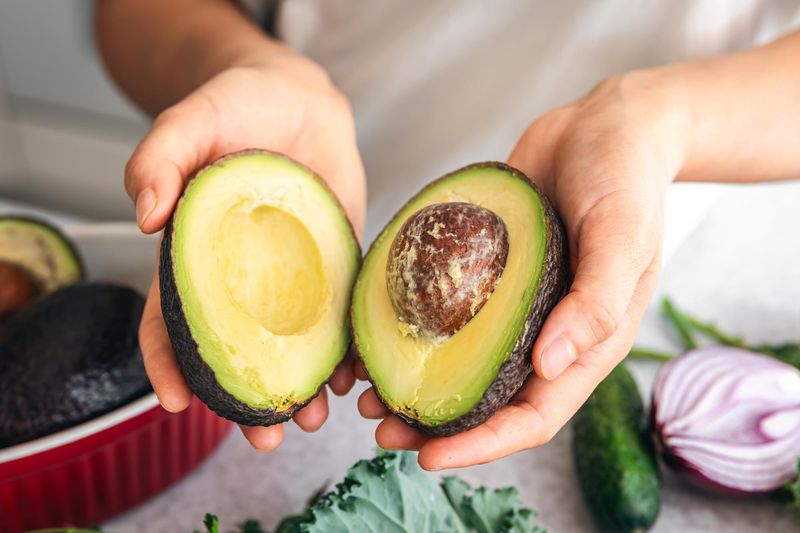
Avocados have emerged as a nutritional powerhouse in recent clinical observations. Providing approximately 6.7 grams of fiber per 100 grams, they offer more than just satiety. They are dense in monounsaturated fats, which are critical for cardiovascular health. Furthermore, the presence of magnesium, folate, and vitamins E and C makes them an ideal candidate for those looking to combat oxidative stress. Researchers note that the specific antioxidants found in avocados—polyphenols and carotenoids—work at a cellular level to reduce inflammation, a common precursor to many chronic diseases.
2. The Power of Black Beans
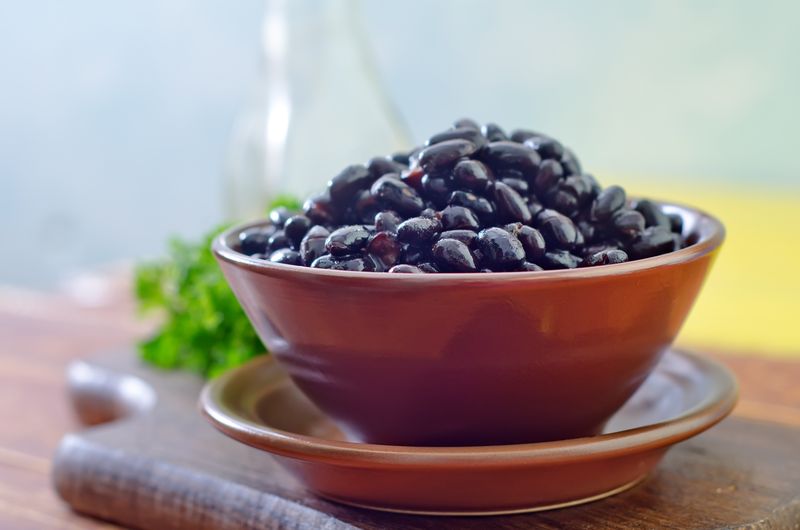
Legumes, specifically black beans, serve as a staple for those seeking high-protein and high-fiber combinations. With 8.9 grams of fiber per 100 grams of cooked beans, they are instrumental in blood pressure regulation. The high potassium and magnesium content found in black beans aids in the relaxation of blood vessels, contributing to lower blood pressure readings. In the context of global health, the widespread availability of black beans makes them a cost-effective solution for population-level interventions aimed at reducing cardiovascular mortality.
3. Lentils: A Protein-Fiber Hybrid
Lentils occupy a unique space in the diet due to their dual contribution of protein and fiber. Delivering 8.9 grams of fiber per 100 grams, they provide the satiety necessary to prevent overeating. Their high folate content is particularly noteworthy, as folate is a B-vitamin essential for DNA synthesis and the formation of red blood cells. For pregnant individuals, the inclusion of lentils is often mandatory due to the nutrient’s role in fetal development. The stabilization of energy levels provided by lentils makes them a preferred choice for sustained daily activity.
4. The Leafy Green Advantage of Spinach
While often underestimated for its fiber content compared to grains, spinach provides 2.2 grams per 100 grams. While the volume seems lower, its caloric density is significantly smaller, allowing for large, nutrient-rich portions. Beyond fiber, spinach is a delivery vehicle for vitamins A, C, E, and K. Its profile suggests a protective role against oxidative damage and potential anti-carcinogenic properties. Public health campaigns continue to promote dark leafy greens as a foundational element of a disease-preventing diet.
5. Pears: The Skin-Deep Benefit
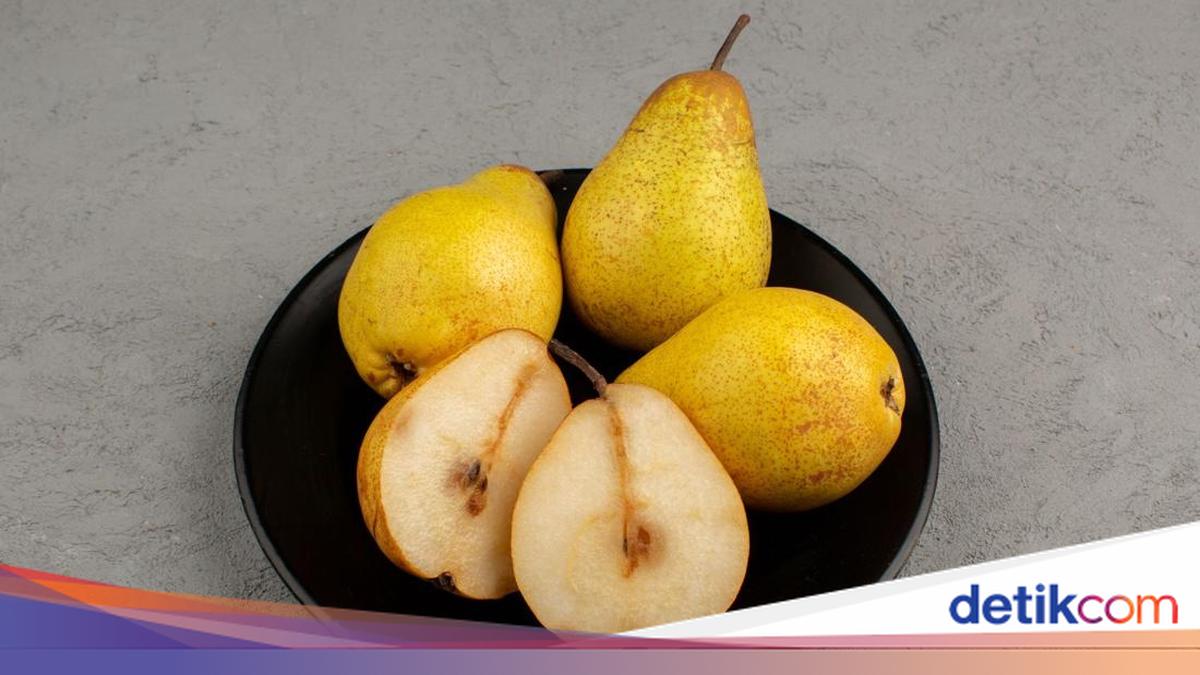
Pears are a primary example of how the consumption method dictates the nutritional outcome. With 3.1 grams of fiber per 100 grams, they are a significant source of dietary roughage. However, a crucial caveat exists: roughly half of the fiber content is concentrated in the skin. Consuming a peeled pear significantly reduces its health value. When eaten whole, pears provide essential phytochemically active compounds that assist in blood pressure management, reinforcing the importance of consuming fruits in their most natural state.
6. The Nutrient Density of Pumpkin Seeds
Pumpkin seeds, or pepitas, serve as an efficient, concentrated source of fiber, providing 5.1 grams per 100 grams. Their role as a versatile ingredient—whether added to salads, yogurts, or oatmeal—allows for easy integration into existing meal plans. Their high magnesium content mirrors that of other fiber-rich foods, supporting vascular health. Their crunch and flavor profile provide a healthy alternative to processed, high-sodium snacks, which is a key focus for nutritional counselors working with patients at risk of metabolic syndrome.
Clinical Implications and Long-Term Health Trends
The shift toward high-fiber diets is not a temporary trend but a necessary adjustment in response to the "Western diet" crisis. Epidemiological data suggests that populations with higher fiber intake exhibit lower rates of obesity, heart disease, and digestive disorders such as diverticulitis.
Medical institutions emphasize that the transition to a high-fiber diet should be gradual. A sudden influx of fiber without adequate water intake can lead to temporary gastrointestinal distress, such as bloating or cramping. Therefore, the advice provided by nutritionists is to increase intake slowly, allowing the gut microbiome to adapt to the change in substrate.
Global Health Perspectives and Official Recommendations
International health agencies, including the World Health Organization (WHO), have long advocated for the consumption of at least 400 grams of fruits and vegetables per day. The inclusion of the six aforementioned foods aligns perfectly with these guidelines.
From an economic perspective, the shift toward these fiber-rich foods also presents a sustainable path. Legumes like lentils and black beans are among the most environmentally sustainable crops to produce, requiring less water and nitrogen fertilizer compared to animal-based proteins. As food insecurity and environmental degradation become more prominent in policy discussions, the advocacy for a fiber-rich, plant-forward diet serves as a dual solution for personal health and global sustainability.

Conclusion: A Strategic Approach to Nutrition
The data is clear: fiber is not merely a digestive aid but a fundamental component of longevity. By prioritizing foods such as avocados, black beans, lentils, spinach, pears, and pumpkin seeds, individuals can take proactive control over their metabolic health. The objective for the coming decade is to integrate these foods not as supplements, but as the cornerstone of daily culinary practices.
As the medical community continues to refine its understanding of the gut-brain axis and the role of the microbiome, the significance of dietary fiber will only grow. For the average consumer, the path to better health is accessible, affordable, and grounded in the simple, whole foods that have sustained human populations for millennia. Adopting these habits today offers a low-risk, high-reward strategy for maintaining vitality, managing body weight, and ensuring long-term systemic wellness.