Nestled in the heart of West Java’s cooling mountain landscapes, Hotel Salak The Heritage stands as a testament to Indonesia’s complex colonial history, architectural endurance, and evolution in modern hospitality. Located strategically at Jalan Ir. H. Juanda Nomor 8, Bogor, this four-star accommodation offers guests a rare opportunity to step back in time while enjoying contemporary amenities. Surrounded by the refreshing ambiance of the Bogor highlands and situated just a short distance from major national landmarks, the hotel remains a focal point for both domestic tourists seeking a historical staycation and international travelers exploring the cultural richness of the region.
Prime Location and Proximity to Bogor’s Cultural Landmarks
The geographical advantage of Hotel Salak The Heritage is one of its primary draws. Positioned in the administrative and historical center of Bogor, the hotel is closely tied to the city’s most significant botanical, historical, and governmental landmarks.
Guests stepping outside the hotel find themselves within walking distance of several iconic destinations. The world-renowned Kebun Raya Bogor (Bogor Botanical Gardens), spanning over 80 hectares and housing thousands of tropical plant species, lies just 710 meters away. Adjacent to the gardens is the majestic Istana Bogor (Bogor Palace), one of the official residences of the President of the Republic of Indonesia, located a mere 550 meters from the property.
For history and nature enthusiasts, the Museum Zoologi—which houses one of the largest collections of scientific specimens in Southeast Asia—is situated 630 meters away. Furthermore, the sprawling natural expanse of the Taman Nasional Halimun Salak is accessible within a 520-meter radius. This strategic positioning allows visitors to seamlessly blend historical exploration, environmental tourism, and urban convenience during their stay.
Architectural Heritage and Colonial Origins
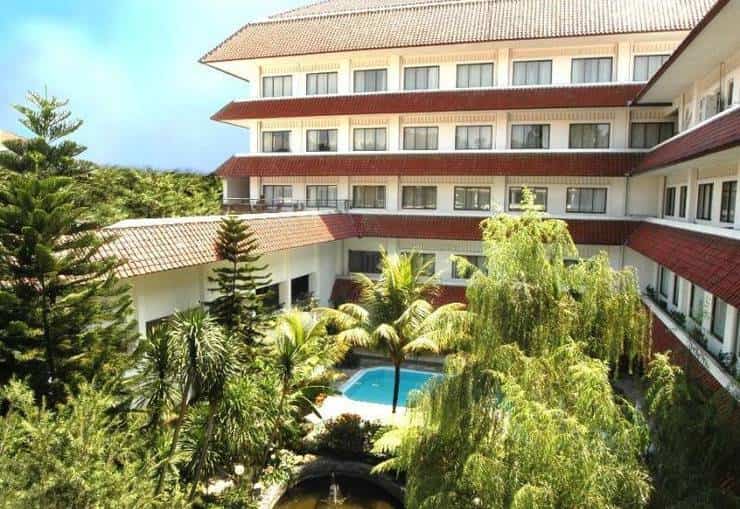
The defining characteristic of Hotel Salak The Heritage is its distinct colonial architecture, which reflects the design sensibilities of the Dutch East Indies era. The establishment’s roots trace back to 1856, making it one of the oldest operating hospitality institutions in the country.
Originally established under the name Bellevue-Dibbets Hotel, the property was owned by the family of Charles Ferdinand Pahud, who served as the Governor-General of the Dutch East Indies from 1856 to 1861. During this foundational period, the hotel was envisioned and constructed to serve as a high-end accommodation for visiting VOC (Dutch East India Company) officials, colonial administrators, and European elites traveling to the mountainous retreat of Buitenzorg—the colonial name for Bogor.
The architecture heavily incorporates classic European elements adapted to the tropical climate of the archipelago. High ceilings, expansive verandas, large arched windows, and symmetrical facades were intentionally designed to maximize natural ventilation and light, a hallmark of colonial Indies architecture. Despite subsequent renovations and modern upgrades, the structural integrity and aesthetic essence of the 19th-century building have been meticulously preserved, offering guests an immersive historical ambiance.
Chronology of Ownership: From Colonial Luxury to World War II Military Base
The history of Hotel Salak The Heritage mirrors the broader geopolitical shifts of Indonesia across three centuries. Following its establishment in the mid-19th century, the Bellevue-Dibbets Hotel operated for decades as a premier symbol of colonial leisure and administrative hospitality.
A pivotal turning point occurred during the onset of World War II in the Pacific. With the Japanese invasion of the Dutch East Indies in 1942, foreign-owned properties were systematically seized by the Imperial Japanese Army. The hotel was requisitioned and repurposed as a strategic military headquarters for Japanese forces occupying the region. During this turbulent period, the luxury accommodations transformed into a command center, stripping away its leisure function to serve the war efforts of the occupying regime.
Following the collapse of the Japanese occupation and Indonesia’s formal declaration of independence in August 1945, the property underwent a nationalization process alongside numerous other foreign-owned assets. The hotel was eventually transferred to local ownership and rebranded simply as Hotel Salak. Over the subsequent decades, the management undertook phased modernization efforts to align the historic property with contemporary hospitality standards while honoring its storied past. Today, the complex encompasses 140 well-appointed rooms and 16 dedicated meeting spaces, bridging the gap between historical preservation and corporate utility.
Comprehensive Amenities and Hospitality Standards
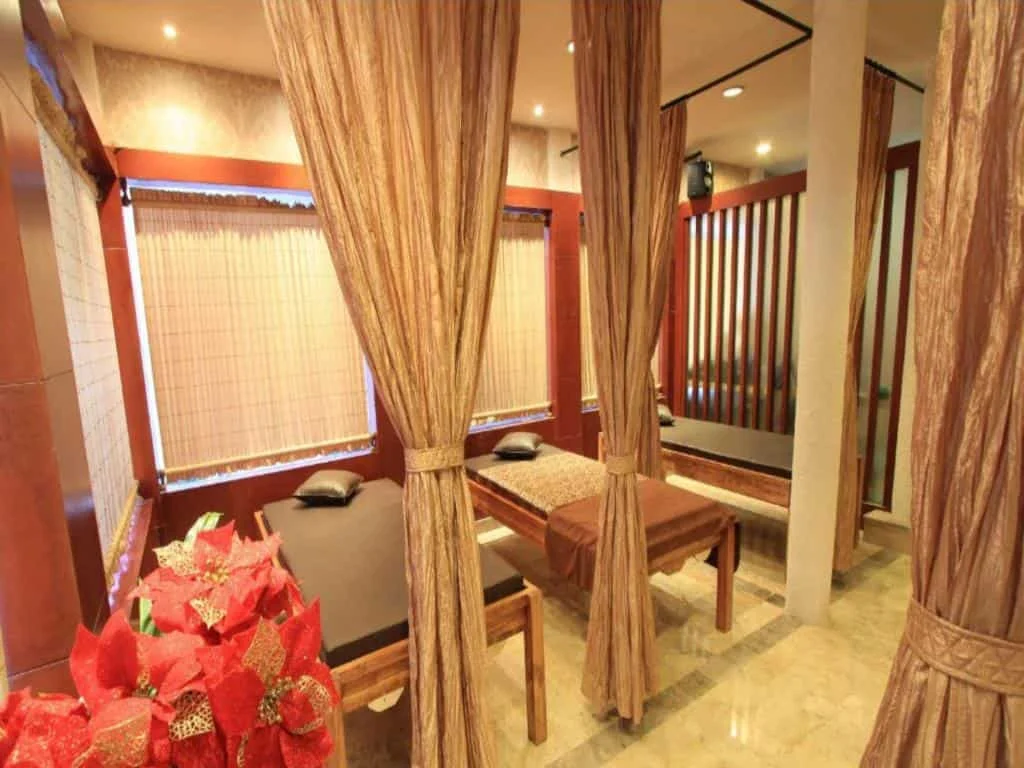
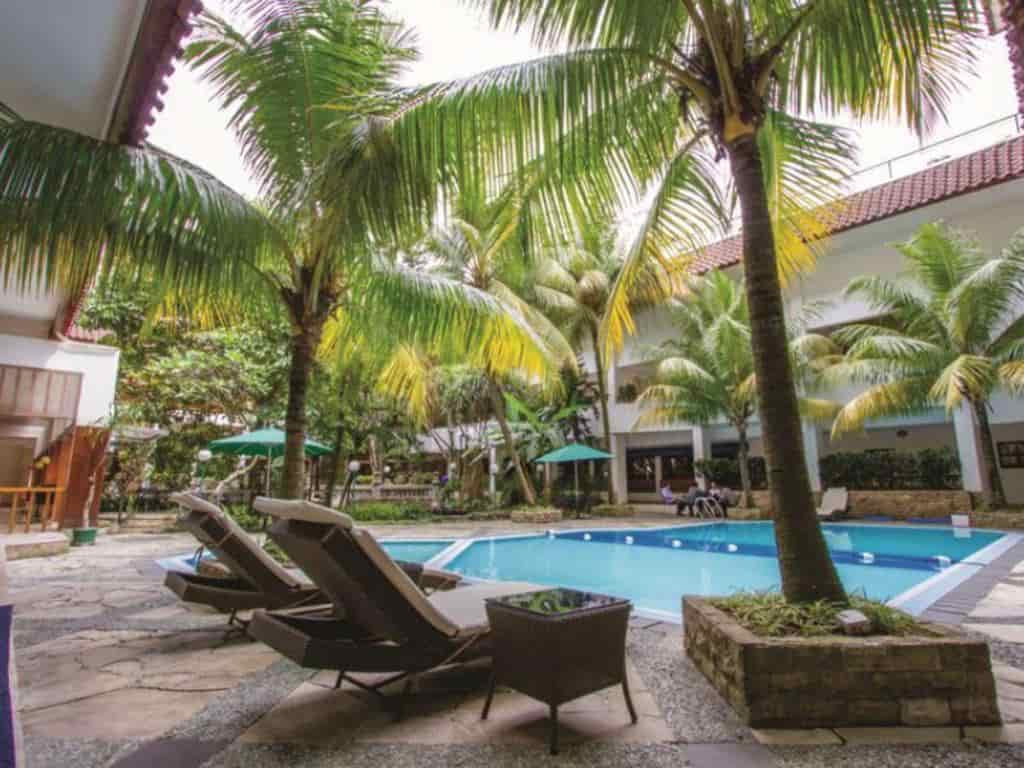
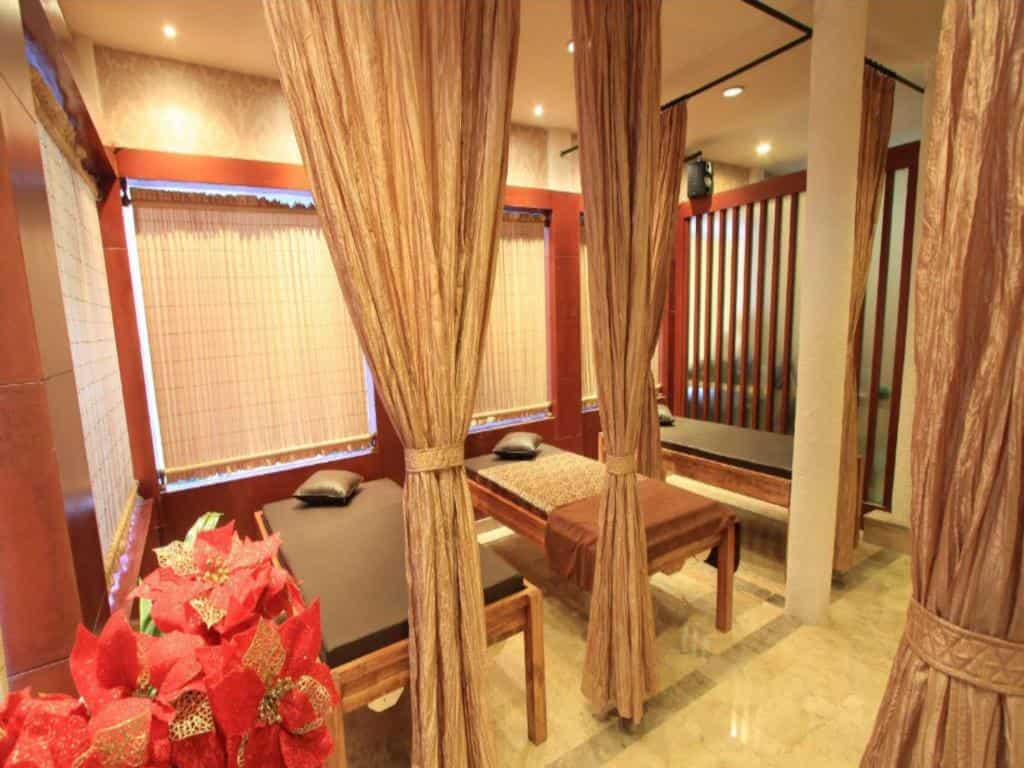
While the exterior and public spaces heavily emphasize historical nostalgia, the interior amenities are designed to meet the rigorous demands of modern travelers. Hotel Salak The Heritage features a robust suite of recreational and wellness facilities, including a fully equipped fitness center, a professional spa, an outdoor swimming pool, a traditional library, karaoke rooms, and billiard facilities.
Culinary needs are addressed through multiple dining venues, ranging from formal restaurants serving a mix of Indonesian and international cuisine to cozy coffee shops and bars. To accommodate business travelers and tourists arriving from afar, the hotel provides efficient airport shuttle services upon request. High-speed Wi-Fi connectivity blankets the property, and the 24-hour front desk ensures seamless check-in and concierge support at any hour.
Marketed competitively on platforms such as Agoda, room rates generally start around IDR 509,171 per night, making heritage luxury accessible to a wide demographic of travelers seeking a value-driven yet culturally rich staycation experience.
International Recognition and Official Endorsements
Throughout its numerous corporate incarnations and management changes, Hotel Salak has consistently maintained a reputation for elite service standards. This commitment to security, protocol, and hospitality was underscored on an international scale in 2006.
During a historic state visit to Indonesia, United States President George W. Bush utilized the facilities and services of Hotel Salak. In recognition of the establishment’s exceptional operational readiness, security compliance, and world-class service delivery, the hotel was honored with an official Certificate of Appreciation from the White House Communications Agency. This accolade solidified the property’s status not only as a domestic historical icon but also as a globally trusted venue capable of hosting high-profile international dignitaries and heads of state.
Broader Implications and Tourism Impact
The enduring presence of Hotel Salak The Heritage highlights a growing trend in modern tourism: the adaptive reuse and commercial valorization of historical structures. By preserving its 19th-century architecture while integrating 21st-century amenities, the hotel plays a crucial role in maintaining Bogor’s cultural identity amidst rapid urbanization.
For the local economy, the property acts as a major catalyst for heritage tourism, drawing visitors who contribute to surrounding museums, botanical gardens, and culinary enterprises. As travelers increasingly seek experiential destinations that offer narrative depth alongside physical comfort, historic accommodations like Hotel Salak The Heritage demonstrate that the architectural legacies of the past can successfully sustain relevance, economic viability, and cultural education in the modern era.