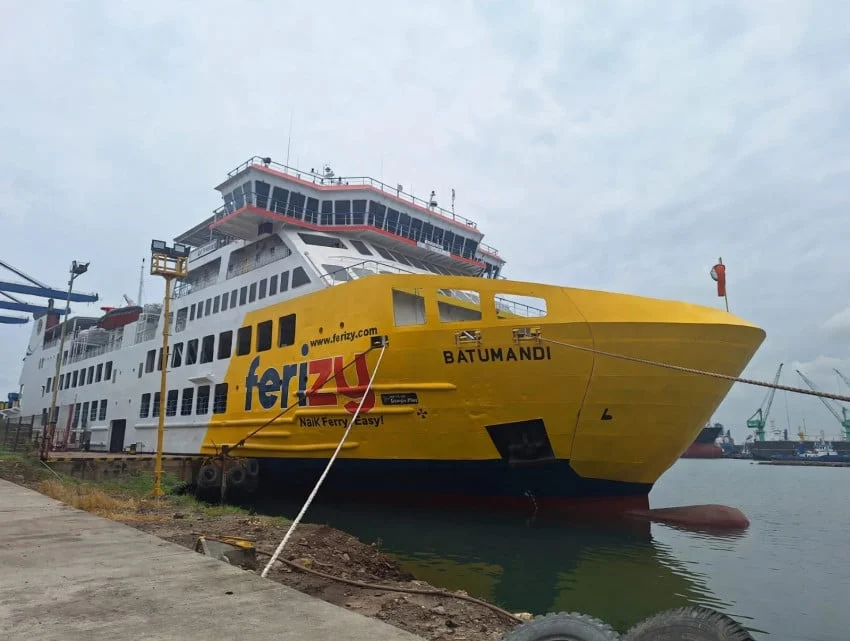
The maritime industry in Indonesia remains under heightened scrutiny following the alarming fire incident involving the passenger ferry KMP Batu Mandi. On October 20, 2026, the vessel, a critical link in the cross-strait transit between Sumatra and Java, caught fire while navigating the waters of the Selat Sunda, specifically in the vicinity of Pulau Merak Besar, Cilegon, Banten. In the wake of the emergency, PT Biro Klasifikasi Indonesia (Persero), or BKI—the national classification society responsible for ensuring the technical integrity of the Indonesian merchant fleet—has officially commenced a rigorous audit of the vessel’s technical documentation and historical maintenance records.
This investigation marks a pivotal step in understanding the underlying conditions of the vessel at the time of the incident. While BKI’s mandate is strictly limited to technical classification and certification, the data derived from this audit will serve as the primary foundation for regulatory bodies and investigators tasked with determining the causal factors of the blaze.
Chronology of the Incident and Emergency Response
The fire aboard KMP Batu Mandi triggered a massive mobilization of emergency services in the Banten region. Reports from the incident indicate that the fire broke out during a routine crossing, leading to immediate panic among passengers. The captain and crew, following standardized maritime emergency protocols, issued distress signals which were promptly received by the Merak Port Authority and the Indonesian Search and Rescue Agency (Basarnas).
The rescue operation was complex, conducted under the challenging conditions of the Sunda Strait’s strong currents. Hundreds of passengers were successfully evacuated onto nearby rescue vessels and tugboats deployed from the Port of Merak. While the evacuation was largely successful in preventing significant casualties, the emotional and logistical toll on the passengers—many of whom were travelers between the islands of Sumatra and Java—was substantial. By the early hours of October 21, the fire was brought under control, but the vessel sustained significant structural damage, necessitating a complete technical assessment before any consideration of future operation.
Scope of BKI’s Technical Audit
PT Biro Klasifikasi Indonesia, acting as the delegated authority for national vessel standards, holds a unique position in this investigation. According to Arief Budi Permana, Director of Classification Operations at BKI, the agency is performing a deep-dive analysis into the vessel’s lifecycle records.
"Sehubungan dengan insiden tersebut, BKI melakukan penelaahan terhadap dokumen dan rekam jejak teknis kapal yang relevan, termasuk status klasifikasi, riwayat survei, serta sertifikasi yang berada dalam lingkup kewenangan BKI," stated Permana during an official press briefing on Sunday, October 25, 2026.
The scope of this audit covers three critical pillars of maritime safety:
- Classification Status: Verifying whether the vessel was in full compliance with its assigned class notations at the time of the incident.
- Survey History: Reviewing records of all mandatory dry-dockings and intermediate inspections conducted over the past three years.
- Certification Integrity: Validating the authenticity and validity of safety equipment certificates, including fire suppression systems, emergency generators, and life-saving apparatus.
BKI has emphasized that while this review is essential for transparency and stakeholder assurance, it does not function as an accident investigation report. The determination of the fire’s origin—whether it was a mechanical failure, an electrical short-circuit, or human error—remains the purview of the National Transportation Safety Committee (KNKT) and the Ministry of Transportation.
Maritime Safety Context and Regulatory Framework
The KMP Batu Mandi incident has reignited debates regarding the aging fleet of ferries currently operating on the Merak-Bakauheni route. This corridor is one of the busiest and most vital maritime arteries in Indonesia, facilitating the movement of thousands of commercial vehicles and passengers daily.
The aging of vessels in the Indonesian archipelago is a persistent challenge for the Ministry of Transportation. Many ferries in operation are over two decades old, requiring stringent maintenance regimes to meet international safety standards, such as the Safety of Life at Sea (SOLAS) convention. BKI’s role in this ecosystem is to act as a gatekeeper; by enforcing strict survey requirements, they ensure that vessels meet the minimum technical threshold to remain in service.
However, critics in the shipping industry argue that regardless of documentation, the physical reality of older vessels often presents latent hazards that traditional surveys might not fully capture. The BKI audit of KMP Batu Mandi will likely involve a comparison between the theoretical safety status recorded in the archives and the physical state of the ship post-fire. This discrepancy analysis is crucial for policy formulation, as it may lead to stricter requirements for older vessels operating in high-traffic, high-risk zones.
Broader Implications for the Indonesian Ferry Industry
The fire on KMP Batu Mandi has implications that extend far beyond the immediate damage to the vessel. For the shipping operator, the incident represents a significant loss in operational capacity. With one of the main vessels pulled from service, the remaining fleet faces increased pressure to accommodate the high volume of traffic, potentially leading to maintenance delays or reduced turnaround times, which in turn increases safety risks.
Furthermore, the public’s confidence in maritime transport is at stake. The incident has prompted calls for the government to accelerate the modernization of the national ferry fleet. The Ministry of Transportation is expected to review the current safety protocols for all passenger ferries. This could include:
- Mandatory upgrades to fire detection and suppression systems.
- Increased frequency of unannounced safety inspections by port authorities.
- More rigorous training for crew members regarding emergency evacuation procedures and fire-fighting drills.
From a regulatory standpoint, the involvement of BKI serves to demonstrate that the Indonesian maritime oversight system is functioning. By taking an active role in providing verified technical data, BKI is shielding the industry from speculative narratives and ensuring that any future corrective actions are based on empirical evidence.
Official Statements and Stakeholder Expectations
Beyond the technical audit, there is a mounting expectation for accountability. Victims and their families, as well as the general public, are looking for clear answers regarding how a certified vessel could succumb to a major fire.
BKI has expressed its deepest concern for the passengers and crew affected by the incident. In his statement, Arief Budi Permana underscored the agency’s commitment to safety, noting that BKI acts as a technical partner in maintaining the standards of the Indonesian maritime industry. The agency’s focus remains on supporting the investigation through data-driven analysis.
Meanwhile, industry analysts suggest that this incident will likely trigger a series of policy reviews by the Ministry of Transportation. If the investigation reveals that the fire was caused by a system that had been previously certified, it may lead to a comprehensive overhaul of the certification process itself. Conversely, if the investigation reveals that the fire was caused by unauthorized modifications or improper maintenance not captured in the survey reports, it will highlight the critical need for better monitoring of shipboard activities once a vessel has been approved.
Conclusion and Future Outlook
The investigation into KMP Batu Mandi is far from over. As the technical audit proceeds, the maritime community waits for the release of findings that will delineate the timeline of the fire and identify the failure points. For BKI, the mission is clear: to provide an objective, data-backed perspective that can help prevent similar tragedies in the future.
As the Indonesian government looks to expand its maritime infrastructure under its long-term development goals, the safety of its existing fleet remains the most urgent priority. The lessons learned from the KMP Batu Mandi incident will undoubtedly shape the safety landscape for years to come, forcing a tighter integration between technical auditing, operational maintenance, and regulatory enforcement.
For now, the focus remains on the meticulous review of the vessel’s archives. The result of this process will not only determine the fate of the KMP Batu Mandi but will also serve as a benchmark for how the nation handles the complex intersection of aging infrastructure and the rising demand for safe, reliable maritime transport across the archipelago. The findings are expected to be presented to the Ministry of Transportation upon completion, potentially leading to new directives for fleet management across the entire country.