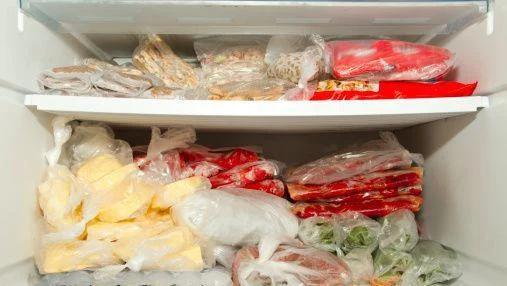
Freezer serves as a critical component in modern household food management, functioning as a preservation tool that utilizes sub-zero temperatures—typically ranging from 0 degrees Celsius to -18 degrees Celsius—to extend the shelf life of perishable items. By slowing the metabolic activity of microorganisms and inhibiting the growth of bacteria and fungi, the freezer allows consumers to store proteins, vegetables, and prepared meals for extended durations. However, the misconception that the freezer acts as a permanent vault for food often leads to the accumulation of degraded, unsafe, or inefficiently stored items. Maintaining an organized and sanitized freezer is not merely an aesthetic choice but a necessary practice for food safety, energy efficiency, and quality preservation.
Professional cleaning experts and food safety authorities emphasize that the efficacy of a freezer is compromised when it is cluttered with items that have surpassed their peak quality or have been improperly handled. A systematic audit of freezer contents is recommended at least every three to six months to prevent the "black hole" effect, where forgotten items lose their nutritional value and sensory appeal.
The Science of Frozen Storage and Food Degradation
The primary mechanism behind freezing is the conversion of water within food into ice crystals, which effectively suspends chemical reactions and microbial proliferation. However, freezing does not stop all degradation processes. Enzymes remain active, and oxidation can continue to occur, particularly if food is exposed to air—a phenomenon commonly known as "freezer burn."

Freezer burn occurs when air reaches the surface of frozen food, causing dehydration and oxidation. While freezer-burned food is generally safe to eat from a microbiological standpoint, the texture becomes leathery, the color changes, and the flavor profile is significantly altered. When food reaches this state, it is often discarded because the quality is too poor to be palatable. Furthermore, the buildup of excessive frost or ice crystals on the interior walls of the appliance or on food packaging is a sign of temperature fluctuations, which can occur due to frequent door opening or an overloaded freezer, further compromising the integrity of the stored items.
Five Categories of Freezer Items Requiring Immediate Disposal
Based on guidelines provided by experts in home maintenance and food safety, including insights from professionals at Dirt Detective Cleaning, the following five categories of items should be identified and removed during a freezer audit.
1. Compromised or Disorganized Packaging
The structural integrity of food packaging is the first line of defense against dehydration and cross-contamination. When original packaging is torn, improperly sealed, or has allowed contents to spill—such as loose frozen peas or berries scattered at the bottom of the freezer—it poses a hygiene risk. Spilled food particles can act as a substrate for bacteria, and if they thaw and refreeze, they may contaminate other nearby items. If the food remains salvageable, it should be immediately transferred to airtight, freezer-safe containers or vacuum-sealed bags to prevent further degradation.
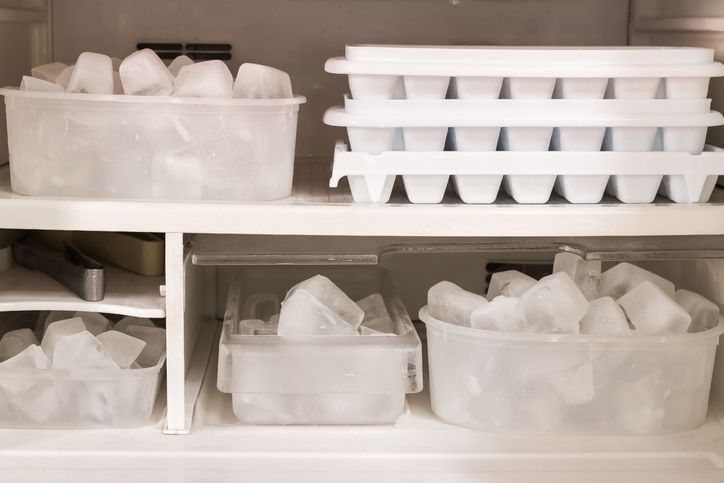
2. Expired or Odor-Absorbing Ice Cubes
There is a prevailing myth that ice cubes are immutable and immune to expiration. In reality, ice is highly porous and acts as a sponge for ambient odors within the freezer. If stored in an open tray or for an extended period, ice cubes will absorb volatile organic compounds released by other foods, such as aromatics from onions, fish, or garlic. Furthermore, ice surfaces can accumulate microscopic debris or bacteria present in the freezer environment. Regularly discarding old ice and cleaning the ice trays or bins is essential for maintaining the quality of beverages. Using sealed storage containers or silicone covers can mitigate the rate of odor absorption and contamination.
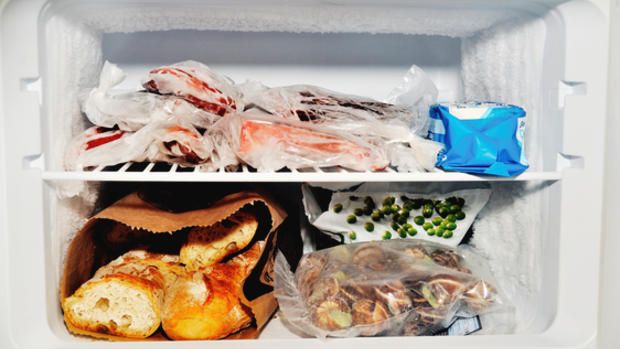
3. Items Exceeding Expiration or Quality Thresholds
While many foods are safe to eat indefinitely if kept at -18 degrees Celsius, their quality—measured by texture, flavor, and nutritional density—declines over time. Items that have passed their recommended storage duration should be discarded. A key indicator of long-term storage is the presence of excessive ice crystals inside the package, which is a definitive sign of freezer burn. If a product has turned into a solid, unidentifiable block of ice, it is an indicator that the item has been subjected to significant temperature fluctuations or prolonged storage and should no longer be consumed.
4. The "Sliver" Problem: Near-Empty Containers
Clutter is the enemy of efficient freezing. When a freezer is packed with near-empty containers—a single spoonful of ice cream or a handful of vegetables in a large bag—it restricts airflow. Proper air circulation is necessary to maintain a consistent temperature throughout the unit. If an item is almost empty, it should be either consolidated with similar items, used immediately, or disposed of to regain storage space. Eliminating these "ghost" items not only improves the appliance’s operational efficiency but also makes it easier for the user to identify what is actually available.
5. Unidentified "Mystery" Items
The "mystery item" is a common occurrence in households that lack a rigorous labeling system. If an item has been in the freezer long enough that its identity, date of storage, or source is forgotten, it should be discarded. Consuming unidentified frozen food poses potential health risks, as the history of the product—including whether it was thawed and refrozen—is unknown. Professional cleaners often cite instances where forgotten items are discovered only after they have reached a state of total dehydration, rendering them useless for cooking.
Broader Implications for Household Food Management
The practice of regular freezer maintenance aligns with broader sustainability and food waste reduction goals. According to data from the United Nations Environment Programme (UNEP), household food waste is a significant contributor to global greenhouse gas emissions. By managing the freezer effectively, consumers can reduce the amount of food that ends up in landfills.
When a freezer is well-organized, the "First In, First Out" (FIFO) principle becomes easier to apply. This method ensures that older items are utilized before newer ones, maximizing the value of the food purchased. Furthermore, keeping the freezer organized reduces the time the door remains open while searching for specific ingredients. Every time the door is opened, warm air enters the freezer, forcing the compressor to work harder to return to the target temperature, which increases energy consumption and contributes to the formation of frost.
Official Recommendations for Optimal Storage
To ensure the longevity and safety of frozen goods, experts recommend the following best practices:
- Labeling and Dating: Every item placed in the freezer should be marked with a permanent marker indicating the date of freezing.
- Airtight Sealing: Use heavy-duty freezer bags or rigid containers designed to withstand low temperatures. Remove as much air as possible before sealing to prevent freezer burn.
- Temperature Monitoring: Ensure the freezer is maintained at a constant -18 degrees Celsius. Using an external thermometer can help verify that the thermostat is accurate.
- Strategic Loading: Avoid overstuffing the unit. A freezer that is about 75% to 85% full operates most efficiently, as the frozen items act as "cold batteries," helping to maintain the temperature during power outages or when new, room-temperature items are added.
- Regular De-icing: If the freezer is a manual-defrost model, remove frost buildup regularly. Thick layers of ice act as an insulator, reducing the efficiency of the cooling coils and potentially causing the appliance to cycle more frequently.
By implementing these protocols, households can transform their freezers from cluttered storage units into highly efficient tools for food preservation. The act of discarding items—while sometimes perceived as wasteful—is a proactive step toward better inventory management. Ultimately, a clean, organized, and well-maintained freezer ensures that the food stored within is not only safe to consume but also retains the quality and nutritional value intended at the time of purchase.